You know your skin. You know when a breakout feels different. If you are pregnant or trying to conceive, that sudden surge of blemishes might make you wonder: is this just stress acne, or is something hormonal happening?
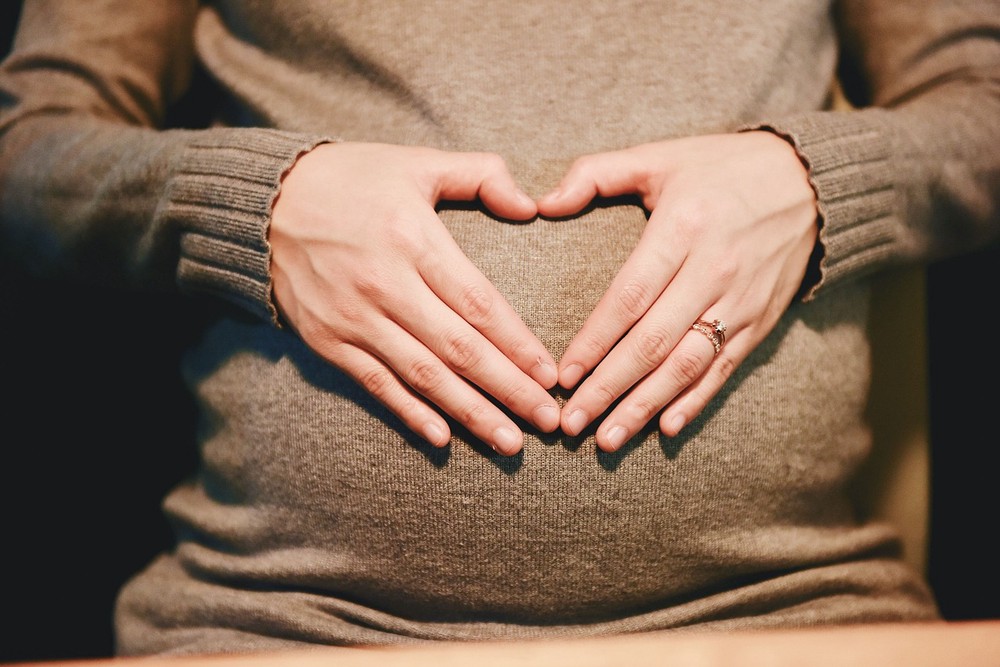
Pregnancy acne is not a myth. It is a real, physiologically distinct form of acne that occurs because of specific hormonal shifts unique to gestation. While it looks similar to standard hormonal acne, there are telltale signs that set it apart. Here are the six distinguishing symptoms that help you tell pregnancy acne apart from other breakouts.
1. The onset timeline aligns with early pregnancy
The most telling sign of pregnancy acne is when it starts. For many women, breakouts begin within the first trimester, often before they even know they are pregnant. Rising levels of human chorionic gonadotropin (hCG), progesterone, and estrogen stimulate the sebaceous glands to produce more oil.
Standard hormonal acne, tied to the menstrual cycle, tends to flare predictably around ovulation or just before a period. Pregnancy acne does not follow that schedule. If you are experiencing a sudden, persistent breakout that does not improve as your cycle would normally dictate, pregnancy is a strong possibility.
First-trimester acne is one of the earliest visible signs of pregnancy, sometimes appearing before nausea or fatigue.
2. The breakout pattern changes location
Where you get pimples matters. Menstrual acne typically clusters on the chin, jawline, and lower cheeks—the classic U-shaped pattern. Pregnancy acne, however, often spreads beyond these zones.
- Cheeks and temples: Oily T-zone areas that were previously clear may become inflamed.
- Back and chest: Truncal acne is more common during pregnancy due to systemic oil production.
- Neck and shoulders: Some women experience breakouts in areas that rarely broke out before.
If your acne pattern has migrated to new territory, it is worth considering pregnancy as the root cause.
3. Lesions are often inflammatory and deep
Pregnancy acne tends to present as inflamed, tender nodules and papules rather than superficial blackheads and whiteheads. The lesions often feel deeper and more painful to the touch. This is because hormonal surges in pregnancy stimulate not just oil production but also an inflammatory response in the follicles.
Typical teenage or stress-related acne may include many comedones (clogged pores), but pregnancy acne is more likely to produce angry red bumps that take longer to heal and often leave post-inflammatory hyperpigmentation, especially in women with darker skin tones.
4. You cannot connect it to a product or diet change
One way to differentiate pregnancy acne from other forms is the absence of a trigger. You did not switch moisturizers. You are not eating more dairy or sugar. You are not under unusual workplace stress. Yet the breakouts persist.
Pregnancy acne is endogenous—driven entirely by internal chemistry. If you have ruled out the typical external culprits (pore-clogging cosmetics, diet, stress, medication changes) and the acne continues to worsen, the hormonal shift of pregnancy becomes a likely explanation.
5. The acne may wax and wane in unpredictable cycles
Hormone levels during pregnancy are not static. They rise dramatically in the first trimester, stabilize somewhat in the second, and can shift again in the third. As a result, pregnancy acne does not follow a neat 28-day pattern. It may flare intensely for a few weeks, seem to calm down, then return during a different trimester.
Menstrual acne, in contrast, follows a fairly predictable rhythm. If your acne seems erratic and unrelated to your cycle, it is worth paying attention to the irregularity as a clue.
6. It resists your usual treatments
This symptom is both diagnostic and frustrating. Your go-to acne treatment—whether a salicylic acid toner, a benzoyl peroxide spot treatment, or a retinoid—may either stop working or become unsafe to use during pregnancy.
Many women notice that their pre-pregnancy skincare routine suddenly feels ineffective. This is because the underlying hormonal driver is so strong that topical treatments can only do so much. Also, pregnancy limits the ingredients you can safely use. Retinoids, high-dose salicylic acid, and certain oral medications are off-limits. If your skin is rebelling and your usual arsenal is not helping, pregnancy may be the reason.
What to do if you suspect pregnancy acne
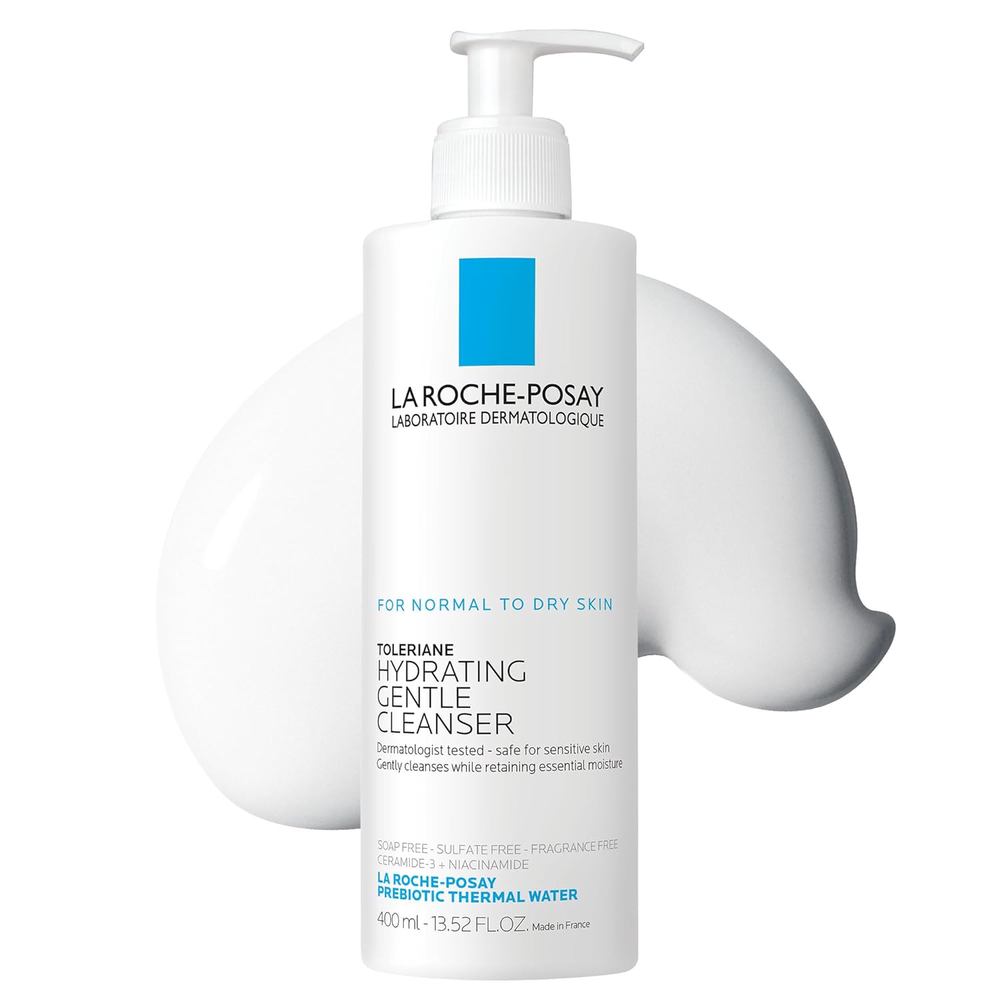
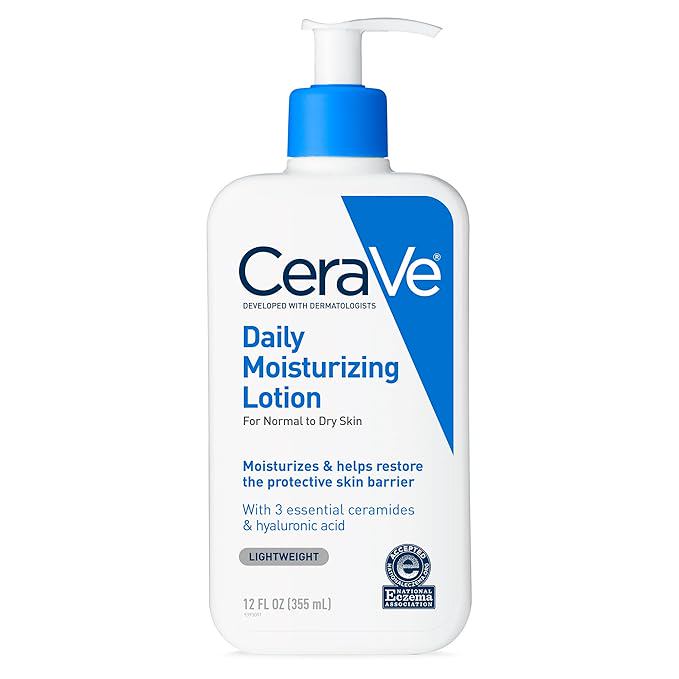
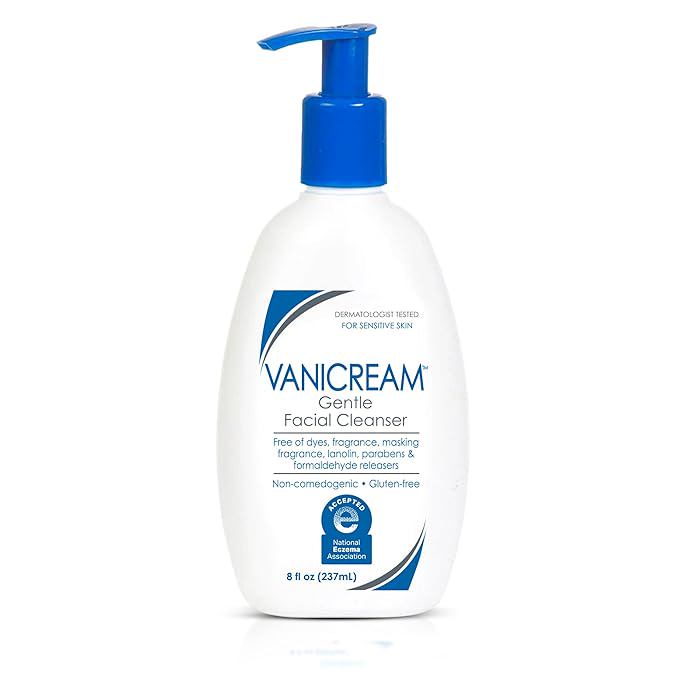
First, confirm pregnancy with a test if you have not already. Once pregnancy is confirmed, do not reach for harsh acne treatments. Focus on gentle, pregnancy-safe skincare: a mild cleanser, a non-comedogenic moisturizer, and physical sun protection to minimize dark spots.
Consult your obstetrician or a board-certified dermatologist before using any acne product during pregnancy. They can recommend safe options, such as azelaic acid, topical erythromycin, or low-concentration glycolic acid, depending on your specific situation.