
Managing a child's blood sugar can feel like navigating a minefield, especially when it comes to snacks. Even foods that seem innocent or are marketed as 'healthy' can cause a rapid, unexpected spike in glucose levels. For parents of children with diabetes, understanding which snack foods are the most common culprits is a practical step toward better daily management.
It is important to remember that no single food is completely off-limits. The goal here is awareness, not fear. By recognizing the snack foods that tend to cause sharp increases in blood sugar, you can make informed choices, adjust portion sizes, or pair them with protein and fat to slow down glucose absorption. Below are six common snack foods to watch closely.
1. Juice Boxes and Fruit Drinks
Even 100% fruit juice is a concentrated source of fast-acting carbohydrates. A standard 6-ounce juice box can contain 15 to 20 grams of carbohydrates, almost entirely from sugar in the form of fructose and glucose. Because there is no fiber, protein, or fat to slow digestion, the sugar enters the bloodstream almost immediately. This makes juice boxes one of the fastest ways to spike blood sugar in a child.
What to try instead: Offer whole fruit instead of juice. A small apple or a handful of berries provides fiber that helps blunt the glucose rise. If your child craves a drinkable option, try diluting a small amount of juice with water or seltzer, or serve plain milk or unsweetened almond milk.
2. White Crackers and Crispy Rice Treats
Snacks made from refined white flour—like saltine crackers, butter crackers, and crispy rice cereal treats—are essentially pre-digested starches. They have a high glycemic index, meaning the body converts them into glucose very quickly. A single serving of plain crackers can raise blood sugar as much as a sugary dessert, especially when eaten alone.
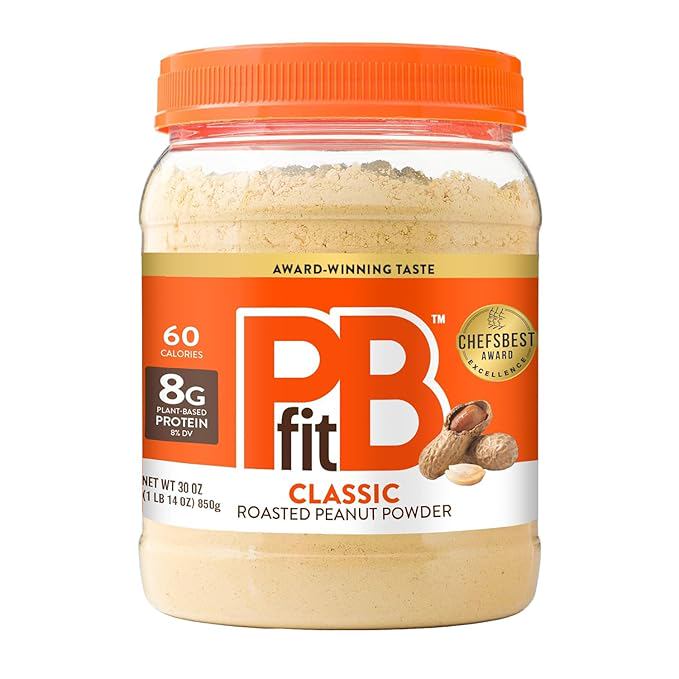
What to try instead: Swap refined crackers for whole-grain versions or crunchy vegetables like cucumber rounds and bell pepper strips. If you do serve crackers, pair them with a protein source like cheese, peanut butter, or hummus. This combination slows down the digestion of the carbohydrates.
3. Flavored Yogurt and Yogurt Tubes
Yogurt is often thought of as a healthy snack, and plain yogurt is indeed a good source of protein and calcium. However, many yogurts marketed to children contain added sugars in the form of fruit syrups, honey, or cane sugar. A single 4-ounce tube of fruit-flavored yogurt can contain 10 to 15 grams of added sugar, turning what could be a balanced snack into a blood sugar challenge.
What to try instead: Choose plain, full-fat or low-fat Greek yogurt and add fresh fruit for sweetness. A sprinkle of cinnamon or a small dash of vanilla extract can also add flavor without extra sugar. If your child is used to sweet yogurt, transition gradually by mixing plain yogurt with their usual brand.
4. Granola Bars and Breakfast Bars
Granola bars carry a 'health halo' that often doesn't match their nutrition label. Many commercial granola bars list oats or whole grains as the first ingredient, but the second or third ingredient is often brown rice syrup, cane syrup, or honey. These added sugars, combined with refined grains, create a snack that can be as high in sugar as a candy bar. The stickiness of these bars also means sugar clings to teeth, compounding dental concerns for children with diabetes.
What to try instead: Look for bars with fewer than 8 grams of total sugar and at least 3 grams of fiber. Even better, make a DIY trail mix with unsweetened coconut, a few dark chocolate chips, nuts, and seeds. This gives you control over the sugar content and provides healthy fats that stabilize blood sugar.
5. Dried Fruit and Fruit Leathers
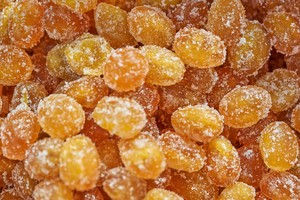
Dried fruit seems like a convenient and healthy snack, but the drying process concentrates natural sugars. A small box of raisins (about 1.5 ounces) contains roughly 25 grams of sugar, comparable to a glazed donut. Fruit leathers, which are often made from fruit puree and sugar concentrate, are similarly dense in sugar and can be easy for a child to overeat.
What to try instead: If your child enjoys dried fruit, measure out a single serving (about one tablespoon of raisins or a single fruit leather strip) and pair it with a handful of almonds or a cheese stick. The protein and fat from the pairing will slow down the sugar absorption significantly.
6. Sweetened Cereal and Instant Oatmeal
Cold cereals with frosting or marshmallows are obvious sugar bombs, but even seemingly mild options like honey-nut or frosted flakes are high on the glycemic index. Instant oatmeal packets are another hidden source of trouble. The flavored varieties are pre-sweetened, and the oats themselves have been processed into fine flakes, causing them to digest quickly and raise blood sugar rapidly.
What to try instead: Choose unsweetened, whole-rolled oats or steel-cut oats. Prepare them with milk instead of water for added protein and fat, and sweeten with a small amount of fresh fruit or a sprinkle of cinnamon. For cold cereal, look for options with at least 3 grams of fiber and less than 6 grams of sugar per serving, and serve it in a small bowl with high-protein milk.
A note on balance: The goal is not to eliminate these foods entirely. Rather, it is about building awareness and making strategic swaps or pairings. A small juice box after exercise may be entirely appropriate to treat low blood sugar, for example. Work with your child's healthcare team to understand how different snacks affect their individual glucose response, and remember that consistency and routine are your strongest tools.