Your skin tells a story, and as we get older, that story often includes a little less bounce. Skin elasticity—the ability of your skin to snap back after being stretched—naturally declines with age due to a drop in collagen and elastin production. While no single food can stop the clock, certain nutrients play a direct role in supporting the structural proteins your skin relies on. Enter peptides: short chains of amino acids that act as building blocks for collagen.
Peptides are essentially fragments of protein that your body can absorb and use efficiently. When you eat foods rich in these compounds, you supply your system with the raw materials it needs to maintain firm, resilient skin. The following six foods are frequently recommended by dietitians for their peptide content and overall skin-supporting benefits.
Bone broth: a direct source of collagen peptides
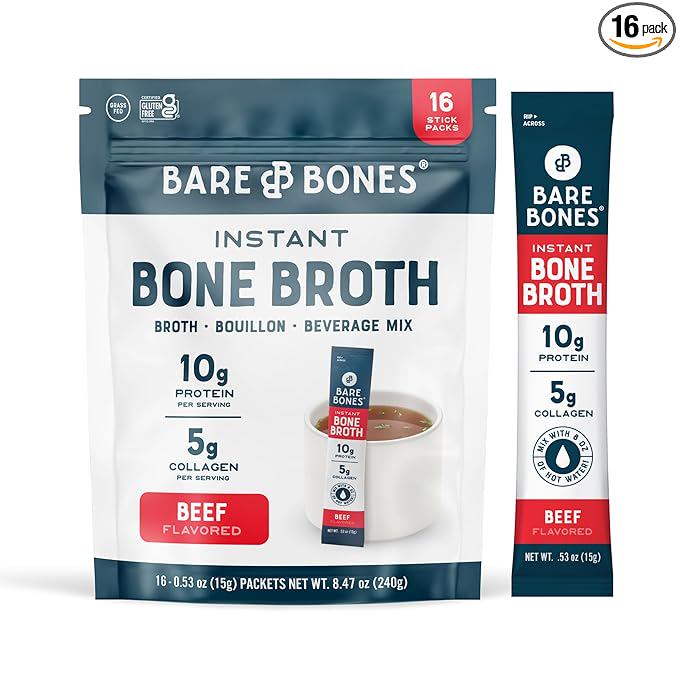
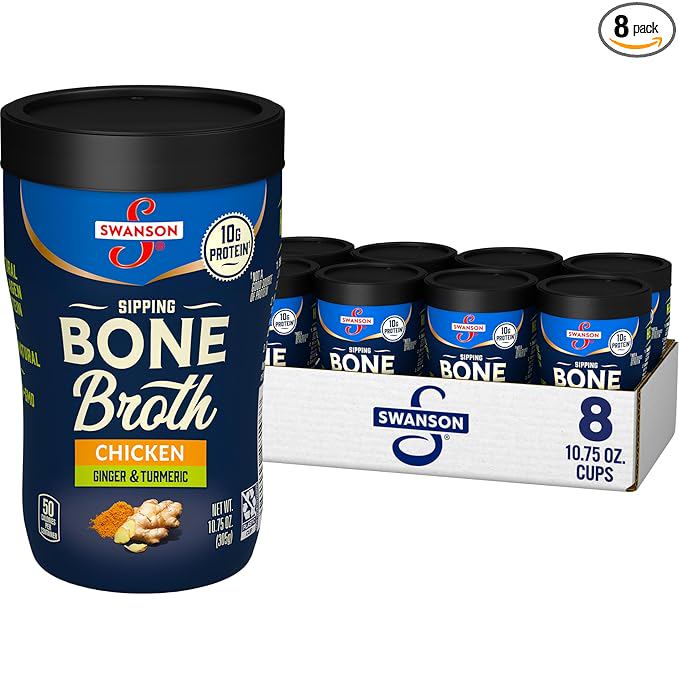
Bone broth has become a staple in wellness circles for good reason. When animal bones and connective tissue are simmered for many hours, collagen is broken down into gelatin and then into bioavailable peptides. This makes bone broth one of the most direct food sources of the exact amino acids—glycine, proline, and hydroxyproline—that your skin uses to manufacture its own collagen. A warm cup of bone broth provides these peptides in a form your body can put to work immediately.
Fish and shellfish: marine collagen boosters
Fish, especially varieties like salmon, mackerel, and sardines, are rich in collagen peptides, but the skin-supporting payoff doesn't stop there. Marine collagen is known for its high bioavailability, meaning your body can absorb it readily. Additionally, the omega-3 fatty acids found in fatty fish help reduce inflammation, which can degrade collagen over time. Shellfish like shrimp and crab also carry significant amounts of glycine and proline, making them a smart addition to any skin-focused diet.
Eggs: the underrated protein powerhouses
Eggs are often celebrated for their protein content, but their specific contribution to skin elasticity is worth highlighting. The egg white contains proline, one of the amino acids essential for collagen synthesis. Meanwhile, the yolk is packed with vitamin D and healthy fats that support overall skin health. Including whole eggs in your meals provides a balanced amino acid profile that helps your body build and maintain the structural framework of your skin.
Eggs are one of the few foods that contain the full spectrum of amino acids needed for collagen production—and they're versatile enough to eat every day.
Chicken and turkey: abundant in glycine
Poultry, particularly chicken and turkey, is a concentrated source of glycine. This amino acid is a major component of collagen and is crucial for maintaining skin elasticity. While any cut of poultry will provide glycine, cuts that include connective tissue—like thighs and drumsticks—offer even more. Dietitians often point to chicken as one of the most accessible peptide-rich foods, especially when you consider that a simple roasted chicken provides a steady supply of the collagen-building blocks your skin craves.
Leafy greens: the unexpected helpers
While greens like spinach, kale, and Swiss chard don't contain peptides themselves, they play an essential supporting role. These vegetables are rich in chlorophyll, which some research suggests may increase the precursor to collagen in the skin. They also provide vitamin C, a cofactor required for the body to actually assemble collagen from the amino acids you consume. Without adequate vitamin C, all the peptide-rich foods in the world won't translate into stronger skin elasticity. Eating leafy greens alongside your protein sources ensures your body can utilize the peptides efficiently.
Berries: the protective partner
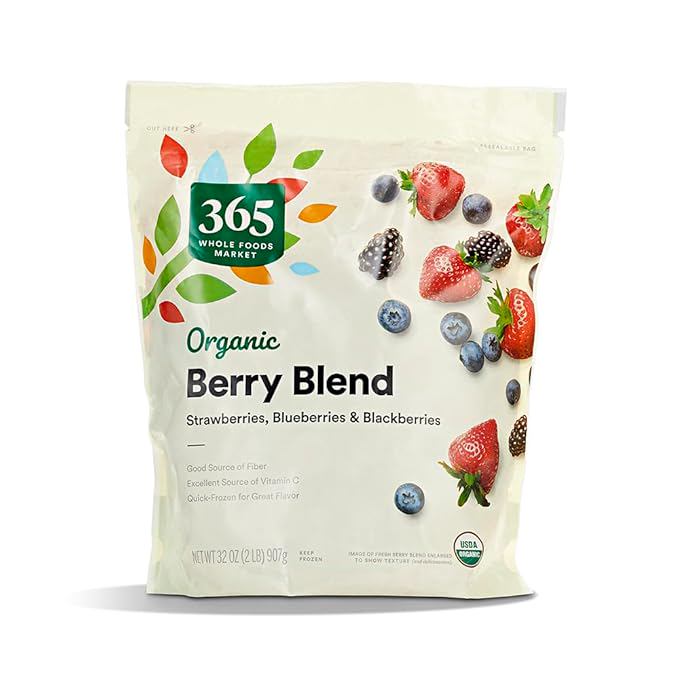
Berries such as blueberries, strawberries, and raspberries are not peptide sources, but they are packed with antioxidants, particularly vitamin C and ellagic acid. These compounds help protect existing collagen from damage caused by free radicals and UV exposure. When you combine berries with a peptide-rich meal—say, a bowl of yogurt with berries and a side of eggs—you create a synergistic effect: the berries shield your collagen while the peptides supply the materials to repair and rebuild it.
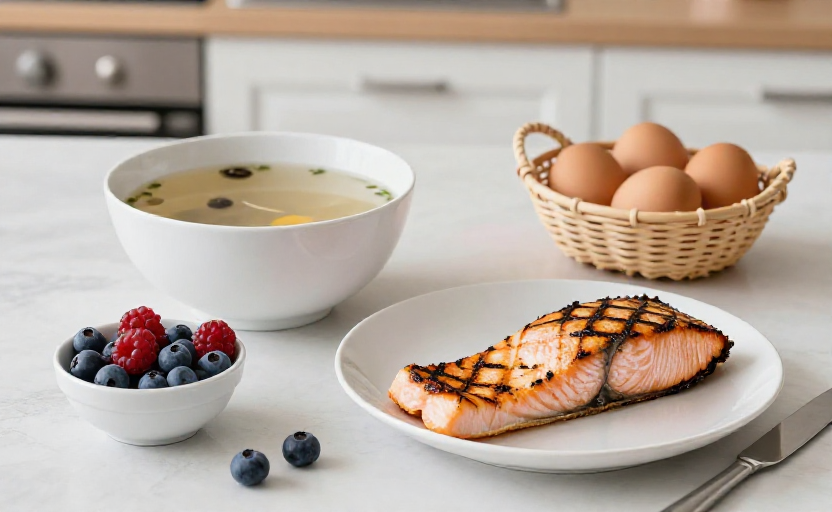
Incorporating these foods into your daily routine doesn't require an overhaul. A bone broth soup for lunch, a piece of grilled fish for dinner, and a handful of berries with breakfast can make a meaningful difference over time. Consistency matters more than perfection. Your skin won't transform overnight, but a diet rich in these peptide-supporting foods will give your body the tools it needs to maintain firmer, more elastic skin as you age.