
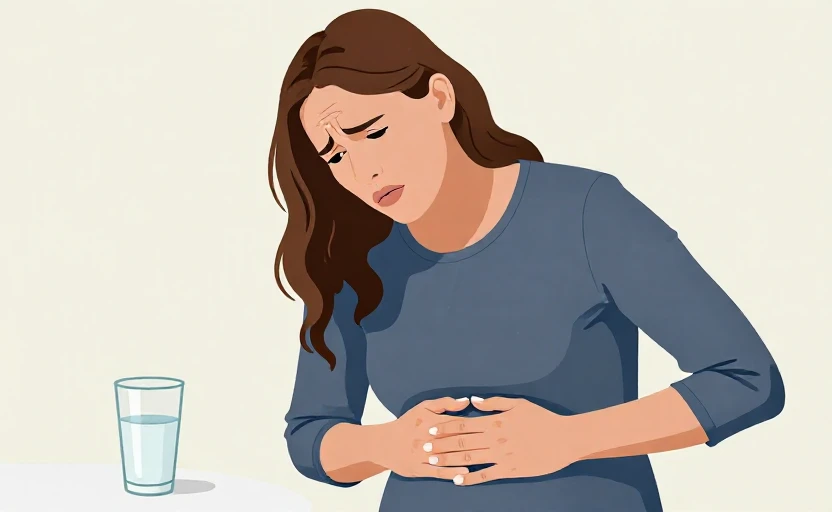
Morning sickness is a hallmark of early pregnancy, a sign of shifting hormones that, while miserable, is often a reassuring indicator of a progressing pregnancy. For most, it’s a manageable, if exhausting, part of the journey. But for some, the line between typical nausea and a condition requiring medical support can blur. Knowing the difference is key to protecting both your health and your baby’s.
Your body is doing extraordinary work, and its signals deserve careful attention. The goal isn’t to worry but to empower you with clear, actionable knowledge. Here are the specific warning signs that your morning sickness has crossed into territory where a doctor’s guidance is essential.
1. You Can’t Keep Any Liquids Down for 24 Hours
Vomiting occasionally is one thing. Being unable to hold down sips of water, clear broth, or an electrolyte drink for a full day is a red flag. Dehydration sets in quickly during pregnancy and can become serious, affecting your blood pressure, kidney function, and your baby’s environment.
If you try sipping fluids and vomit them back up repeatedly over a 24-hour period, it’s time to call.
2. You’re Losing Weight
Some weight fluctuation is normal, but actual weight loss during pregnancy, especially in the first trimester, warrants a discussion with your provider. Losing more than 5% of your pre-pregnancy weight is a clinical indicator of hyperemesis gravidarum, the severe form of morning sickness.
Don’t wait for a specific number on the scale. If your clothes are becoming noticeably looser or you see a consistent downward trend, mention it at your next appointment or call sooner if you’re concerned.
3. Your Urine Is Dark and Scant
This is your body’s billboard for hydration. Pale, straw-colored urine in good volume suggests you’re well-hydrated. Dark yellow or amber urine that’s strong-smelling and only comes in small amounts is a classic sign of dehydration. You may also notice you’re urinating far less frequently than usual.
4. You Feel Dizzy, Faint, or Have a Racing Heart
Dehydration and nutrient depletion directly impact your cardiovascular system. Feeling lightheaded when you stand up, experiencing a persistent dizzy spell, or noticing your heart pounding (palpitations) are signs your body is struggling. These symptoms indicate your blood volume and electrolyte balance may be off, which needs prompt evaluation.
Dizziness is more than just feeling off; it’s a physiological signal.
5. You Have Abdominal or Pelvic Pain
Nausea and vomiting are centered in the stomach. Sharp, persistent, or cramping pain in your abdomen or pelvis is not a typical part of morning sickness. This type of pain could indicate other conditions that need to be ruled out, such as urinary tract infections or other abdominal issues that can be exacerbated by pregnancy.
6. You See Blood in Your Vomit
This can be alarming. Forceful or frequent vomiting can cause tiny tears in the lining of the esophagus, leading to streaks of bright red blood. While sometimes minor, this always requires a doctor’s assessment to determine the cause and severity. It also underscores that the vomiting itself has become physically traumatic.
Trusting your instinct is part of prenatal care. If you feel something is seriously wrong, even if it’s not on this list, reach out to your healthcare team. It’s always better to ask. Treatment for severe nausea can range from dietary strategies and specific vitamins like B6 to safe prescription medications and, in some cases, intravenous fluids. You don’t need to white-knuckle your way through.
Your well-being is the foundation of your baby’s well-being. Addressing severe morning sickness isn’t a sign of weakness; it’s a proactive step in a healthy pregnancy.