If you are navigating menopause, you know that hot flashes and restless nights often travel together. The sudden wave of heat, the drenching sweat, and then the chilled, wide-awake aftermath can leave you exhausted. While lifestyle shifts like layered clothing and a cool bedroom help, many women turn to herbal teas as a gentle, comforting ritual to support the body’s natural temperature regulation and wind down for sleep.
Here is a closer look at six herbal teas backed by tradition and emerging research for their potential to calm hot flashes and improve sleep quality. Remember, these are supportive tools, not medical treatments. What works varies from person to person, so listen to your body.
1. Sage Tea
Sage (Salvia officinalis) has a long history in herbal medicine for reducing perspiration and hot flashes. Some small studies suggest that fresh or dried sage leaf can significantly reduce the frequency and intensity of hot flashes. The mechanism is not fully understood, but it may involve estrogenic or nervous-system effects.
To prepare, steep 1 to 2 teaspoons of dried sage leaves in hot water for 5–10 minutes. The taste is earthy and slightly peppery; a touch of honey or lemon can soften it.
Tip: Start with one cup in the afternoon or evening. Sage is generally safe for short-term use, but avoid medicinal amounts if you have a seizure disorder or are pregnant.
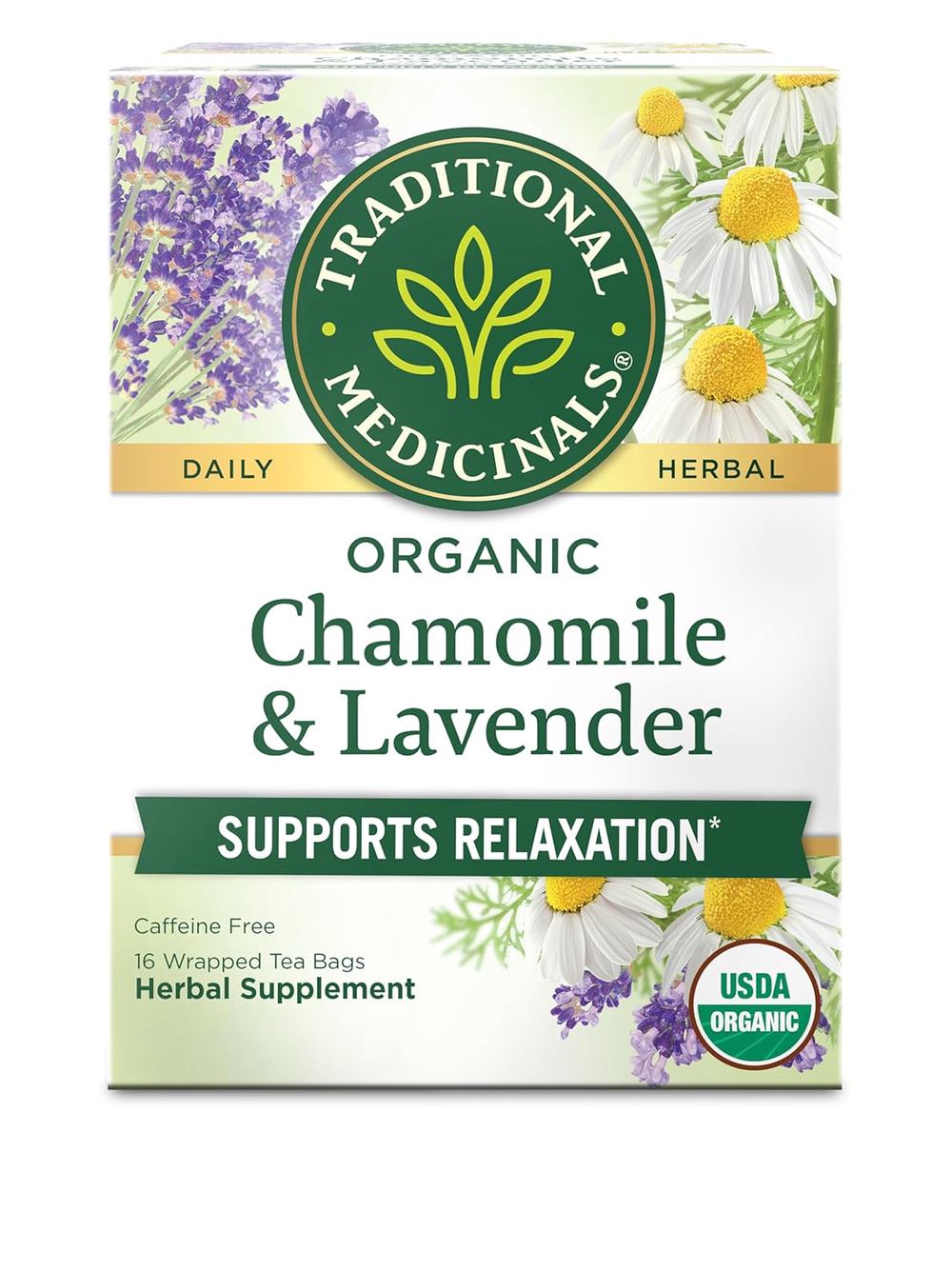
2. Chamomile Tea
Chamomile is perhaps the classic bedtime herbal tea. Its mild sedative properties come from the flavonoid apigenin, which binds to certain receptors in the brain that promote relaxation and drowsiness. While chamomile does not directly treat hot flashes, it can improve sleep quality and help you fall asleep faster after a night sweat episode.
A cup of chamomile tea 30–45 minutes before bed, combined with deep breathing, can become a powerful sleep signal. It is widely available and well-tolerated, though people with ragweed allergies should use caution.
3. Peppermint Tea
Peppermint tea is a cooling herb. While its direct effect on hot flash frequency is minimal, many women find it helps lower body temperature during a hot flash. The menthol in peppermint creates a sensation of coolness on the skin and may soothe nausea that sometimes accompanies intense heat surges.
Sip it iced or warm throughout the day. Avoid it too close to bedtime if you are prone to acid reflux, as peppermint can relax the esophageal sphincter.
4. Red Clover Tea
Red clover (Trifolium pratense) contains isoflavones, a type of plant estrogen (phytoestrogen) that may weakly mimic the body’s own estrogen. As estrogen levels drop during menopause, phytoestrogens may help stabilize temperature regulation. Some clinical trials have shown a modest reduction in hot flash frequency with red clover extracts.
The tea form is milder than supplements. Steep 1–2 teaspoons of dried red clover blossoms for 10 minutes. The taste is mild and slightly sweet, similar to hay or green tea.
Caveat: If you have a history of hormone-sensitive cancers, speak with your doctor before using red clover regularly.
5. Lemon Balm Tea
Lemon balm (Melissa officinalis) belongs to the mint family and is known for its calming, uplifting properties. It is often used to reduce anxiety and promote sleep, which can indirectly help you cope with the disruptive effects of hot flashes. By lowering stress levels, lemon balm may reduce the likelihood of stress-triggered hot flashes.
Combine it with chamomile for a soothing bedtime blend. Use fresh or dried leaves; steep for 5–10 minutes for a bright, lemony flavor without the acidity.
6. Valerian Root Tea
Valerian root is one of the most researched herbal sedatives. Its compounds interact with the GABA neurotransmitter system to reduce anxiety and improve sleep onset and depth. For women whose sleep quality suffers because of night sweats, valerian can help you stay asleep longer after a hot flash wakes you.
Valerian has a strong, earthy odor that some describe as “dirty socks.” Mask it by blending with mint or lemon balm. Use it only at night, not during the day, as it can cause drowsiness.
How to Use Herbal Teas Safely
Herbal teas are generally safe, but they are not free from side effects or interactions. Here are a few guidelines:
- Start low and slow. Try one cup daily and see how you feel.
- Check interactions. Some herbs (valerian, sage, chamomile) can interact with sedatives, blood thinners, or blood pressure medications.
- Cycle them. Rotating between different herbs may prevent tolerance and provides a wider range of benefits.
- Consult a professional. A clinical herbalist or a doctor familiar with botanical medicine can tailor recommendations to your health history.
Beyond the tea itself, the ritual matters. Use the quiet moments of steeping and sipping as a cue to breathe deeply, slow down, and signal your nervous system that it is safe to rest.