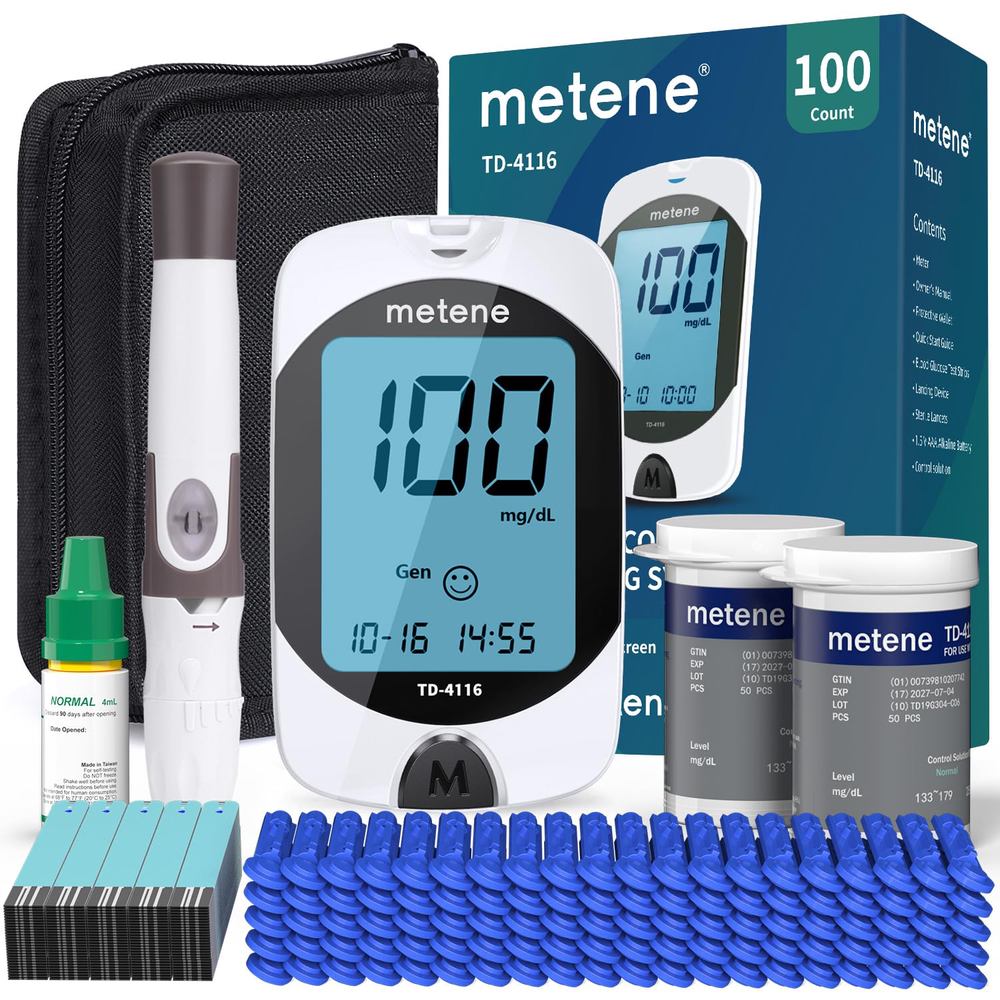
You take your diabetes medication on schedule, watch your portions, and check your blood sugar levels. Yet sometimes, the numbers don't seem to budge. If that sounds familiar, the problem may not be your prescription — it might be a few everyday habits you haven't thought twice about.
Medications for type 2 diabetes, including metformin, sulfonylureas, and SGLT2 inhibitors, are designed to help your body process glucose more effectively. But certain routines can quietly work against them. Here are six habits that can reduce the effectiveness of your diabetes drugs — and what to do instead.
1. Skipping meals after taking medication
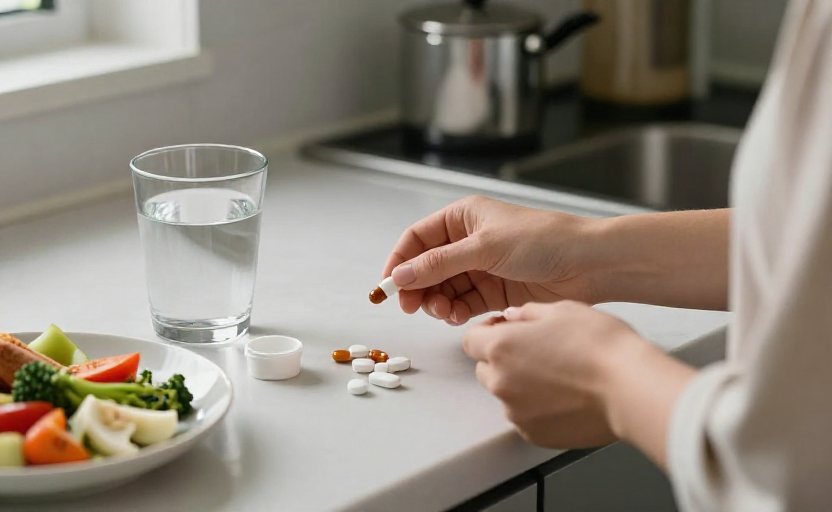
Many diabetes drugs are meant to be taken with food. Metformin, for example, is absorbed best when taken alongside a meal, and sulfonylureas stimulate insulin release that can cause hypoglycemia if there's not enough glucose coming in.
When you take your medication but skip a meal, you may experience a rapid drop in blood sugar — and your body can overcompensate later, sending glucose levels soaring. For some drugs, missing food also impairs absorption, meaning the full dose doesn't get into your system.
Try pairing each dose with a consistent, balanced meal or snack — especially one that includes protein, fiber, and healthy fat.
2. Drinking alcohol while on diabetes medication
Alcohol can interfere with diabetes drugs in several ways. It can stop the liver from releasing stored glucose, which — combined with insulin-stimulating medications — can lead to dangerously low blood sugar hours after drinking. Meanwhile, many alcoholic beverages are loaded with carbohydrates and sugar, which can spike glucose levels and counteract the drug's effect.
Moderate drinking may be fine for some people, but it's worth discussing with your healthcare team. If you do drink, always pair alcohol with food and check your blood sugar more frequently.
3. Taking supplements without checking interactions
Natural supplements like berberine, cinnamon, or chromium can lower blood sugar — but when combined with prescription diabetes drugs, they might push glucose down too far. Conversely, supplements that contain high doses of niacin or certain herbs may increase insulin resistance and blunt the drug's effectiveness.
Even over-the-counter remedies can affect how your body metabolizes medication. Always run supplements by a doctor or pharmacist before adding them to your routine.
4. Stress and poor sleep
Chronic stress sends cortisol levels climbing, which can raise blood sugar and make cells less responsive to insulin. Similarly, when you don't get enough restorative sleep, your body's ability to use glucose effectively takes a hit — and your medication has to work harder to compensate.
This doesn't mean you need to eliminate all stress overnight. Small, consistent efforts — like a short walk, a wind-down routine before bed, or five minutes of deep breathing — can gradually help your medication do its job.
5. Inconsistent timing of doses
Diabetes drugs are designed to maintain stable levels in your bloodstream. Taking them at wildly different times each day — sometimes with meals, sometimes on an empty stomach — can lead to unpredictable absorption and action. This inconsistency may result in periods where the medication isn't working as intended, leaving blood sugar under-treated.
If you have trouble remembering, try pairing your dose with a fixed daily cue, such as brushing your teeth in the morning or sitting down for dinner. Pill organizers and phone alarms also help.
6. Using expired or improperly stored medication
Heat, humidity, and light can degrade diabetes medications — especially insulin and GLP-1 agonists. Expired drugs become less potent, meaning you might not be getting the full dose you expect. If your blood sugar readings are climbing without explanation, check the expiration dates and storage instructions.
Insulin should be kept in the refrigerator until opened, then at room temperature away from direct sunlight. Pills like metformin should be stored in a cool, dry place — not in a hot car or bathroom cabinet.
Your diabetes medication is a tool, not a magic wand. When you take it correctly and align your daily habits with its needs, the numbers on your meter will start to reflect your effort. Small adjustments in timing, storage, and lifestyle can make a real difference in how well your treatment works.