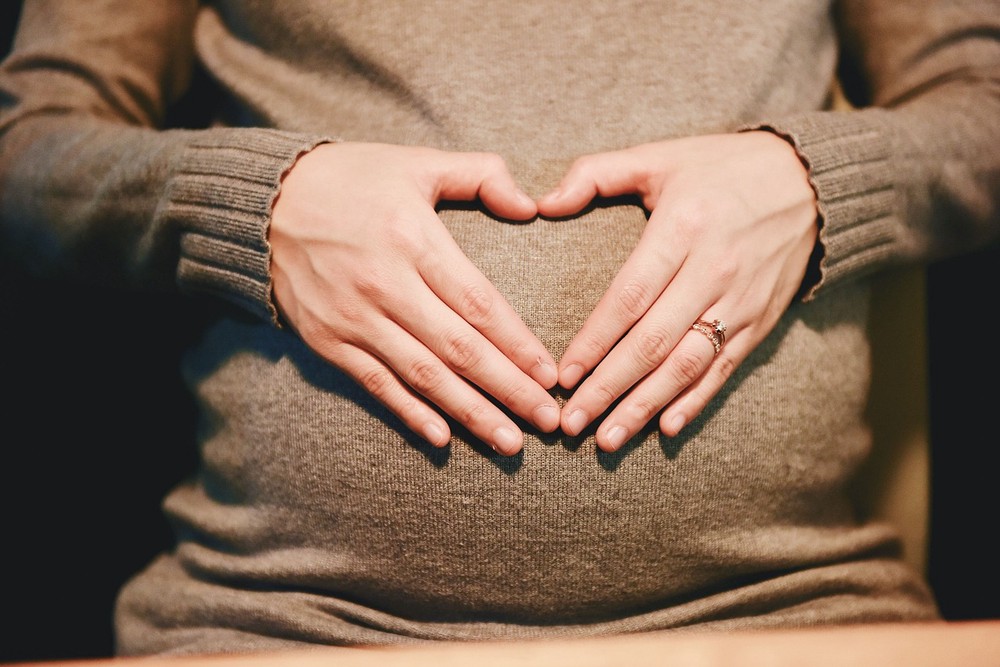
Finding that your ankles have turned into unrecognizable, puffy versions of themselves is a classic third-trimester rite of passage. Edema during pregnancy is incredibly common, driven by hormonal shifts and your body’s natural increase in blood and fluid volume. While you can't (and shouldn't) restrict fluids, what you eat plays a surprising role in how much fluid your tissues hold onto.
Think of your body’s circulation like a gentle river. Certain foods can help it flow smoothly, while others essentially throw salt and debris into the current, making it harder for your system to move fluid out of your lower limbs. This isn’t about strict deprivation—it’s about being smart with your choices. Below are six foods that are worth cutting back on if your ankles are feeling particularly tight.
1. Deli Meats and Processed Sausages
A turkey sandwich or a few slices of salami might seem harmless, but processed meats are often the single largest source of hidden sodium in a standard diet. The issue isn't just the salt shaker at your table. Manufacturers use sodium not only for flavor but as a preservative and to improve texture. Lunch meats, hot dogs, bacon, and sausages can pack a shocking amount of sodium per serving—sometimes more than a thousand milligrams in just a few slices.
For pregnant bodies already working overtime to balance fluid, this excess sodium acts like a sponge, drawing water into your interstitial spaces (the tissue around your cells) and making edema worse. Try swapping deli meats for leftover roasted chicken, sliced hard-boiled eggs, or hummus and vegetable wraps. Your ankles will thank you, and you'll also avoid the listeria risk associated with cold cuts.
2. Restaurant and Fast-Food French Fries
It’s almost impossible to eat a single serving of restaurant french fries without consuming a significant portion of your daily sodium limit—often 400 to 600 milligrams just for a medium order. The problem extends beyond the salt sprinkled on top. The frying process itself changes the structure of the potatoes, and many chains use pre-salted oil or seasoning blends that amplify the sodium load.
Beyond the sodium, fast food fries are low in the potassium and magnesium your body needs to balance fluids. If you are craving a potato, bake a whole russet or sweet potato at home. Rub the skin with a tiny bit of olive oil and a pinch of paprika instead of salt. You will get the carbohydrate satisfaction and the potassium content without the fluid-retentive aftermath.
A quick tip: If you do eat out, ask for your burger or sandwich with absolutely no added salt and skip the fries entirely. Most kitchens will oblige, and it can cut your meal’s sodium by half.
3. Canned Vegetables and Beans (Unless Rinsed)
Canned goods are a convenient kitchen shortcut, but they are also a stealthy source of sodium. A single cup of canned green beans or corn can contain 400 to 700 milligrams of sodium—far more than you would add if you were cooking fresh or frozen versions. Canned beans like chickpeas or black beans are notoriously salty, as the brine acts as a preservative.
The fix here is incredibly simple and almost magical: drain and rinse. Thoroughly rinsing canned beans or vegetables under cold water for about 30 seconds can reduce their sodium content by up to 40 percent. Even better, buy “no salt added” versions of your favorite canned staples. This small swap allows you to keep the convenience without the water retention.
4. Salty Crackers, Pretzels, and Chips
It is nearly impossible to eat just a few saltine crackers or pretzels. These crunchy snacks are designed to be hyper-palatable, and they are usually dusted with coarse salt that sticks to every surface. A single ounce of pretzels (about a small handful) can contain over 350 milligrams of sodium.
For pregnant women battling nausea or needing small, frequent snacks, this category is a trap. The salt triggers thirst—which is fine—but it also signals your kidneys to hold onto water to dilute the sodium. This creates a cycle of snacking and swelling. Choose unsalted rice cakes, plain popcorn (you pop yourself), or raw vegetable sticks with a mild dip instead. If you need the crunch, look for “low sodium” or “lightly salted” versions of your favorite chip.
5. Bottled Salad Dressings and Condiments
It is easy to think of a salad as a health food, but two tablespoons of many bottled dressings can deliver 300 to 500 milligrams of sodium and a load of sugar. Ranch, Caesar, and vinaigrettes are all culprits. Similarly, condiments like soy sauce, teriyaki sauce, ketchup, and even mustard can be sodium bombs. Just one tablespoon of soy sauce packs nearly 900 milligrams of sodium.
The best approach is to make a very simple dressing at home: whisk together extra virgin olive oil, a splash of apple cider vinegar or lemon juice, and dried herbs like oregano or thyme. No salt needed. For sandwiches and bowls, use mashed avocado or plain Greek yogurt as a spread instead of bottled sauces. These swaps keep flavor high and swelling low.
6. Frozen Dinners and Pre-Made Pasta Sauces
Convenience foods are a lifesaver when you are exhausted, but frozen dinners and jarred pasta sauces are engineered for a long shelf life, which generally requires high levels of sodium. A single frozen enchilada or pasta meal can easily exceed 800 to 1,200 milligrams of sodium—nearly your entire day's recommended limit in one sitting. Jarred tomato sauces are often similarly salty to disguise the taste of overcooked tomatoes.
Instead of a frozen entree, try making a big batch of a low-sodium soup or chili on the weekend and freezing it in single portions. For pasta sauce, buy plain crushed tomatoes (check the label—many have zero sodium) and sauté it with fresh garlic, basil, and a tiny drizzle of olive oil. It takes ten minutes and gives you control over the salt content.
Limiting these six categories of food isn't about punishing yourself during an already challenging time. It is about reducing the background noise of dietary sodium so your body can manage its increased blood volume more efficiently. Always pair these swaps with elevation, gentle movement like walking or ankle circles, and plenty of plain water. If your swelling is sudden, painful, or accompanied by a headache or vision changes, call your healthcare provider right away—that can be a sign of preeclampsia, which needs immediate attention.