
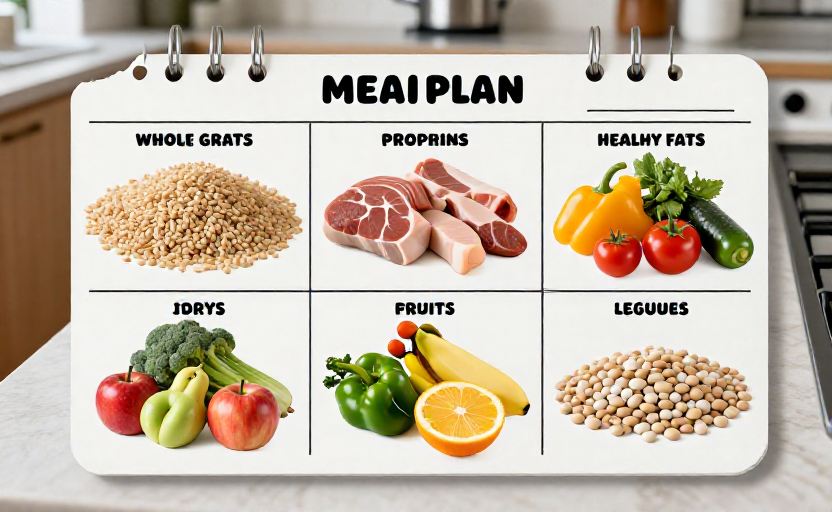
Planning meals for a busy family often feels like a high-stakes puzzle. You’re juggling schedules, preferences, and the constant need to keep everyone fueled and focused, from early-morning school runs to late-evening homework sessions. The goal isn’t just to fill plates, but to create a steady stream of energy that lasts, avoiding the mid-afternoon crashes and evening slumps that can derail the whole household.
The secret lies not in a single superfood, but in building a reliable weekly rotation of nutrient-dense staples. By intentionally including a few key categories of foods in your plan, you can build meals that provide balanced, sustained energy. Here are six foundational foods to weave into your weekly meal planning for a calmer, more energized family rhythm.
Why do some foods create lasting energy while others lead to a crash?
It all comes down to how our bodies process fuel. Foods rich in simple sugars and refined carbohydrates—like white bread, sugary cereals, or pastries—are digested quickly. This causes a rapid spike in blood sugar, followed by a sharp drop as insulin rushes in to manage the surge. That drop is the dreaded energy crash.
Foods that support balanced energy, on the other hand, typically contain a powerful combination of fiber, protein, and healthy fats. This trio works together to slow digestion, leading to a gradual release of glucose into the bloodstream. The result is a steady supply of fuel that keeps mood and focus stable for hours.
1. Whole Grains and Complex Carbohydrates
Think of these as your foundational energy source. Unlike their refined counterparts, whole grains like oats, quinoa, brown rice, barley, and whole-wheat pasta are packed with fiber. This fiber slows the digestion of carbohydrates, preventing those sharp energy spikes and drops.
How to include them weekly: Start the day with oatmeal or a whole-grain cereal. Use quinoa as a base for grain bowls or a side dish. Swap white rice for brown in stir-fries, and choose whole-wheat bread for sandwiches. Planning one or two meals around these staples ensures a steady energy base.
2. Lean Proteins
Protein is essential for repairing tissues and building enzymes, but it’s also a champion for satiety and energy balance. It takes longer to digest than carbs, helping you feel full and focused longer. Sources like skinless poultry, eggs, legumes (beans, lentils), tofu, and fish are excellent choices.
How to include them weekly: Incorporate a lean protein into every main meal. A pot of lentil soup, baked chicken breasts for salads and wraps, a tofu scramble, or a fish taco night are all easy to plan. Hard-boiled eggs make a perfect grab-and-go snack or salad topping.
Tip: Batch-cooking a protein like shredded chicken or a pot of beans on Sunday simplifies assembling balanced meals all week.
3. Leafy Greens and Colorful Vegetables
Vegetables, especially dark leafy greens like spinach, kale, and Swiss chard, are powerhouses of vitamins, minerals, and antioxidants. They provide nutrients like iron and B vitamins that are directly involved in energy production at a cellular level. Their high fiber and water content also aids digestion and hydration.
How to include them weekly: Aim to fill half your family’s plate with vegetables at lunch and dinner. Add spinach to smoothies, pack carrot and bell pepper sticks with lunch, roast a big tray of broccoli and cauliflower for sides, and create hearty salads with a mix of greens. Planning a "rainbow" of colors ensures a wide range of nutrients.
4. Healthy Fats
Fats are a concentrated energy source and are crucial for absorbing fat-soluble vitamins (A, D, E, K). Monounsaturated and polyunsaturated fats—found in avocados, nuts, seeds, and olive oil—support heart health and help provide long-lasting energy.
How to include them weekly: Use olive oil for cooking and dressings. Add avocado slices to sandwiches and salads. Keep a jar of mixed nuts for snacks, and sprinkle seeds like chia, flax, or pumpkin over yogurt or oatmeal. Planning for these fats means your meals will be more satisfying and energizing.
5. Low-Sugar Fruits
Fruits like berries, apples, pears, and citrus offer natural sweetness along with fiber, vitamins, and antioxidants. The fiber moderates their natural sugars, making them a better choice for sustained energy than fruit juice or sugary snacks.
How to include them weekly: Add berries to breakfast, pack whole fruits for snacks, and use apple slices with nut butter as an afternoon pick-me-up. A fruit salad can be a refreshing dessert or side. Planning for fruit as a go-to snack helps curb cravings for less nutritious options.
6. Legumes and Pulses
This category deserves its own spotlight. Beans, lentils, chickpeas, and peas are unique because they offer a triple threat: they’re an excellent source of plant-based protein, high in fiber, and rich in complex carbohydrates. This makes them one of the most effective foods for promoting stable blood sugar and prolonged energy.
How to include them weekly: Plan for a meatless meal built around legumes, like black bean tacos, lentil shepherd’s pie, or chickpea curry. Add beans to soups, salads, and grain bowls. Hummus makes a great dip for vegetables. Including them once or twice a week boosts fiber intake and diversifies your protein sources.
Remember, the goal of meal planning isn’t perfection—it’s progress. Start by picking one or two of these categories to focus on next week. Maybe you’ll swap your usual side for a whole grain or add a new legume recipe to the rotation. Small, consistent shifts toward including these energy-balancing foods can make a tangible difference in how your family feels day to day, creating a foundation of wellness that fuels everything else.