The luteal phase—the stretch between ovulation and your next period—can feel like a slow burn. Energy dips, cravings spike, and your body is working overtime on hormone production. What you eat during this window matters. The right foods help steady your blood sugar, support progesterone, and keep your mood even. Here are six foods that can help you feel more stable, less reactive, and genuinely energized during the luteal phase.
Dark leafy greens
Spinach, kale, Swiss chard, and collard greens are rich in magnesium and iron—two minerals your body needs more of as your period approaches. Magnesium helps with muscle relaxation and can reduce cramping, while iron supports energy production, especially if your flow tends to be heavy. Add a handful to smoothies, sauté them with garlic, or toss them into soups. Even one generous serving a day can help smooth out that midday slump.
Fatty fish
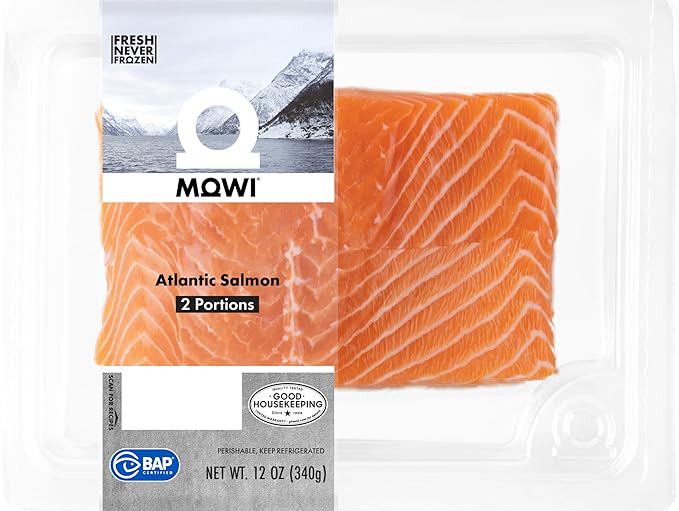
Salmon, mackerel, sardines, and trout deliver omega-3 fatty acids, which have anti-inflammatory effects. During the luteal phase, your body produces more prostaglandins—compounds that drive inflammation and pain. Omega-3s help tamp down that response. They also support mood regulation by influencing serotonin and dopamine pathways. Aim for two servings of fatty fish per week. If you don't eat fish, consider a high-quality algae-based omega-3 supplement.
Aim for two servings of fatty fish per week. If you don't eat fish, consider a high-quality algae-based omega-3 supplement.
Sweet potatoes
Complex carbohydrates are your friend during the luteal phase. Your body's demand for energy increases slightly, and your insulin sensitivity can shift, making steady blood sugar a priority. Sweet potatoes deliver fiber, vitamin B6, and potassium. The B6 is especially helpful—it aids in progesterone production and may ease PMS symptoms like bloating, breast tenderness, and irritability. Roast them whole, bake into fries, or mash them with a little olive oil and sea salt.
Pumpkin seeds
Pumpkin seeds are a dense source of zinc, magnesium, and healthy fats. Zinc supports progesterone synthesis, and many women have lower zinc levels during the luteal phase. The magnesium helps regulate cortisol, keeping stress responses in check. A small handful (about a quarter cup) makes an easy snack. You can also sprinkle them over salads, oatmeal, or yogurt for a subtle crunch and a steadying effect on your energy.
Berries
Blueberries, strawberries, raspberries, and blackberries are low-glycemic, high-fiber fruits that don't spike blood sugar the way processed sweets do. Their antioxidants—especially anthocyanins and vitamin C—help combat oxidative stress, which can ramp up during hormonal shifts. For stable energy, pair berries with a source of protein or fat, such as Greek yogurt, almond butter, or a handful of walnuts. That combination slows digestion and keeps glucose levels from crashing an hour later.
Oats
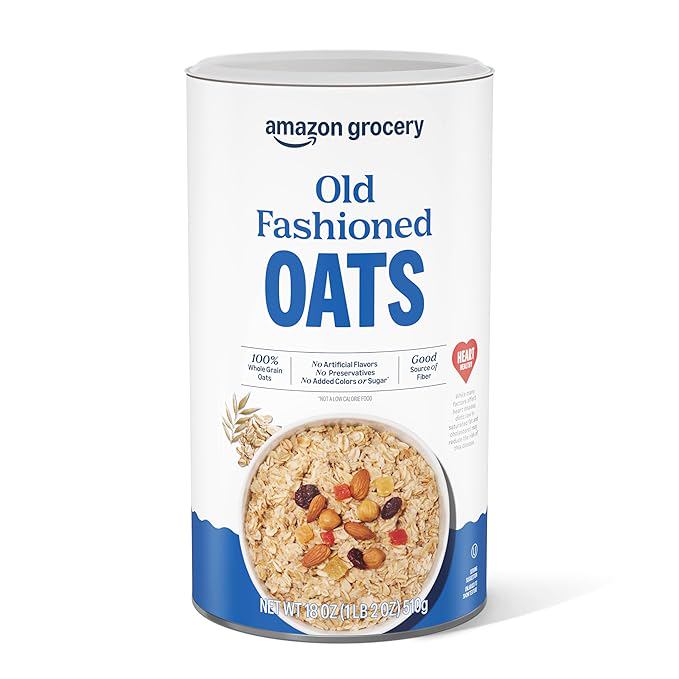
Steel-cut or rolled oats provide soluble fiber that supports gut health and steady energy release. The luteal phase can slow digestion, leading to constipation and bloating. Oats help keep things moving. They also contain B vitamins and iron. A warm bowl of oatmeal with cinnamon (which helps stabilize blood sugar) topped with berries and seeds makes a balanced breakfast or afternoon snack that won't leave you reaching for a second coffee.
A note on timing: during the luteal phase, your basal metabolic rate may increase slightly, so small, frequent meals with protein, fiber, and healthy fat often work better than three large ones. Listen to your body—it usually knows what it needs. And if you're managing a condition like PCOS, endometriosis, or thyroid disorder, these foods can still be helpful, but personalized guidance from a doctor or dietitian is always the best next step.