
That familiar pre-period breakout can feel like an unwelcome guest who arrives early and overstays. For many women, the days leading up to and during menstruation bring a surge in acne, redness, and sensitivity—often right on the chin, jawline, and cheeks. The culprit is largely hormonal: estrogen and progesterone dip while androgens like testosterone remain relatively higher, causing the sebaceous glands to kick into overdrive and produce more oil.
But what you put on your plate can help calm that inflammatory cascade from the inside out. Here are six foods, backed by nutrition science, that can help manage period-related breakouts and support clearer, calmer skin—without a prescription or elaborate skin-care routine.
1. Oily Fish: Omega-3s as a Skin Anti-Inflammatory
Fatty fish like salmon, mackerel, sardines, and anchovies are among the richest natural sources of EPA and DHA, the two long-chain omega-3 fatty acids that play a direct role in reducing systemic inflammation. Research indicates that a higher intake of omega-3s can help lower levels of insulin-like growth factor 1 (IGF-1) and reduce the production of inflammatory compounds that trigger acne breakouts.
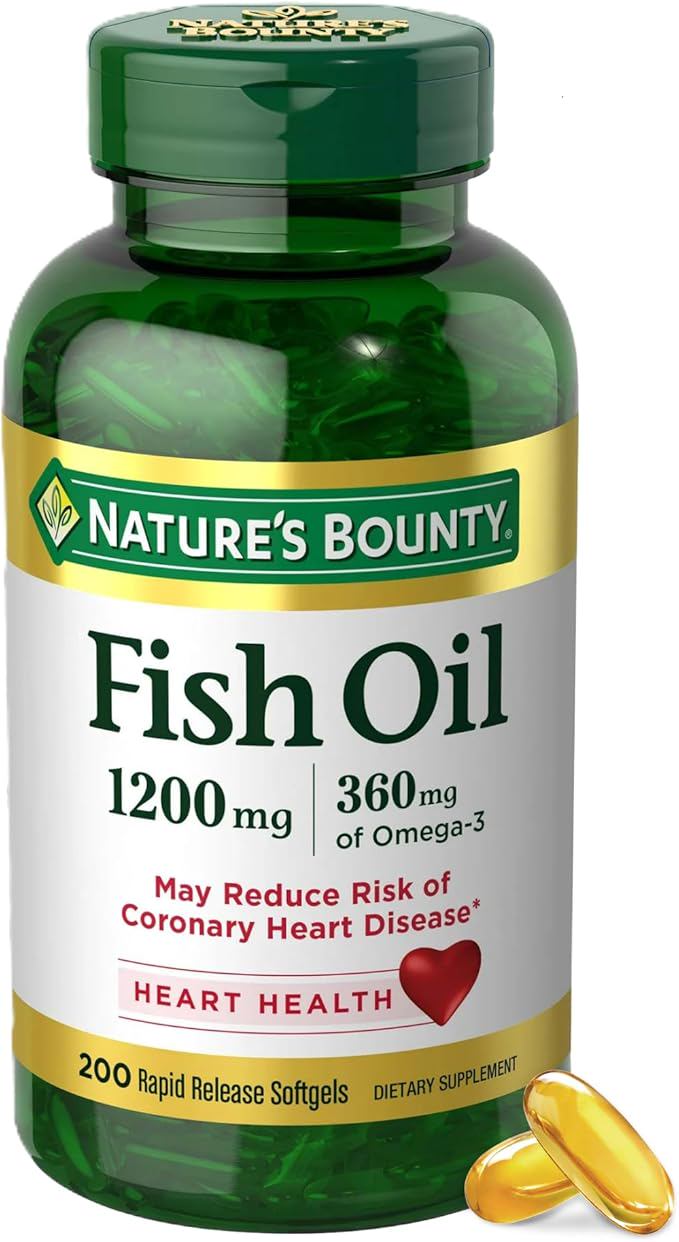
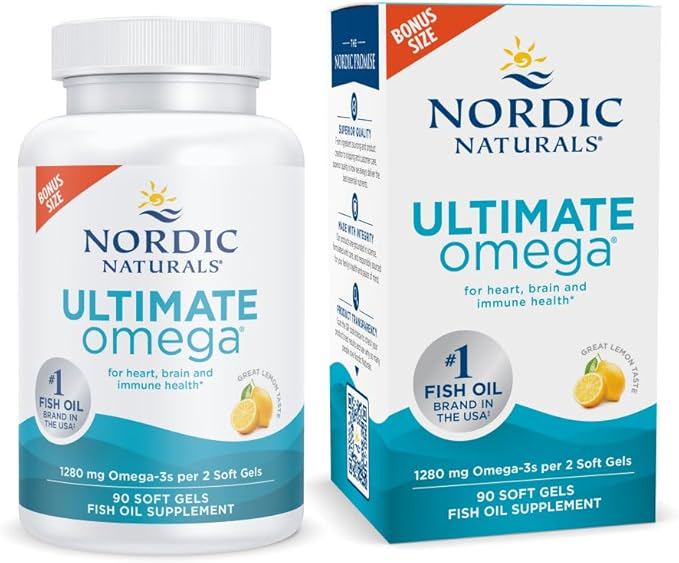
During your period, when prostaglandins (hormone-like substances that cause cramps and inflammation) are surging, omega-3s act as a natural counterbalance. They help regulate the skin’s oil production and can reduce the redness and swelling around existing blemishes. Aim for two to three servings of wild-caught oily fish per week, or consider a high-quality fish oil or algal oil supplement (especially if you don't eat fish) to keep your skin calm from the inside out.
2. Dark Leafy Greens: Magnesium and Blood Sugar Support
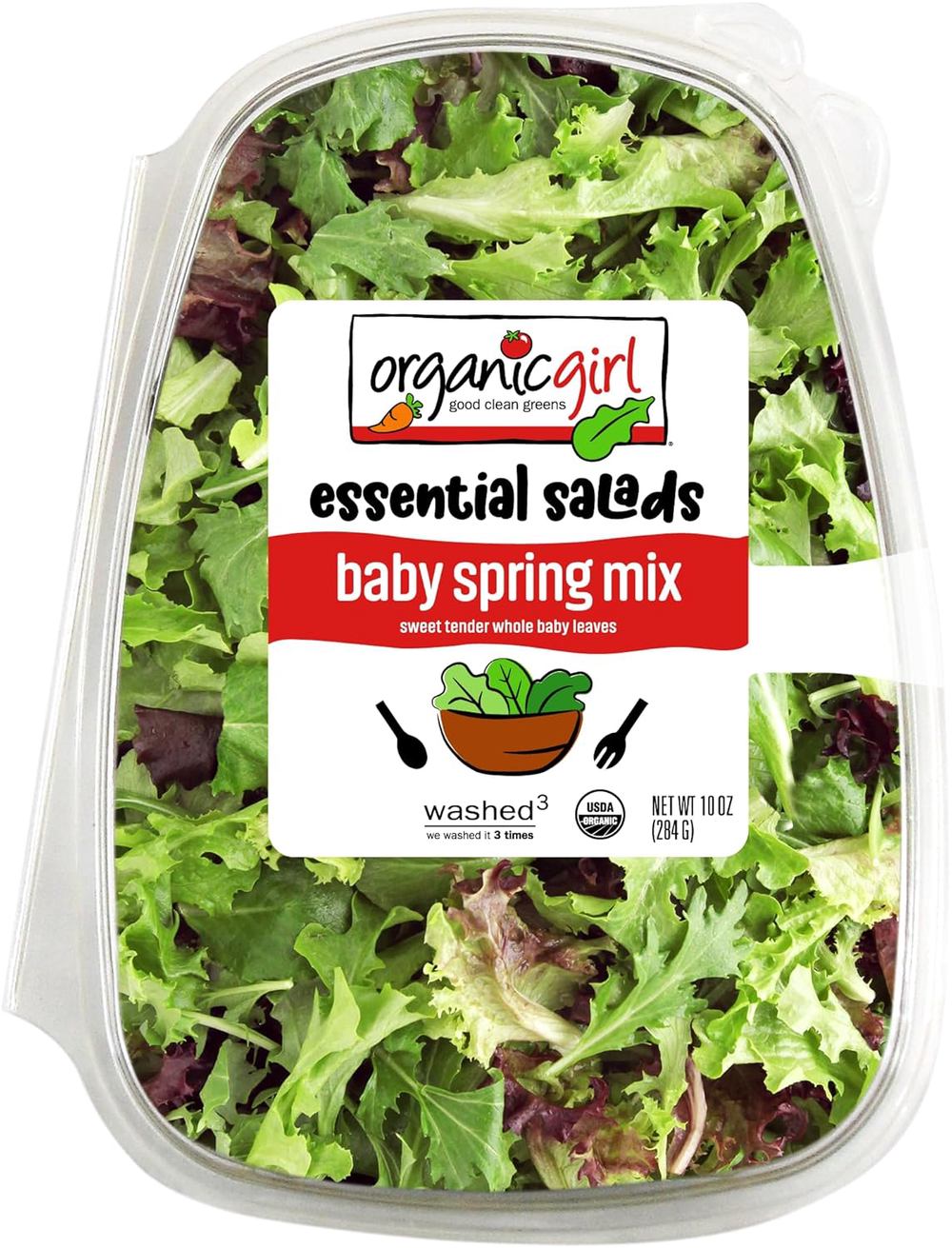
Spinach, kale, Swiss chard, and collard greens are packed with magnesium, a mineral that many women are deficient in—especially during the luteal phase and menstruation. Magnesium helps regulate cortisol (the stress hormone), which can spike during your period and worsen breakouts by triggering more oil production.
Greens are also rich in B vitamins and iron, which help offset the fatigue that often accompanies menstrual bleeding. And because they are low on the glycemic index, they won't spike your blood sugar—a major win, since high blood sugar and insulin surges are strongly linked to acne development. Add a generous handful to smoothies, soups, or sauté with garlic and olive oil for an easy, skin-friendly side dish.
3. Zinc-Rich Foods: Oysters, Pumpkin Seeds, and Chickpeas
Zinc is one of the most studied minerals for acne—both when applied topically and when consumed. It helps regulate immune function, reduces inflammation, and directly inhibits the growth of Propionibacterium acnes (the bacteria involved in acne). It also helps modulate androgen activity, which is particularly valuable during the hormone swings of your period.
The richest food source of zinc is oysters (just three ounces provide nearly 500% of your daily value), but you can also get good amounts from pumpkin seeds, chickpeas, lentils, beef, and cashews. Pair zinc-rich foods with a source of vitamin C (like a squeeze of lemon) to boost absorption.
4. Berries and Citrus: Vitamin C for Collagen and Healing
Vitamin C is essential for collagen synthesis—the structural protein that keeps your skin firm, strong, and able to repair itself faster. When you're dealing with period-related breakouts or even minor skin irritation from PMS, vitamin C acts as a powerful antioxidant that helps neutralize free radicals from stress, poor sleep, and hormonal shifts.
Blueberries, strawberries, raspberries, oranges, grapefruit, and kiwi are all excellent sources. They also have a low glycemic load, which means they won't contribute to the insulin spikes that can worsen acne. Plus, the flavonoids in berries have been shown to support healthy blood circulation to the skin, giving you that subtle post-period glow.
5. Fermented Foods: Probiotics for the Gut-Skin Axis
The gut-skin connection is real, and it becomes especially relevant during menstruation. Hormonal fluctuations can alter the gut microbiome, leading to a cascade of effects that can show up as breakouts, inflammation, and even eczema flares. Including fermented foods—such as yogurt (especially unsweetened Greek or plain yogurt with live cultures), kefir, sauerkraut, kimchi, miso, and tempeh—supports a healthy gut microbiome.
Probiotics have been shown to decrease systemic inflammation and improve the skin's barrier function, which helps it retain moisture and resist irritation. There's also emerging research suggesting that certain probiotic strains can reduce the severity of acne by competing with harmful bacteria and reducing oxidative stress. Aim for one serving of fermented food per day, ideally something unpasteurized (which retains live cultures).
6. Whole Grains and Legumes: Steady Blood Sugar, Steadier Skin
Refined carbohydrates—white bread, pasta, sugary snacks, and soda—cause rapid blood sugar spikes followed by crashes. Those spikes stimulate the body to produce more insulin and insulin-like growth factor (IGF-1), both of which ramp up oil production and encourage acne-causing cellular growth. Replacing refined carbs with low-glycemic alternatives like quinoa, oats, lentils, and beans keeps your blood sugar stable, which in turn minimizes hormonal acne triggers.
These foods also provide B vitamins, fiber, and magnesium, all of which can help ease PMS symptoms like fatigue and irritability. And because fiber helps your body excrete excess estrogen, a high-fiber diet can actually help balance hormone levels in the long run. Try swapping white rice for brown rice or quinoa, and start lunch with a lentil soup or bean salad.
Putting It All Together: A Day of Period-Perfect Skin Support
Here's a simple, realistic example of what a skin-friendly day could look like during your period: Start your morning with a bowl of plain yogurt (probiotics) topped with blueberries (vitamin C) and a sprinkle of pumpkin seeds (zinc). For lunch, enjoy a quinoa and chickpea bowl with plenty of leafy greens and a lemon-tahini dressing (zinc, magnesium, iron, low-glycemic). At dinner, have a piece of grilled salmon (omega-3s) served with a side of sautéed kale and roasted sweet potatoes (the sweet potatoes are higher glycemic but still whole food—just keep the portion moderate). Wrap up with a small side of sauerkraut or kimchi to feed your gut microbiome.
Keep in mind, it's always smart to talk with a healthcare provider or registered dietitian before making big changes to your diet, especially if you have PCOS, endometriosis, or other hormonal conditions that might require a more individualized plan.