
Sleep deprivation is practically a rite of passage for new parents. When you're running on fragmented sleep, every hour counts — and what you eat can either help or hinder your chances of getting meaningful rest between feedings and soothing sessions. While no food will instantly replace a full night's sleep, certain nutrients support the body's natural sleep chemistry and can help you fall asleep faster and stay asleep longer during those precious windows of quiet.
Below are six foods that are not only practical for a busy new-parent lifestyle but also packed with compounds that encourage restful sleep. Keep them on hand for quick snacks or easy meals during the newborn phase.
Oats
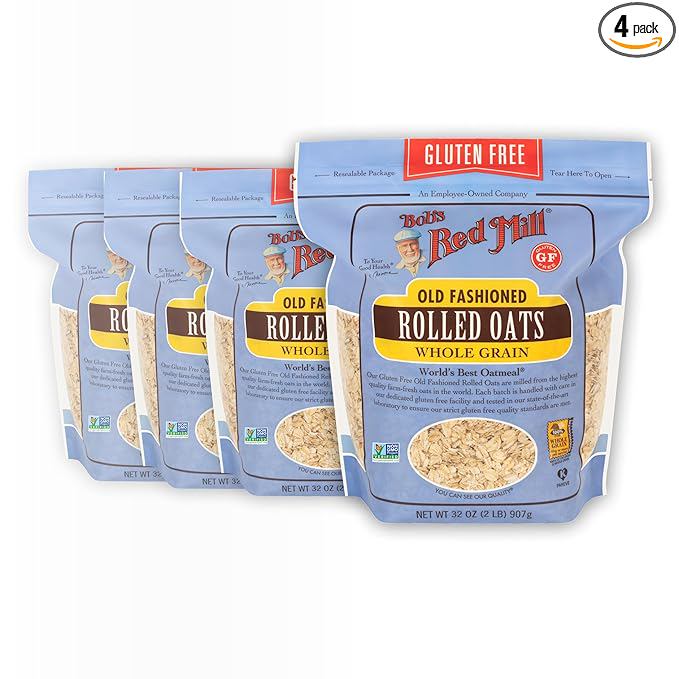
A bowl of oatmeal isn't just comforting — it's a sleep-friendly choice. Oats contain melatonin, the hormone that helps regulate the sleep-wake cycle. They also provide complex carbohydrates that help transport tryptophan (an amino acid that converts to serotonin and then to melatonin) to the brain. For a quick option, try overnight oats made with milk or a fortified plant-based alternative; the calcium in dairy also supports melatonin production. Keep a jar in the fridge for a no-effort snack during middle-of-the-night feedings.
Bananas
Bananas are often called nature's sleep aid, and for good reason. They supply magnesium and potassium, both of which help relax muscles and promote a calm nervous system. They also contain a small amount of tryptophan and carbohydrates to help shuttle that tryptophan where it needs to go. A banana is about as easy as a snack gets when you're holding a sleeping baby — no prep, no mess, just peel and eat.
Almonds
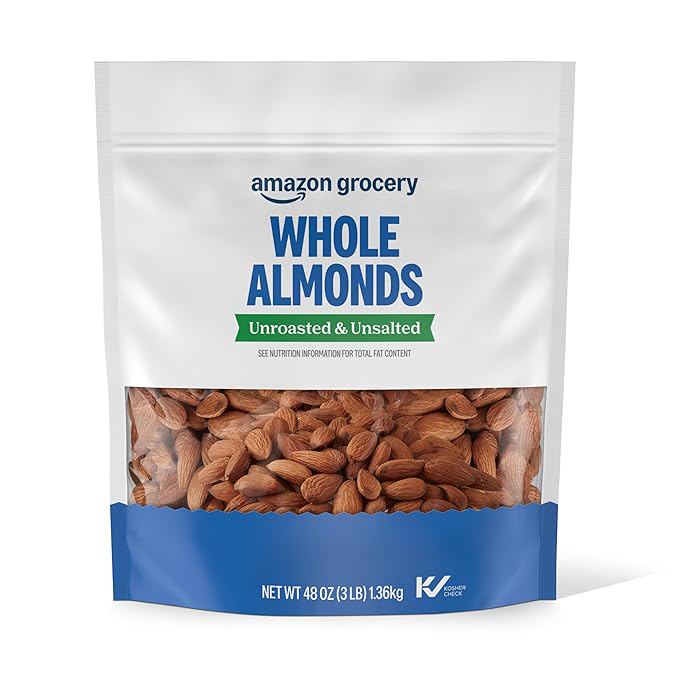
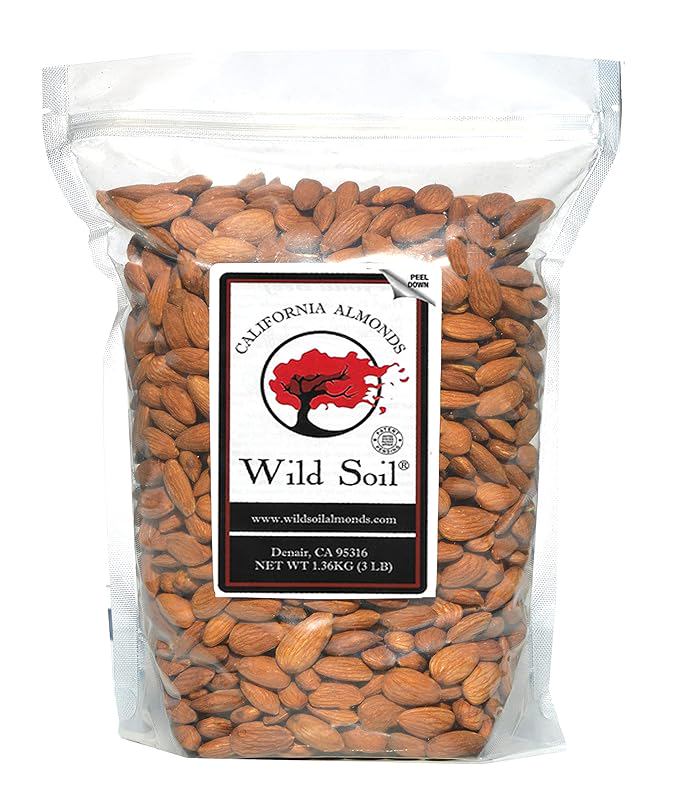
A handful of almonds delivers a concentrated dose of magnesium, a mineral that plays a key role in maintaining healthy sleep patterns. Magnesium helps regulate neurotransmitters involved in sleep, such as GABA, which promotes relaxation. Almonds also provide protein and healthy fats to stabilize blood sugar overnight, which can prevent middle-of-the-night wake-ups caused by hunger or energy crashes. Keep a small bowl on your nightstand for a quiet, dry snack you can eat without turning on lights.
Fatty Fish
Fish like salmon, mackerel, and sardines are rich in omega-3 fatty acids and vitamin D — both linked to better sleep quality. Omega-3s help reduce inflammation and support the production of melatonin, while adequate vitamin D levels are associated with fewer sleep disruptions. If you can manage a simple dinner of baked salmon with roasted vegetables a few nights a week, it may help you sleep more soundly. For quicker options, canned sardines or salmon on whole-grain crackers work well.
Warm Milk (or Fortified Plant Milk)
The classic warm milk before bed isn't just folklore. Milk contains tryptophan and calcium, and the warmth has a soothing, ritualistic effect that can signal your body it's time to wind down. If you're dairy-free, look for unsweetened almond, soy, or oat milks that are fortified with calcium and vitamin D. Heat a small mug in the microwave for 60 seconds and sip slowly while you rock the baby. The combination of warmth, routine, and nutrients creates a mini wind-down moment even on chaotic nights.
Dark Leafy Greens
Spinach, kale, and Swiss chard are packed with calcium and magnesium — two minerals that work together to support the sleep cycle. Calcium helps the brain use tryptophan to manufacture melatonin, while magnesium calms the nervous system. Incorporating greens into your dinner (a quick saute with garlic, tossed into pasta, or blended into a smoothie) can quietly support better sleep without requiring elaborate meal prep. For a zero-effort option, keep pre-washed baby spinach on hand to throw into omelets, soups, or wraps.
Building a sleep-supportive diet during the newborn stage doesn't need to be complicated. Prioritize these foods when you can, stay hydrated, and be gentle with yourself — sleep will gradually become more predictable. Small nutritional choices add up over time, and every bit of rest helps you show up for your baby and yourself.