
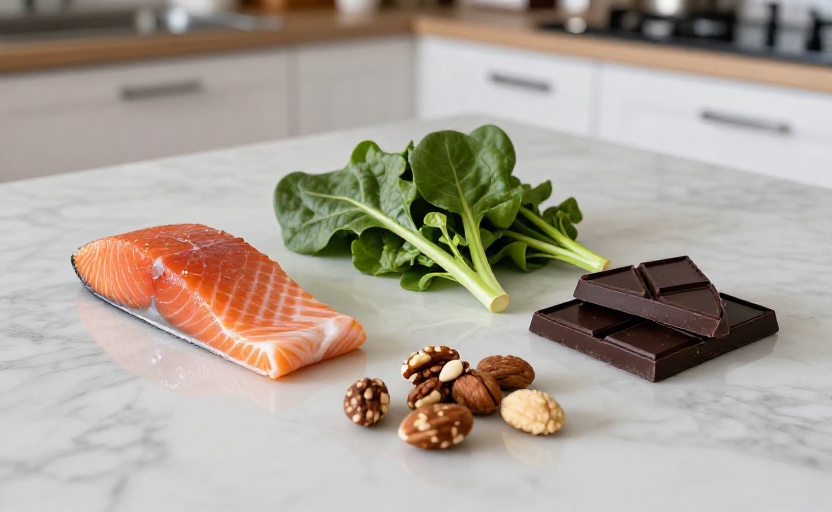
Feeling isolated can cast a long shadow, coloring our thoughts and tightening our chests. In those quiet moments, the connection between what we feel and what we eat becomes more than just a metaphor. Our brains are biochemical landscapes, and the nutrients we provide can subtly influence the terrain—supporting pathways that foster calm, resilience, and a sense of groundedness when we need it most.
This isn't about a magic cure for loneliness, but about gentle, foundational support. Choosing specific foods can be a tangible act of self-care, a way to nourish your nervous system when external connections feel distant. Let's explore some of the key dietary allies that can help cultivate a calmer mind.
How does food affect our mood during isolation?
When we're isolated, stress hormones like cortisol can run higher, and our brain's supply of feel-good neurotransmitters like serotonin and dopamine can become depleted. The foods we choose act as raw materials. They provide the amino acids, vitamins, minerals, and healthy fats our bodies need to manufacture these crucial chemicals and regulate our stress response. Think of it as giving your brain the right building blocks to fortify itself from the inside out.
Foods to support a calmer state of mind
Fatty fish like salmon and sardines
Rich in omega-3 fatty acids (specifically EPA and DHA), fatty fish are cornerstone foods for brain health. These fats are integral components of brain cell membranes and have potent anti-inflammatory effects. Chronic, low-grade inflammation is increasingly linked to mood disturbances, and omega-3s help quiet this background noise. Studies suggest they can support a more balanced emotional state.
Regular intake of omega-3s is linked to better emotional resilience over time, not just an immediate effect.
Dark leafy greens (spinach, kale, Swiss chard)
These greens are powerhouses of folate, a B-vitamin that plays a critical role in producing serotonin, dopamine, and norepinephrine—neurotransmitters that regulate mood, sleep, and motivation. When we're low in folate, this production can stall. They're also packed with magnesium, a mineral that acts as a natural relaxant for the nervous system and is often depleted during periods of stress.
Fermented foods (yogurt, kefir, kimchi, sauerkraut)
The gut-brain connection is a vibrant two-way street, and fermented foods help maintain a healthy gut microbiome. A significant portion of the body's serotonin is produced in the gut. By supporting beneficial gut bacteria, these foods may positively influence communication along the vagus nerve to the brain, promoting a sense of calm and well-being.
Nuts and seeds (walnuts, almonds, pumpkin seeds, flaxseeds)
A convenient and satisfying source of multiple calming nutrients. Walnuts are a top plant-based source of omega-3s (ALA). Almonds provide magnesium and vitamin E. Pumpkin seeds are exceptionally high in magnesium and also contain zinc, which supports nerve function. Sprinkle them on oatmeal, add them to salads, or keep a small jar by your desk for a mindful snack.
Complex carbohydrates (oats, quinoa, sweet potatoes)
Often misunderstood, wholesome carbohydrates are crucial for mood. They help shuttle the amino acid tryptophan into the brain, where it's converted into serotonin. The key is choosing complex, fiber-rich sources that provide a steady glucose release, avoiding the blood sugar spikes and crashes that can exacerbate anxiety and irritability. A bowl of oatmeal can be a profoundly stabilizing way to start the day.
Dark chocolate (70% cocoa or higher)
In moderation, dark chocolate is more than a treat. It contains flavonoids, compounds that may improve blood flow to the brain and have antioxidant effects. It also stimulates the production of endorphins and contains small amounts of magnesium. The ritual of slowly savoring a square can itself be a mindful pause, pulling you into the present moment.
Building a nourishing routine
Incorporating these foods works best as part of a consistent pattern, not a one-off meal. Hydration is equally vital—even mild dehydration can increase cortisol levels. Pair your nourishment with other grounding practices: a few minutes of deep breathing, a short walk outside if possible, or listening to calming music. The goal is to build a toolkit where food is one supportive element in tending to your well-being.
Remember, these suggestions are for general wellness education. If feelings of isolation or anxiety are persistent or overwhelming, reaching out to a mental health professional is the most important step you can take. Think of food as one form of foundational care, creating a more resilient internal environment from which to connect, reflect, and heal.