If you live with social anxiety, you already know the usual advice: breathe deeply, prepare conversation starters, and arrive early to settle in. But what if the food on your plate is quietly making things harder? A growing body of research and clinical experience suggests that certain foods can amplify the physical symptoms of anxiety—racing heart, jitteriness, brain fog—just when you need to feel your most grounded.
We spoke with registered dietitians who specialize in mental health to identify six foods that tend to worsen social anxiety symptoms. The goal isn't to create a rigid list of “never eat” items—it's to help you recognize patterns so you can make intentional choices before a big meeting, date, or social gathering.
1. High-Sugar Foods and Refined Carbs
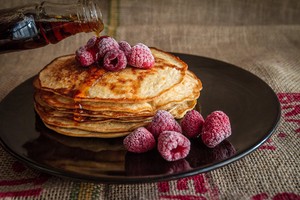
A sugary doughnut or a big bowl of white pasta might feel comforting in the moment, but the crash that follows can mimic or worsen anxiety. “When blood sugar spikes and then drops sharply, your body releases stress hormones like adrenaline and cortisol,” explains a registered dietitian. “That can cause shakiness, irritability, and a pounding heart—symptoms that are easily mistaken for a panic attack.” For someone with social anxiety, that physical rush can be enough to trigger a full spiral.
Instead of cutting carbs entirely, choose complex sources like oats, quinoa, or sweet potatoes, which release glucose steadily and keep your mood more even.
2. Caffeine
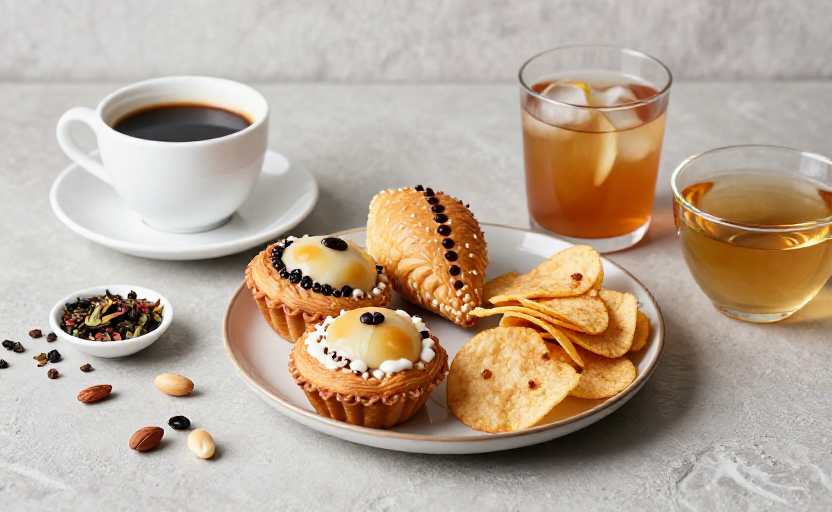
Caffeine is perhaps the most well-known anxiety trigger. Even moderate amounts can ramp up the body's “fight or flight” response. For people prone to social anxiety, a single cup of coffee may increase heart rate, cause trembling hands, and heighten feelings of nervousness. “I’ve had clients who were convinced they had a social phobia,” says one dietitian, “and it turned out they were drinking three cups of coffee before work. When they cut back, their social anxiety dropped significantly.”
If you're sensitive to caffeine, try switching to herbal teas or low-caffeine options like green tea, which contains the amino acid L-theanine—a compound that promotes calm without sedation.
3. Alcohol
Many people reach for a drink to “take the edge off” before a social event, but alcohol is a short-term fix with long-term costs. While it may temporarily reduce inhibition, alcohol disrupts sleep quality, depletes mood-regulating neurotransmitters like serotonin, and can cause rebound anxiety the next day. “Alcohol is a depressant that initially calms the nervous system, but as it wears off, your brain can become hyperaroused,” a dietitian notes. For someone with social anxiety, that rebound effect can be worse than the original stress.
If you choose to drink, stick to one serving and pair it with a full glass of water. But for many, skipping alcohol altogether before important social events leads to more consistent calm.
4. Highly Processed Foods and Trans Fats
Foods like fast food, packaged snacks, and commercial baked goods are often high in trans fats and refined oils. These inflammatory ingredients can disrupt the gut-brain axis—the bidirectional communication system between your digestive tract and your brain. “A healthy gut produces about 90% of your body's serotonin,” explains a dietitian. “When you eat inflammatory foods, you compromise gut health, which can directly affect your mood and anxiety levels.”
Over time, a diet heavy in processed foods may also increase systemic inflammation, which has been linked to higher rates of depression and anxiety. Swapping one processed snack a day for something whole—like an apple with almond butter or a handful of walnuts—can make a noticeable difference.
5. Artificial Sweeteners
Diet sodas, sugar-free candies, and low-calorie energy drinks often contain artificial sweeteners such as aspartame, sucralose, and saccharin. Some studies suggest that aspartame, in particular, may alter neurotransmitter activity in the brain and increase anxiety symptoms in susceptible individuals. While the research isn't conclusive for everyone, dietitians report that some clients feel noticeably more anxious and irritable after consuming artificial sweeteners.
If you suspect a link, try eliminating these products for one to two weeks and monitor your mood. Natural alternatives like stevia or monk fruit are less likely to cause issues, but water and unsweetened tea remain the safest bets.
6. Excessive Sodium
High-sodium meals—think restaurant dishes, frozen dinners, and salty snacks—can cause your body to retain water, which leads to blood pressure fluctuations. For someone already on edge, a sudden rise in blood pressure can feel like a heart-pounding wave of anxiety. “Sodium also interferes with potassium balance, and potassium is essential for nerve function,” says a dietitian. “When that balance is off, your entire nervous system can feel out of whack.”
You don't need to go salt-free. Just be mindful of hidden sodium in packaged foods and try to balance salty meals with potassium-rich foods like bananas, avocados, and leafy greens.
Bottom line: Small dietary shifts—like swapping sugary snacks for protein-rich options or cutting back on caffeine before social events—can help steady your nervous system. These changes aren't a cure for social anxiety, but they can give you one more tool to feel in control.