Preparing for a sexual health screening can bring up a mix of emotions. You are taking a responsible step for your well-being, but you might also wonder if there is anything you can do to support your body beforehand. While no food can replace the accuracy of a medical test or prevent an infection, certain nutrient-rich foods can support your immune system in the days leading up to your appointment. A well-functioning immune system helps your body maintain its natural defenses, which is especially helpful when you are already thinking about your reproductive health.
The focus should be on whole, minimally processed foods that provide vitamins, minerals, and antioxidants known to support immune function. Think of this as a gentle, proactive way to care for your body, not a medical intervention. Below are six evidence-backed foods that can be part of a smart pre-screening nutrition plan.
1. Citrus fruits for a vitamin C boost
Oranges, grapefruits, lemons, and limes are well-known for their high vitamin C content. Vitamin C is a key player in immune health because it helps stimulate the production of white blood cells, which help protect the body against infection. Since the body does not produce or store vitamin C, getting it regularly from food is important. A glass of fresh orange juice or a bowl of grapefruit segments a few days before your screening is a simple way to increase your intake.
2. Leafy greens for folate and antioxidants
Spinach, kale, and Swiss chard are packed with folate (a B vitamin), fiber, and a variety of antioxidants. Folate is essential for the production and repair of DNA and for cell division, processes that are fundamental to a healthy immune response. Dark leafy greens also contain beta-carotene and vitamin C, which work synergistically to support immune barriers like the skin and mucous membranes. Try a warm spinach salad or lightly steamed kale as a side dish.
3. Yogurt and fermented foods for gut health
About 70 to 80 percent of your immune cells are located in your gut. This means that a healthy gut microbiome directly influences your body's ability to fight off pathogens. Yogurt with live and active cultures, kefir, sauerkraut, and kimchi are rich in probiotics—beneficial bacteria that support the gut lining and help regulate inflammation. Choose plain, low-sugar yogurt to avoid the immune-dampening effects of added sugars.
4. Almonds for vitamin E
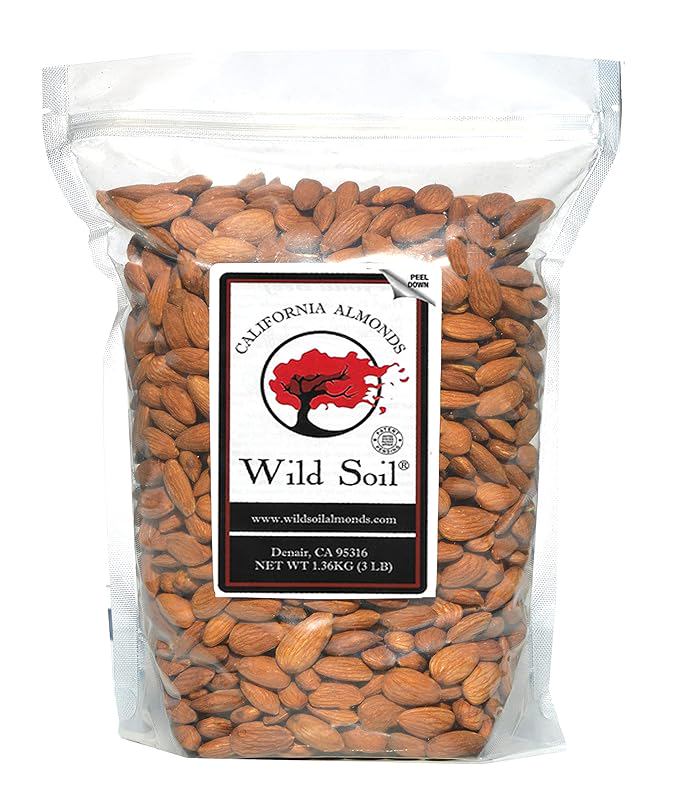
Vitamin E is a fat-soluble antioxidant that helps protect cell membranes from damage. Unlike vitamin C, which is water-soluble, vitamin E works primarily within the fatty layers of cells, helping to maintain the integrity of immune cells. A small handful of almonds (about 1 ounce) provides nearly half of your daily vitamin E needs. Sunflower seeds and hazelnuts are also good sources if you prefer variety.
5. Green tea for flavonoids and L-theanine
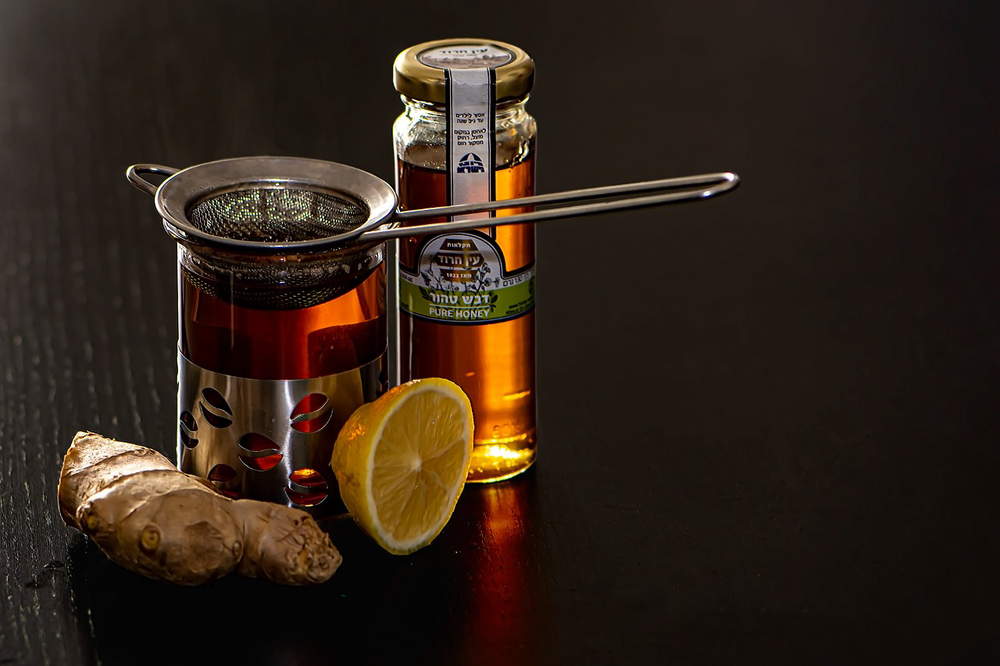
Green tea is rich in flavonoids, a type of antioxidant that supports immune function by reducing oxidative stress. It also contains L-theanine, an amino acid that may support the production of germ-fighting compounds in your T-cells. A warm cup of green tea can be a soothing, hydrating ritual in the days before your screening. For an extra immune boost, consider matcha, which contains a higher concentration of antioxidants.
6. Salmon and fatty fish for vitamin D and omega-3s
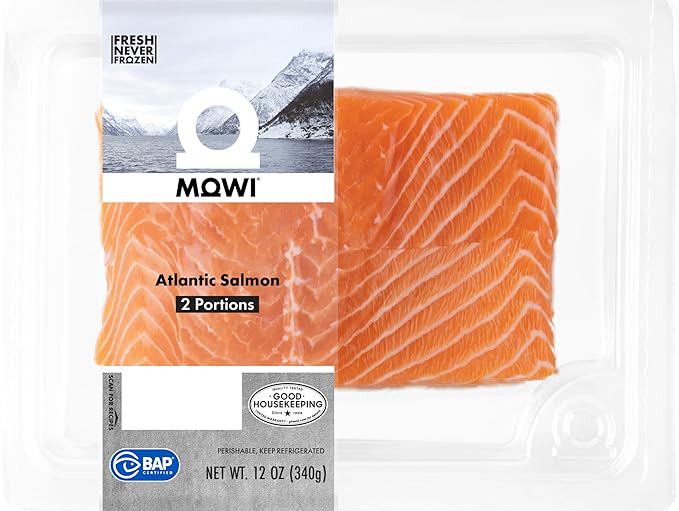
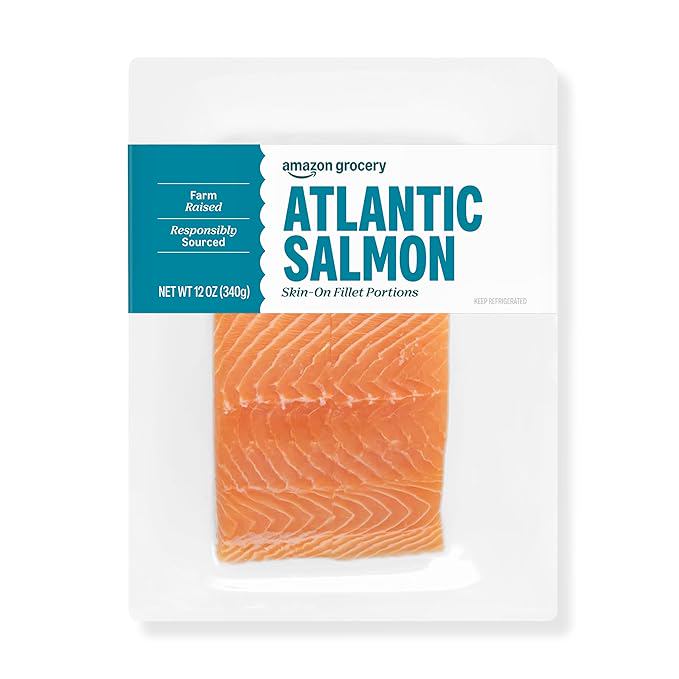
Vitamin D is critical for immune regulation, and many people have low levels without realizing it. Fatty fish like salmon, mackerel, and sardines are among the few natural food sources of vitamin D. They also provide omega-3 fatty acids, which help reduce inflammation and support the function of immune cells. Eating two servings of fatty fish per week can help maintain adequate vitamin D levels and support overall immune readiness.
A note on hydration and balance
Water supports every system in your body, including the immune system. Dehydration can impair the production of lymph, the fluid that carries immune cells throughout the body.
Aim for consistent hydration in the days before your screening. Avoid excessive alcohol and high-sugar foods, as both can temporarily suppress immune activity. The goal is not a drastic diet change but rather a few mindful additions that support your body's natural defenses.
What to keep in mind
These foods are supportive, not curative. They are part of a holistic approach to health that includes regular screenings, open communication with your healthcare provider, and safe sexual practices. If you have specific health concerns or dietary restrictions, consult a registered dietitian or your clinician for personalized advice.