
Perimenopause brings a whole new set of nighttime challenges. You might find yourself waking up drenched in sweat, or lying awake with your mind racing while your body feels overheated. These disruptions are common, but what you eat during the day can have a real impact on how well you sleep at night. The right foods help stabilize blood sugar, cool inflammation, and support the hormones that govern your sleep-wake cycle.
Below are six science-backed foods that target the root causes of night sweats and poor sleep during perimenopause. None of them are magic bullets, but added consistently to your diet, they can help your body find a calmer rhythm.
1. Whole Soy Foods (Tofu, Edamame, Tempeh)
Hot flashes and night sweats often trace back to dropping estrogen levels. Soy contains isoflavones, plant compounds that weakly mimic estrogen in the body. Research suggests that consuming whole soy foods—not supplements or heavily processed soy isolates—can reduce the frequency and severity of hot flashes for many women.
Tofu, edamame, and tempeh also provide a steady source of protein, which helps keep blood sugar balanced overnight. Blood sugar dips can trigger adrenaline surges that wake you up, so a dinner that includes a serving of soy can promote more stable rest.
Tip: Aim for one to two servings of whole soy per day. A handful of steamed edamame as a snack or stir-fried tofu in your evening meal is plenty. Whole soy is safe for most women, but if you have a thyroid condition, talk to your doctor about your intake.
2. Oats
Oats are rich in complex carbohydrates and soluble fiber, which help slow the release of sugar into your bloodstream. That steady energy is crucial because perimenopause often worsens insulin sensitivity—and when blood sugar swings, body temperature can follow, triggering night sweats.
Oats also contain melatonin precursors, meaning they help your body produce its own natural sleep hormone. A warm bowl of oatmeal in the evening can feel comforting, but even a small serving of oat-based crackers or muesli before bed may help you fall asleep more easily.
3. Fatty Fish (Salmon, Mackerel, Sardines)
Omega-3 fatty acids found in salmon, mackerel, and sardines have potent anti-inflammatory effects. Inflammation is a known contributor to vasomotor symptoms like hot flashes and night sweats. In fact, studies show that women with higher levels of omega-3s in their blood tend to experience fewer hot flashes.
Fatty fish is also one of the best food sources of vitamin D, which can help regulate mood and sleep. Low vitamin D levels are linked to poorer sleep quality and higher risk of hot flashes. Aim for two servings of fatty fish per week, grilled or baked (not fried).
4. Tart Cherries (or Unsweetened Tart Cherry Juice)
Tart cherries are one of only a few foods that naturally contain meaningful amounts of melatonin. Drinking tart cherry juice has been studied for its ability to increase sleep time and sleep efficiency, especially in middle-aged and older adults.
The anthocyanins in tart cherries also act as antioxidants that reduce inflammation—another win for cooling your core temperature at night. Stick to unsweetened varieties or a small bowl of frozen tart cherries as a pre-bedtime snack.
Note: Tart cherry juice is fairly tart (hence the name), so mixing it with soda water or diluting it with water can make it more palatable.
5. Leafy Greens (Spinach, Kale, Swiss Chard)
Magnesium is sometimes called the “relaxation mineral,” and leafy greens are among the best dietary sources. Magnesium helps calm the nervous system, relax muscles, and support deep sleep. It also plays a role in regulating body temperature.
During perimenopause, magnesium requirements may increase due to hormonal fluctuations. A magnesium deficiency can show up as muscle cramps, anxiety, and restless sleep. Adding a generous handful of spinach or Swiss chard to your dinner or lunch can help close that gap naturally.
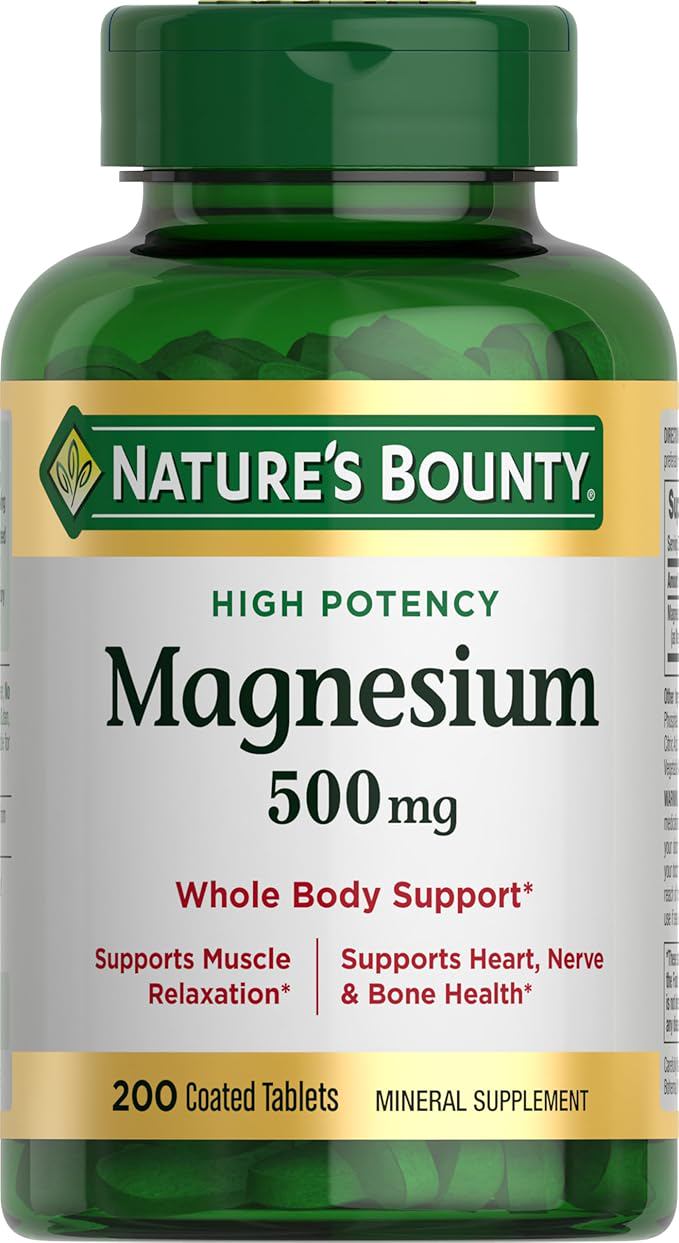
If you find it hard to eat enough greens, a magnesium glycinate supplement (500–600 mg at night) is a doctor-approved backup, but whole food sources come with added fiber and vitamins.
6. Pumpkin Seeds
Pumpkin seeds are a compact source of zinc, magnesium, and tryptophan—an amino acid that your body converts into serotonin and then into melatonin. That makes them a perfect pre-bedtime snack for perimenopausal women.
They also provide healthy fats and protein, which help stabilize blood sugar through the night. A small handful (about one ounce) about an hour before bed can be enough to support your sleep cycle without being heavy on the stomach.
Putting It All Together
You don’t need to eat all six foods every day. Small changes—like swapping your afternoon snack for edamame, or adding spinach to your dinner—can start to shift your body’s nighttime response. Perimenopausal night sweats have multiple triggers, and diet is just one lever you can pull. But it’s a powerful one, especially when combined with good sleep hygiene (cool room, consistent bedtime, no screens an hour before sleep).
If you’ve tried dietary changes and your night sweats or insomnia are still severe, talk to your healthcare provider. They can help you explore other options—like hormone therapy or targeted supplements—that work alongside your eating habits.