Your skin holds a memory of your younger self. Collagen, the structural protein that gives skin its bounce and firmness, naturally declines after the mid-20s. By the time most people notice the first fine lines or crepey texture, years of gradual loss have already passed. While topical creams and serums get most of the attention, the body's ability to build its own collagen depends heavily on what you put on your plate. Supporting natural collagen production means giving your fibroblasts the exact raw materials they need—vitamin C, copper, zinc, and specific amino acids—every single day.
The following six foods deliver those key nutrients in their most usable forms. None of them will erase wrinkles overnight, but eaten consistently, they help maintain the skin's structure from the inside out.
Why food-first over supplements?
Whole foods contain co-factors and synergistic compounds that isolated supplements rarely match. Vitamin C, for example, is water-soluble and degrades easily; getting it from fresh produce with natural bioflavonoids may improve absorption. Similarly, collagen peptides in bone broth are paired with glycine, proline, and minerals that work together for tissue repair. Eating these foods regularly also supports ongoing synthesis rather than a short-lived spike from a pill.
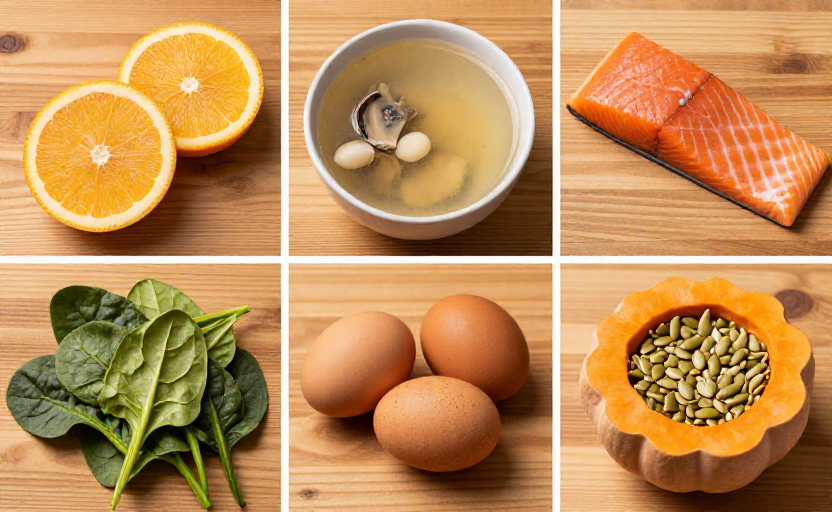
1. Citrus and berries — the vitamin C powerhouses
Collagen synthesis stops without adequate vitamin C. The body uses it as a cofactor for two enzymes, prolyl hydroxylase and lysyl hydroxylase, which stabilize the collagen triple helix. Without enough C, the collagen that gets built is weak and breaks down quickly.
Oranges, grapefruits, lemons, and limes are obvious sources, but strawberries, blueberries, and blackberries actually deliver higher concentrations per calorie. The polyphenols in berries also protect existing collagen from UV damage, a double benefit. A single cup of strawberries provides roughly 100 percent of the daily recommended intake of vitamin C.
2. Bone broth — a direct collagen source
Bone broth is made by simmering animal bones, tendons, and ligaments for many hours, which pulls collagen and the amino acids glycine and proline into the liquid. While the body doesn't directly absorb whole collagen from broth, the hydrolyzed collagen peptides in it are readily absorbed and appear to stimulate the body's own fibroblasts to produce more collagen.
Look for broth made from grass-fed beef or pasture-raised chicken bones, and choose versions low in sodium. Having a warm cup as a snack or using it as a base for soups and stews is an easy, comforting way to get these amino acids daily.
Tip: If store-bought broth tastes thin, simmer it at home with extra vegetables, bay leaves, and a splash of apple cider vinegar to improve flavor and mineral extraction.
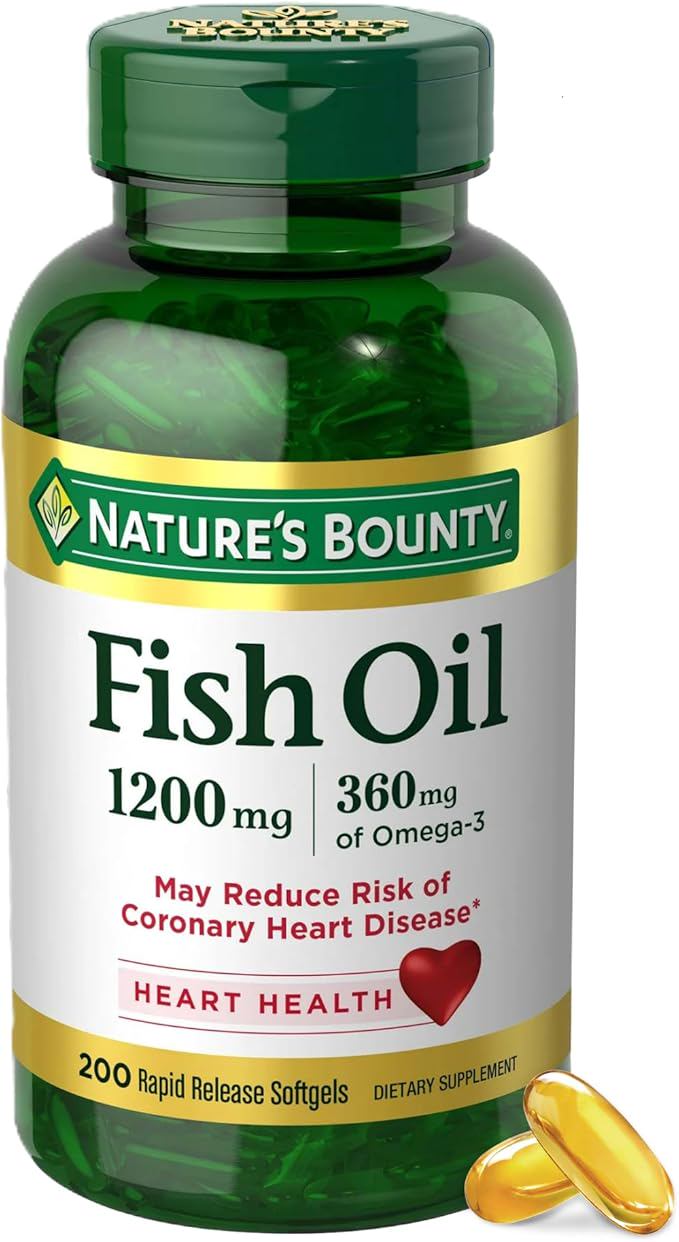
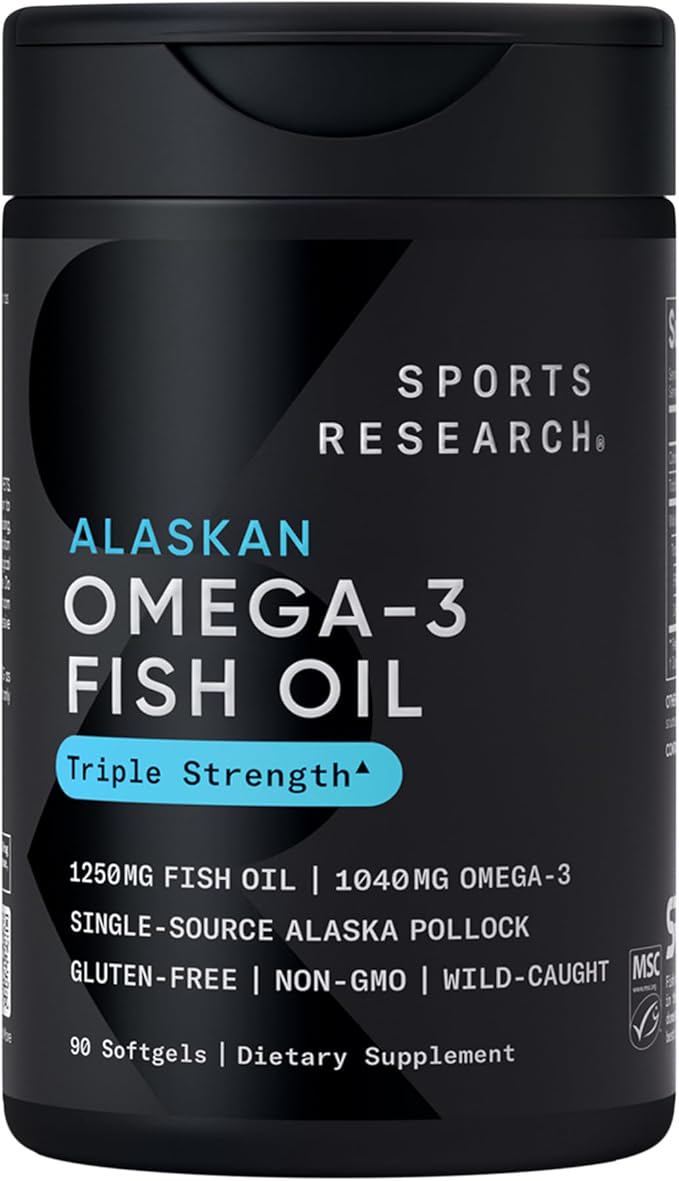
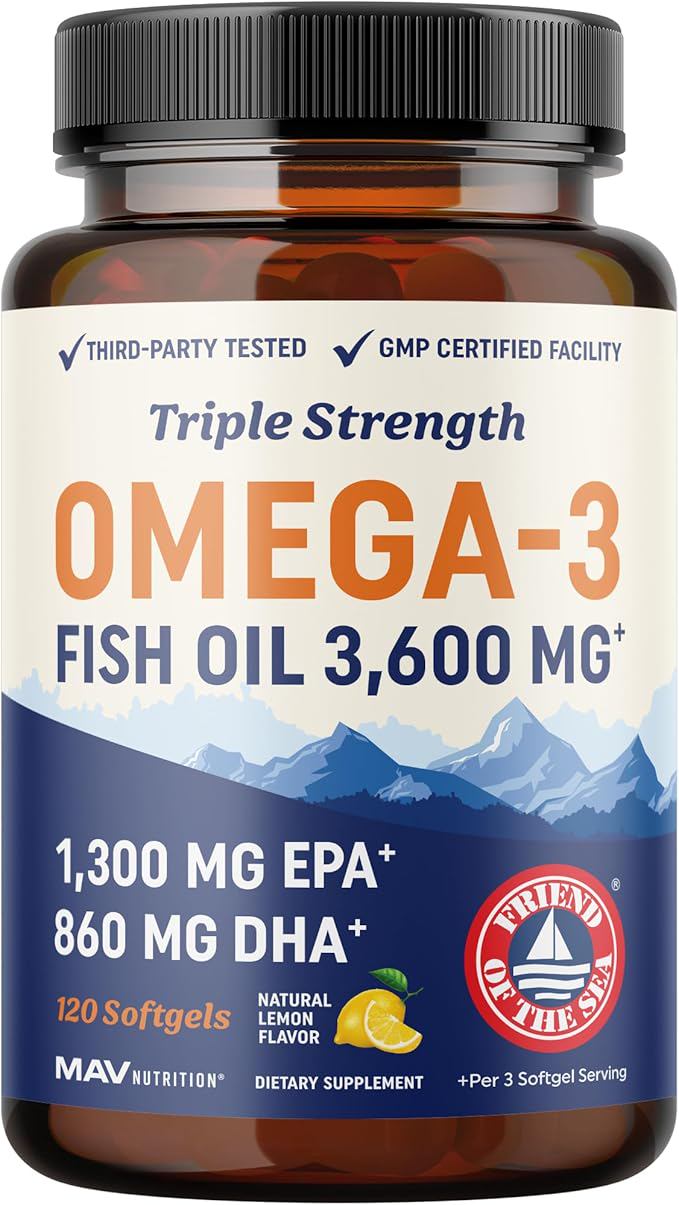
3. Fatty fish — omega-3s and protein for skin repair
Collagen is a protein, so the body needs a steady supply of high-quality protein to build it. Fatty fish like salmon, mackerel, sardines, and trout provide complete protein packed with essential amino acids. But the real bonus is omega-3 fatty acids. These help reduce inflammation that degrades collagen and damages the skin's matrix.
Chronic, low-grade inflammation from poor diet, stress, or sun exposure actually accelerates collagen breakdown. Omega-3s from fish help calm that response. Aim for two servings of fatty fish per week for a noticeable effect on skin resilience and moisture.
4. Dark leafy greens — copper and chlorophyll
Copper is an unsung hero in collagen formation. It activates the enzyme lysyl oxidase, which cross-links collagen and elastin fibers, giving skin its snap and structure. Without copper, even abundant collagen building blocks can't form a stable network.
Spinach, kale, Swiss chard, and collard greens are excellent sources of copper, along with vitamin A and chlorophyll. Interestingly, some research suggests chlorophyll may help boost procollagen production in the skin. The combination of these greens in a salad, smoothie, or lightly sautéed side dish gives skin multiple benefits at once.
5. Eggs — proline and glycine from the whites
Egg whites are rich in proline, one of the three primary amino acids in collagen. The yolk adds vitamin D and healthy fats that support skin cell turnover. Many people don't realize that proline is actually one of the most critical precursors for collagen, and it isn't as abundant in common cuts of meat or plant proteins.
For maximum benefit, eat the whole egg rather than just the white. The yolk's biotin content also helps maintain skin integrity. One or two eggs per day is a convenient and budget-friendly way to supply proline for ongoing collagen synthesis.
6. Nuts and seeds — zinc and vitamin E
Zinc plays a double role: it is required for collagen synthesis and also protects against UV-induced collagen breakdown. Even a mild zinc deficiency can slow wound healing and reduce skin firmness.
Pumpkin seeds, cashews, almonds, and sunflower seeds are all good sources. Brazil nuts are particularly worth mentioning for selenium, another mineral that prevents oxidative stress in skin cells. A small handful mixed into oatmeal, yogurt, or eaten as a snack provides a steady supply of these nutrients without excess calories.
How to combine these foods for maximum collagen support
Eating these foods in isolation is less effective than pairing them strategically. Vitamin C from citrus or berries taken simultaneously with the proline from eggs or the zinc from seeds helps absorption and utilization. A simple morning bowl of Greek yogurt with berries and pumpkin seeds covers three of the six categories in one meal.
Consistency matters more than occasional splurges. Aiming for at least three to four of these food types most days will support collagen production better than any once-a-week smoothie. Avoid smoking, excess sugar, and chronic sun exposure, as those habits actively degrade the collagen that your foods are working to build.
Collagen isn't something you can see improving overnight, but over months of consistent eating, the skin's density, bounce, and resilience gradually hold up better. The plate is the most underrated anti-aging tool you own.