
Iodine is one of those nutrients that operates in a narrow sweet spot. Too little, and your thyroid can't produce enough hormone, leading to fatigue, weight gain, and brain fog. Too much, and you risk thyroid inflammation or worsening autoimmune conditions like Hashimoto's. The challenge is that dietary sources of iodine vary wildly — kelp can contain thousands of micrograms per serving, while most fruits and vegetables have almost none.
Rather than guessing with supplements or eating massive amounts of seaweed, you can support your levels with a few well-chosen whole foods that provide steady, moderate amounts of iodine. Below are six options that offer a reliable source without pushing you into excess territory.
1. Dried seaweed snacks (in moderation)
Kelp, nori, and wakame are the richest natural sources of iodine. But the concentration varies enormously depending on the type of seaweed and where it was harvested. Nori sheets — the kind used for sushi rolls — tend to have a lower iodine content than kelp. A single sheet of nori provides roughly 5 to 15 micrograms, which is a manageable bump rather than a megadose. Snacking on one or two sheets a couple of times per week is a safe, food-based approach. Avoid kelp supplements and powders unless you have tested deficiency and are working alongside a clinician.
2. Plain yogurt (without high-fructose additives)
Plain, full-fat yogurt from grass-fed cows typically contains between 75 and 90 micrograms of iodine per cup. The iodine is present partly from the cows' feed (iodized supplements in their diet) and partly from the dairy processing itself. Yogurt also provides gut-friendly probiotics. Because dairy can be a common source of iodine without feeling like a deliberate "thyroid food," it fits well into a balanced diet. Choose plain yogurt to avoid added sugars that can interfere with overall metabolic health.
3. Large eggs (with the yolk)
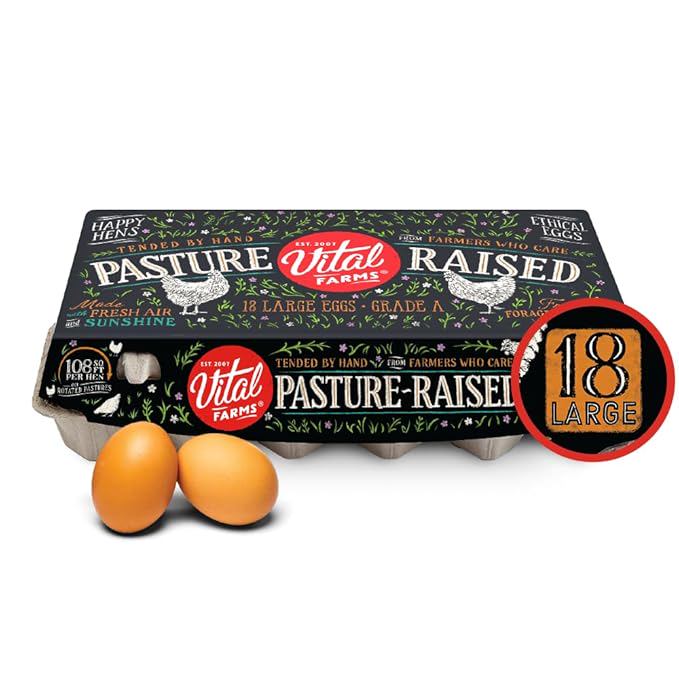
The yolk is where most of the iodine in an egg is stored. A single large egg supplies roughly 25 micrograms of iodine — about 15 percent of the daily requirement for an adult. Eggs also provide selenium, another essential mineral for thyroid hormone conversion and function. If you are concerned about cholesterol, current research suggests that moderate egg consumption (one to two eggs per day) does not raise blood cholesterol levels in healthy individuals. Stick to pasture-raised eggs when possible for a better fatty acid profile.
4. Baked cod or haddock
White fish like cod and haddock are moderate sources of iodine. A three-ounce portion of baked cod provides about 100 micrograms of iodine — roughly two-thirds of the daily recommended intake. This is considerably less than the massive doses found in kombu or high-concentration kelp products, making it a safer fish option for regular consumption. Avoid fish that are very high on the food chain (like tuna or swordfish) if you are also monitoring mercury exposure. Cod and haddock offer a lean protein source with predictable iodine content.
5. Fresh or frozen cranberries
Cranberries are one of the few fruits that accumulate iodine from the soil. One cup of fresh cranberries provides about 30 micrograms of iodine. Dried cranberries, which are often sweetened with added sugar, contain less iodine per serving and introduce unnecessary sugar. Use fresh or frozen unsweetened cranberries in smoothies, oatmeal, or as a simple compote. The tart flavor pairs well with moderate sweetness, and the antioxidants (proanthocyanidins) are a bonus for urinary tract health unrelated to thyroid support.
6. Baked potato with the skin
A medium baked potato eaten with the skin contains roughly 35 to 45 micrograms of iodine. The skin is the part that holds the mineral from the soil, so leaving it on matters. Potatoes also offer potassium, vitamin C, and a modest amount of resistant starch, which supports healthy blood sugar regulation. Choose organic potatoes if you are concerned about pesticide residues on the skin. This is a simple, affordable, and widely available food that can be added to any rotation without much planning.
A note on balance and testing
If you have a known thyroid condition — especially Hashimoto's thyroiditis — talk to your doctor before making intentional changes to your iodine intake. For most people, a diet that includes a few servings of the foods listed above, plus a standard iodized salt used in cooking, is sufficient to maintain healthy levels. The real risk for the general population is deficiency, but for those with autoimmune thyroid disease, the margin for error is narrower.