When you're trying to conceive or simply want to understand your cycle better, what you eat matters more than many realize. Ovulation — the release of a mature egg from the ovary — is a finely tuned hormonal event. And just like any complex process in the body, it runs best with the right fuel.
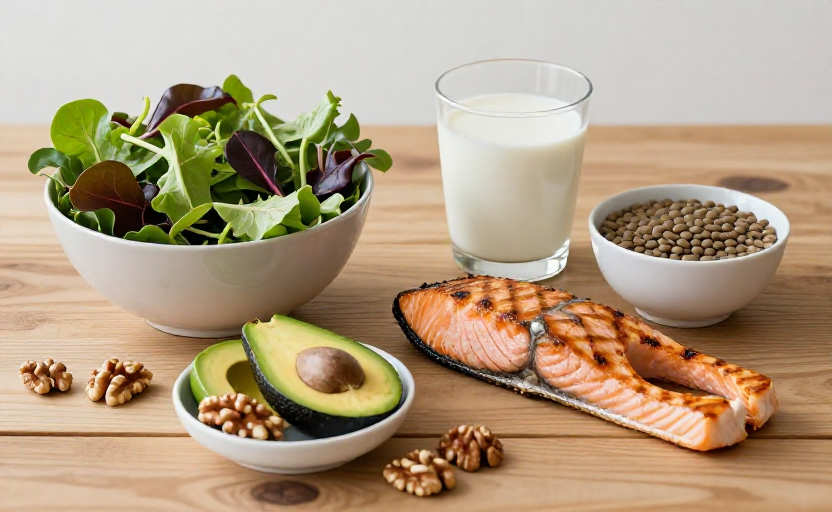
We spoke with registered dietitians who specialize in fertility nutrition to identify six foods that consistently come up as top choices for supporting healthy ovulation. These aren't magic bullets, but they are evidence-backed additions to a balanced diet that can help stabilize blood sugar, reduce inflammation, and provide key nutrients for hormone production.
Why diet affects ovulation
Before diving into the foods, it helps to understand the connection between your plate and your cycle. Insulin resistance, for example, can interfere with the hormones that trigger ovulation. A diet high in refined carbohydrates and sugar can worsen this. On the other hand, anti-inflammatory foods and those rich in certain vitamins and minerals may help regulate menstrual cycles and improve egg quality.
"The goal is not a restrictive diet but a nourishing one — consistently providing the building blocks your body needs for hormone synthesis and regular ovulation," explains one fertility dietitian.
1. Full-fat dairy (in moderation)
For years, low-fat dairy was touted as the healthier choice, but research suggests that when it comes to ovulation, full-fat options may have an edge. A large prospective study from the Harvard School of Public Health found that women who consumed one or more servings of full-fat dairy per day had a lower risk of ovulatory infertility compared to those who chose skim or low-fat versions.
The theory? Fat-soluble vitamins and the higher fat content may support hormone balance. Estrogen and progesterone are steroid hormones, after all, and they rely on dietary fat for synthesis. A small glass of whole milk or a serving of full-fat yogurt is plenty — you don't need to overdo it.
2. Fatty fish (salmon, sardines, mackerel)
Omega-3 fatty acids, particularly EPA and DHA found in fatty fish, are potent anti-inflammatory agents. Chronic inflammation can disrupt ovarian function and contribute to hormonal imbalances. Omega-3s also help improve blood flow to the reproductive organs and support the production of healthy cervical mucus.
Dietitians recommend two to three servings of low-mercury fatty fish per week. If you don't eat fish, a high-quality algae-based omega-3 supplement can be a good alternative. "In my practice, I see clients who add salmon twice a week and notice their menstrual cramps improve and cycles become more regular," one dietitian shared.
3. Leafy greens (spinach, kale, Swiss chard)
Leafy green vegetables are rich in folate, iron, and magnesium — three nutrients that play direct roles in ovulation. Folate is essential for DNA synthesis in developing egg cells. Iron helps prevent anemia, which has been linked to ovulatory infertility. Magnesium supports the adrenal glands and helps regulate the stress hormone cortisol, which can interfere with ovulation when chronically elevated.
Aim for at least one serving of dark leafy greens per day. A handful of spinach in a smoothie or a side of sautéed kale with dinner works well. "I tell my clients to think of greens as the foundation of their plate — not just a garnish," one dietitian notes.
4. Beans and lentils
Legumes are a powerhouse for blood sugar balance because they combine protein and fiber with slow-digesting carbohydrates. Stable blood sugar levels are crucial for ovulation, especially in women with polycystic ovary syndrome, one of the most common causes of ovulatory infertility.
Beans and lentils are also rich in zinc and B vitamins, both of which support hormone production and egg maturation. Try incorporating half a cup of cooked lentils or chickpeas into meals a few times per week. "Even small changes, like swapping white rice for lentil pasta or adding chickpeas to a salad, can make a difference," a dietitian suggests.
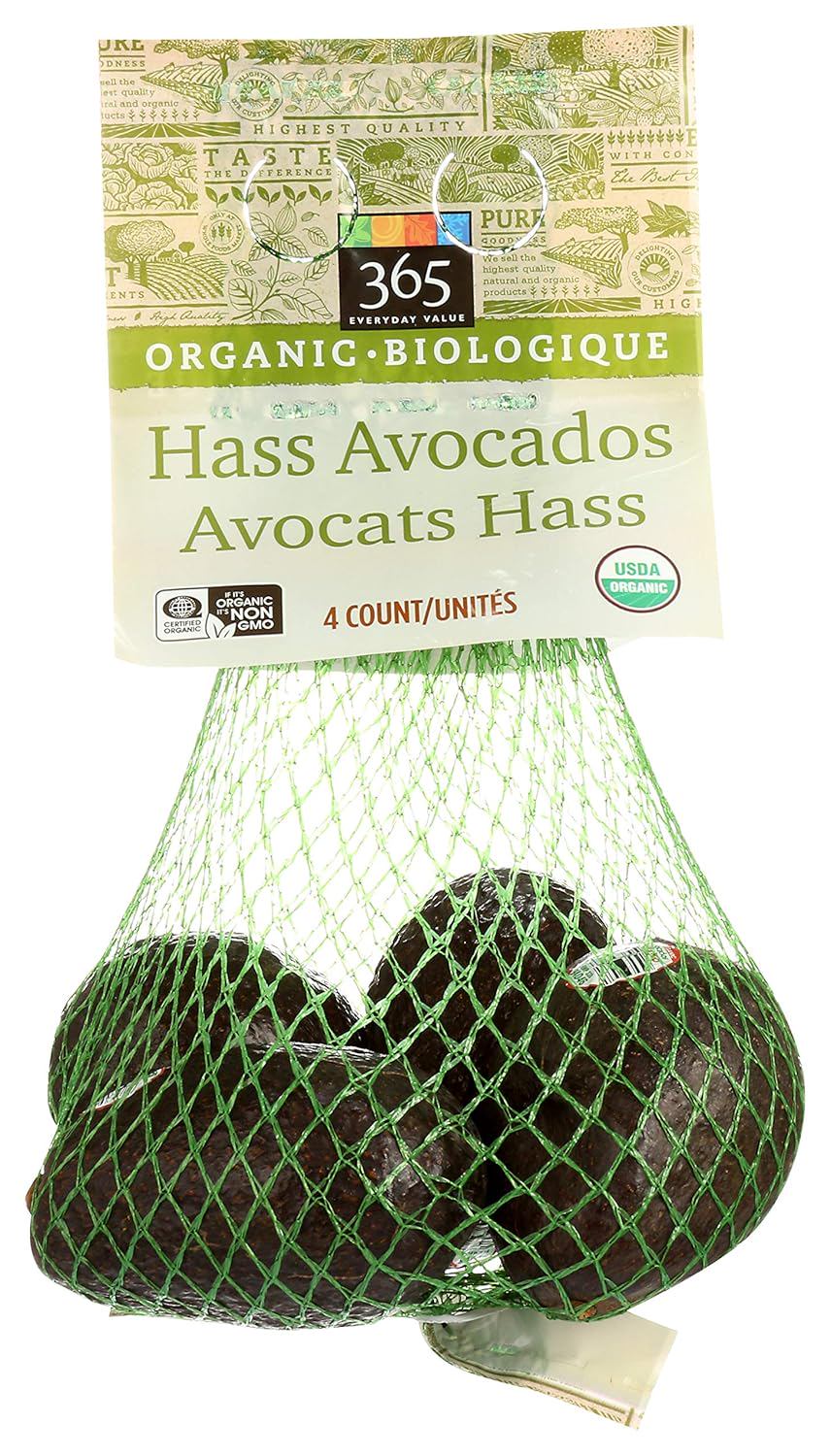
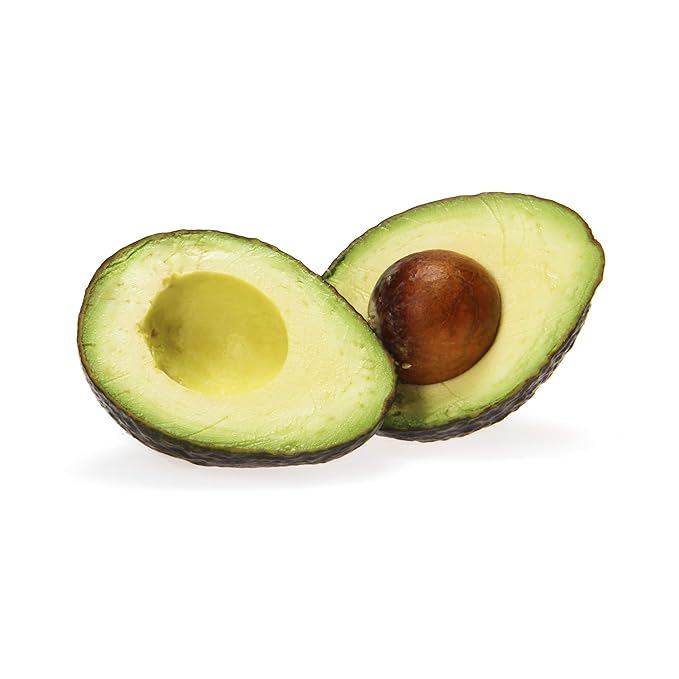
5. Avocado
Avocados are a unique source of healthy monounsaturated fats and vitamin E, a fat-soluble antioxidant that protects egg cell membranes from oxidative damage. They also provide potassium, which helps maintain proper fluid balance and nerve function — both important for overall endocrine health.
Vitamin E has been studied for its role in improving endometrial thickness and potentially supporting implantation. Half an avocado per day is a reasonable, nutrient-dense addition to a fertility-friendly diet.
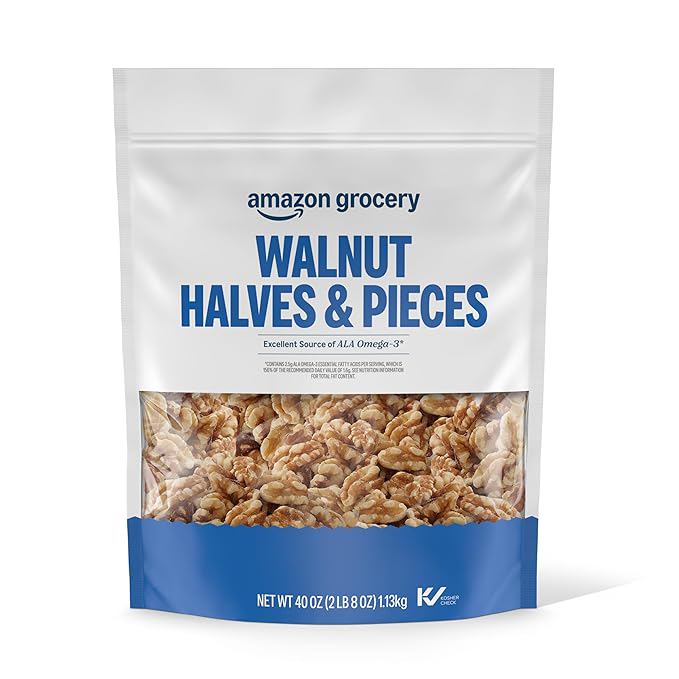
6. Walnuts
Walnuts are one of the few plant sources that contain significant amounts of omega-3 alpha-linolenic acid. They also offer copper, manganese, and biotin. In an animal study, walnut consumption was associated with improved sperm quality (in males), but for females, their anti-inflammatory properties and healthy fat profile make them a smart snack for ovulation support.
A small handful — about 1 ounce or 14 halves — makes for a satisfying snack that pairs well with fruit or yogurt. "Walnuts are an easy way to add more omega-3s to your day without any cooking required," a dietitian points out.
Putting it all together
These six foods work best when they're part of an overall pattern of eating that emphasizes whole foods, colorful vegetables, lean proteins, and healthy fats. No single food will fix ovulation issues, and underlying medical conditions like PCOS, thyroid disorders, or hypothalamic amenorrhea require professional medical care.
If you're actively trying to conceive or have irregular cycles, working with a registered dietitian who specializes in fertility can help you create a plan tailored to your needs. Simple, consistent dietary shifts — like adding full-fat dairy, fatty fish, leafy greens, beans, avocado, and walnuts — are a solid starting point for supporting healthy ovulation naturally.