
The modern workplace can drain more than just your energy. When you spend hours in meetings, staring at screens, and juggling deadlines, the link between what you eat and how you think often gets overlooked. A growing body of research suggests that certain foods can help stabilize your mood, sharpen your focus, and ease physical tension—supporting a stronger mind-body connection while you work.
Instead of reaching for another cup of coffee or a sugary snack when the afternoon slump hits, consider these six foods that are backed by nutrition science to support both your brain and your body during the workday.
1. Fatty fish for sustained focus
Salmon, mackerel, sardines, and trout are rich in omega-3 fatty acids—specifically EPA and DHA. These healthy fats are crucial for brain health. DHA is a structural component of brain cell membranes, and EPA helps reduce inflammation that can impair signaling between neurons. At work, this translates to better concentration, quicker recall, and a more stable mood throughout the day. Try adding a palm-sized portion of grilled salmon to your lunch salad or opting for sardines on whole-grain crackers for a midday snack.
2. Leafy greens to calm the nervous system
Spinach, kale, Swiss chard, and arugula are packed with magnesium. This mineral is often called the “relaxation mineral” because it helps regulate the stress response by supporting the production of GABA, a calming neurotransmitter. When your magnesium levels are low, even minor work stressors can feel overwhelming. A large handful of leafy greens in your lunch wrap, smoothie, or stir-fry can help keep your nerves steady and your mind clear during high-pressure tasks.
3. Berries for brain protection
Blueberries, strawberries, and blackberries are loaded with flavonoids—particularly anthocyanins—which cross the blood-brain barrier and accumulate in regions involved in learning and memory. These compounds combat oxidative stress and inflammation, two factors that accelerate cognitive decline and mental fatigue. A cup of mixed berries with breakfast or plain yogurt as a snack provides a steady supply of antioxidants that help protect your brain from the daily wear and tear of a demanding job.
4. Dark chocolate for a gentle energy lift
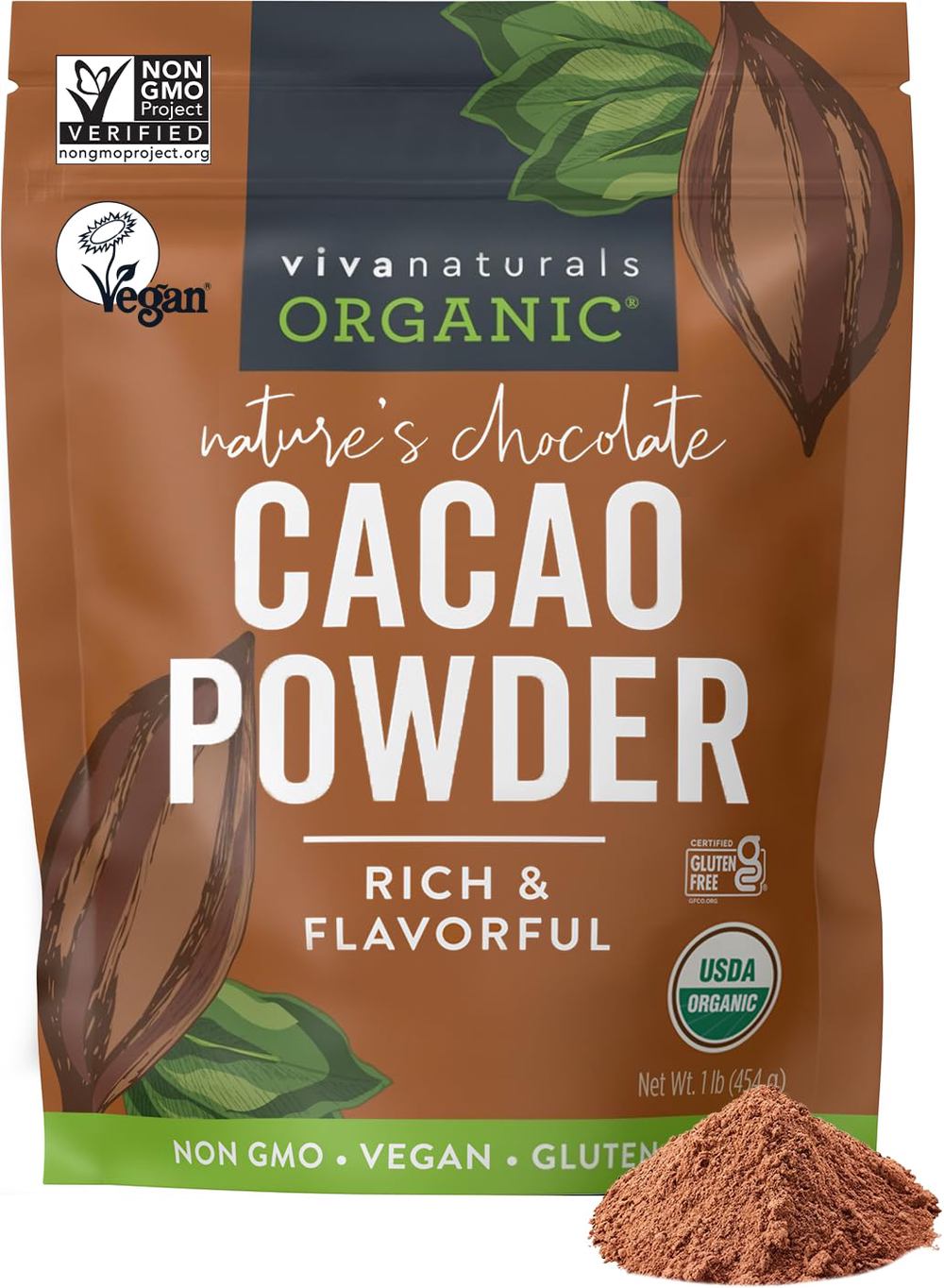
Dark chocolate with at least 70% cocoa content offers a triple benefit: a small amount of caffeine for alertness, theobromine for a smoother energy curve, and flavonoids that improve blood flow to the brain. Unlike the spike-and-crash cycle of sugary snacks, a square or two of dark chocolate can enhance focus and mood without jitters. It also contains compounds that boost serotonin and endorphin levels, which can help you stay positive and engaged during a long work session.
5. Nuts and seeds for steady energy
Walnuts, almonds, flaxseeds, and chia seeds are excellent sources of healthy fats, fiber, and plant-based protein. Their nutrient profile helps regulate blood sugar, preventing the energy dips that derail productivity. Walnuts, in particular, are high in alpha-linolenic acid (ALA), a plant-based omega-3 that supports brain function. A small handful of mixed nuts or a tablespoon of chia seeds in oatmeal can keep your blood sugar stable and your mental engine running smoothly for hours.
6. Fermented foods for gut-brain harmony
Yogurt, kefir, kimchi, sauerkraut, and kombucha contain live probiotics that support the gut microbiome. The gut and brain are connected through the vagus nerve, and a healthy gut lining is essential for producing mood-regulating neurotransmitters like serotonin—of which about 90% is made in the gut. Including a serving of fermented food in your daily routine, such as a small bowl of yogurt with berries or a side of kimchi with lunch, can improve digestion and support a more balanced emotional state at work.
How to weave these foods into your workday
You don't need a complete kitchen overhaul to benefit. A practical approach is to choose two or three of these foods and incorporate them into meals you already eat. For example, top your oatmeal with blueberries and walnuts, swap your mid-afternoon candy for a piece of dark chocolate, and add a handful of spinach to your lunch wrap. Small, consistent changes are more sustainable than a dramatic diet shift, and they compound over time to support your mental and physical resilience.
Note: Individual responses to foods vary. If you have a medical condition or are taking medication, consult with a healthcare professional before making significant dietary changes. This information is for general educational purposes and does not replace personalized medical advice.