
Teen years come with plenty of shifts—hormones, sleep schedules, social pressures, and academic demands. It's no wonder many parents wonder whether diet can play a role in stabilizing mood and sharpening focus. The short answer is yes, and dietitians point to several specific foods that may help.
Rather than chasing a single 'brain food,' the goal is to add variety that supports steady energy, neurotransmitter production, and blood sugar balance. Here are six dietitian-recommended foods that are backed by research and easy to work into a teen's daily routine.
1. Oily Fish (Salmon, Sardines, Mackerel)
Oily fish are among the top sources of omega-3 fatty acids, specifically DHA and EPA. These fats are integral to brain structure and function. Studies have found that low omega-3 levels are linked to a higher risk of mood disorders and attention difficulties in adolescents. A 2018 review in Translational Psychiatry noted that omega-3 supplementation showed benefits for mood and focus in some teen populations.
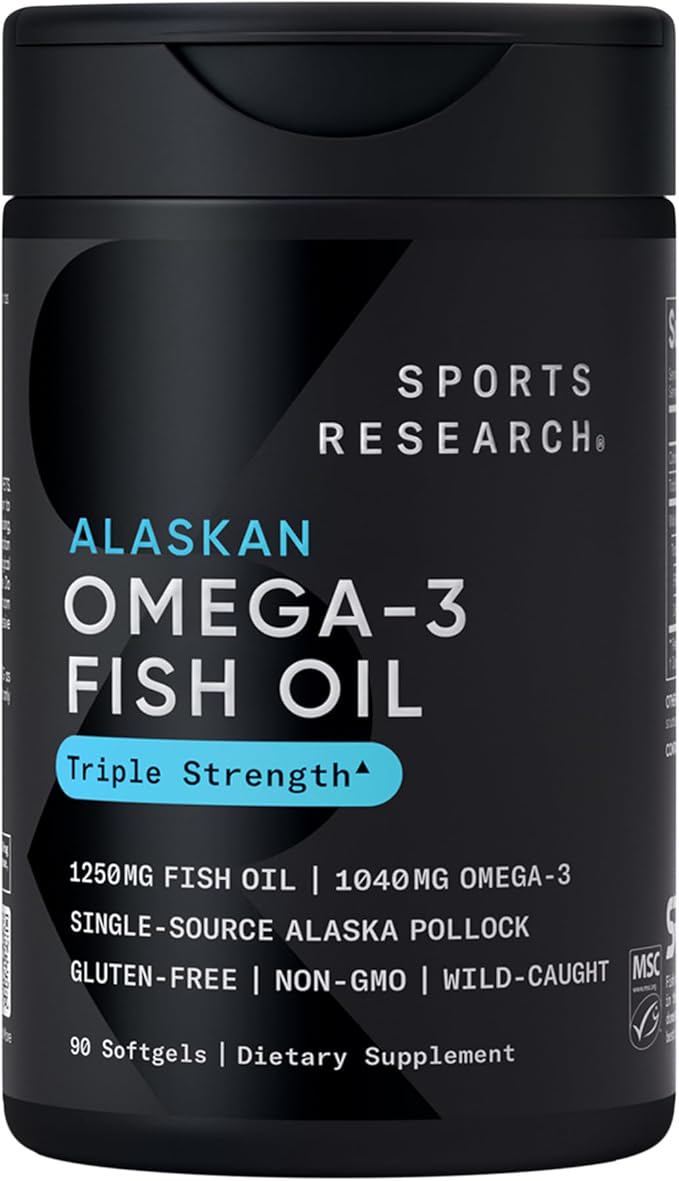
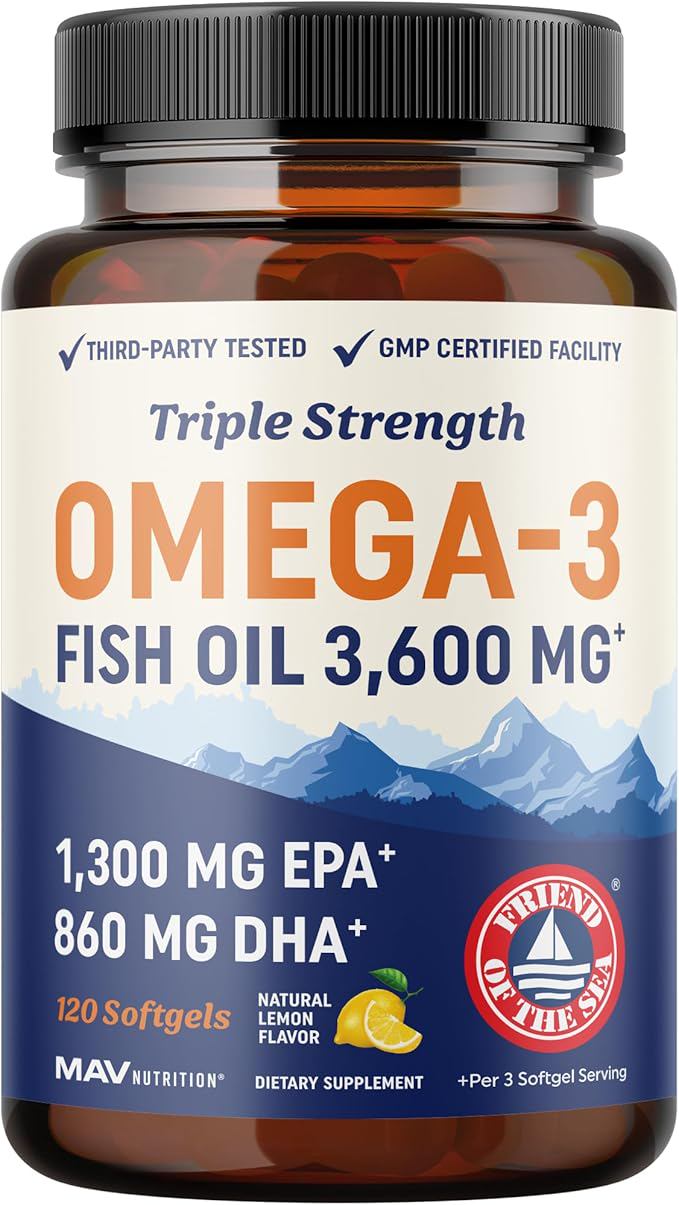
If your teen isn't a fan of fish, a dietitian may suggest a fish oil or algae-based supplement—but whole food sources also provide protein and vitamin D. Try salmon patties, sardines on crackers, or a simple baked salmon with a glaze your teen likes.
2. Eggs
Eggs contain choline, a nutrient that your body uses to produce acetylcholine—a neurotransmitter essential for memory and concentration. They also provide high-quality protein and B vitamins, including B12 and folate, which support energy levels and mental clarity.
Eggs are incredibly flexible: scrambled, in a breakfast burrito, or hard-boiled as a grab-and-go snack. Many teens find them more appetizing than other protein sources, especially in the morning when blood sugar and focus are often lowest.
3. Greek Yogurt and Fermented Foods
The gut-brain axis is a real thing. The gut microbiome produces many of the neurotransmitters that regulate mood, including serotonin. Probiotic-rich foods like Greek yogurt, kefir, sauerkraut, and kimchi can support a healthy gut environment, which may translate to more stable emotions and better concentration.
Choose plain yogurt with live active cultures to avoid excess added sugar. Let teens sweeten it with berries or a drizzle of honey. A single serving of Greek yogurt provides around 15–20 grams of protein, which helps stabilize blood sugar during long school hours.
4. Berries
Blueberries, strawberries, and blackberries are packed with flavonoids, especially anthocyanins. These antioxidants may improve blood flow to the brain and reduce inflammation. Some small studies suggest that flavonoid-rich diets are associated with better memory and slower cognitive decline—and these benefits may apply to younger brains too.
Frozen berries work just as well as fresh, and they can be added to smoothies, oatmeal, or even mixed into plain yogurt for a naturally sweet snack. They offer a dose of fiber that helps slow sugar absorption, preventing the energy crashes that affect focus.
5. Nuts and Seeds
Walnuts, almonds, flaxseeds, and pumpkin seeds are rich in vitamin E, magnesium, zinc, and healthy fats. Magnesium, in particular, is known for its role in stress regulation and sleep quality—both critical for a teenager's ability to focus during the day. Zinc supports neurotransmitter function and memory formation.
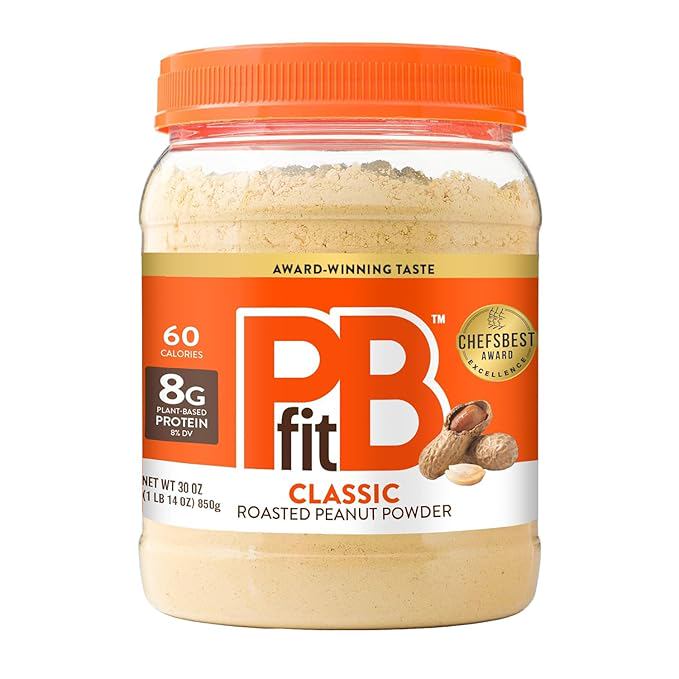
A small handful of walnuts or a sprinkle of seeds over a meal is an easy addition. Nut butters are another great option; just look for ones without added hydrogenated oils or excess sugar. Pair with apple slices or celery for a crunchy, satisfying snack.
6. Dark Leafy Greens (Spinach, Kale, Swiss Chard)
Dark greens provide folate, iron, and vitamin K. Iron deficiency is especially common in teens—particularly in menstruating adolescents—and can directly contribute to fatigue, poor concentration, and low mood. One study found that iron supplementation improved attention and verbal learning in teen girls with iron deficiency.
Even if your teen resists salads, incorporate greens into smoothies (a handful of spinach disappears into a berry-banana blend), soups, or scrambled eggs. Cooking them down reduces bulk and bitterness.
A quick note on balance: No single food will solve mood or focus issues. And diet is only one piece of the puzzle—sleep, exercise, stress management, and mental health support all matter. If you're concerned about your teen's mood, attention, or eating patterns, a conversation with a pediatrician or a registered dietitian can help provide personalized guidance.