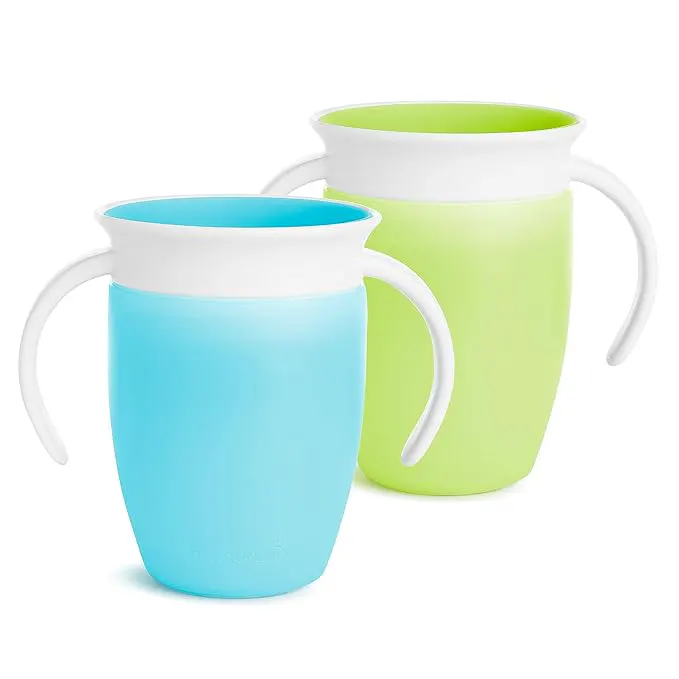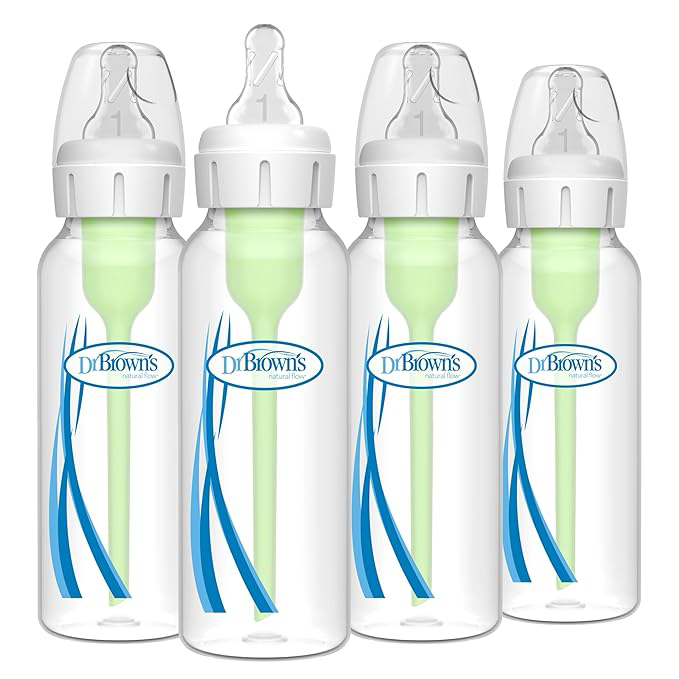

Many parents assume fruit juice is a healthy choice for their baby. It comes from fruit, after all, and kids often love the taste. Yet for infants under 12 months, the consensus among pediatric health organizations is clear: fruit juice should not be part of their diet. There are several well-founded reasons for this advice, ranging from nutritional shortcomings to developmental concerns.
What does fruit juice offer an infant nutritionally?
Whole fruit provides fiber, vitamins, and phytonutrients that juice lacks. When you juice fruit, the fiber is left behind. What remains is water and sugar — primarily fructose and sucrose — with only some vitamins. An infant under one year gets all the fluids and nutrients they need from breast milk or infant formula. By replacing even a small amount of milk with juice, you risk displacing vital calcium, fat, and protein required for rapid growth.
How does juice affect a baby's developing teeth and digestion?
Fruit juice is acidic and sugary. When an infant drinks juice, the sugars feed oral bacteria, creating an acid attack on tooth enamel. If a baby sips juice from a bottle or sippy cup throughout the day — or even just once daily — the risk of early childhood caries (severe cavities) rises sharply. In fact, pediatric dentists often see a pattern of decay in the upper front teeth that traces directly back to juice habits.
Digestion also suffers. Since infants have small stomachs and immature digestive systems, juice can cause osmotic diarrhea if too much sugar enters the gut at once. This wasn’t absorbed, it draws water into the bowel, leading to loose stools — and potential dehydration in a little body that can ill afford to lose fluids.
Would a tiny serving be okay just for the flavor or vitamins?
No. Even small amounts — as little as 2 to 4 ounces per day — carry the same risks of tooth decay and diarrhea in an infant. The American Academy of Pediatrics recommends waiting until a child is at least 1 year old before introducing juice, and even then only in limited quantities. For an infant, whole fruit — mashed or pureed — offers superior nutrition and safer sugar delivery with the fiber intact.
Could juice cause feeding problems in the long run?
Yes. When infants get used to the intense sweetness of fruit juice, they may become reluctant to accept plain water or less-sweet foods. This can set up picky eating habits and a lasting preference for sugary drinks over milk or water, a pattern linked to childhood obesity. The medical guidance is consistent: skip the juice entirely in the first year to protect teeth, digestion, and developing food preferences.
Bottom line: Infants under one do not need fruit juice for any reason. Breast milk or formula provides complete hydration and nutrition. If you want to give fruit, offer it whole and mashed — not as a drink.
Parents sometimes ask whether juice is helpful for constipation in babies. While prune juice has a mild laxative effect, pediatricians generally recommend other strategies first — such as pureed prunes, pears, or peaches, or a small amount of water (if the baby is older than 6 months). Juice should never be used to keep a baby hydrated during illness; oral rehydration solutions are the correct choice for that.
When you eventually do introduce juice after the first birthday, keep these rules in mind: serve no more than 4 ounces per day, offer it in an open cup (not a bottle), and avoid any drink labeled as a “fruit drink,” “cocktail,” or “punch,” as those contain added sugars and little real fruit. Even 100% juice offers no benefit over whole fruit at any age.
Ultimately, the expert-backed advice to avoid fruit juice for infants under 1 is about protecting their health at a critical stage. The short-term convenience of a quick drink is not worth the real risks of tooth decay, poor nutrition, and disrupted digestion. Stick with breast milk or formula as your baby’s sole beverage through the first 12 months, and save the juice for a much later date.