When the days grow short and the light fades, many of us feel a familiar shift. It’s more than just the winter blues; for some, it’s a significant dip in mood and energy known as seasonal affective disorder (SAD). While light therapy, movement, and professional support are foundational, what we put on our plates can also play a supportive role. Certain foods contain nutrients that are essential for brain chemistry, helping to build the raw materials our bodies use to regulate mood.
Think of it not as a cure, but as a form of nourishment for your nervous system. By choosing foods rich in specific vitamins, minerals, and healthy fats, you’re giving your body the tools it needs to better weather the seasonal shift.
How Can Food Influence Mood?
Our brain is a complex organ that relies on a steady stream of nutrients to function optimally. Neurotransmitters like serotonin and dopamine, which help regulate mood, sleep, and motivation, are built from compounds found in the foods we eat. For instance, the amino acid tryptophan is a precursor to serotonin, often called the “feel-good” chemical.
During darker months, when our routines and light exposure change, ensuring a consistent intake of these key nutrients becomes even more important. It’s a gentle, daily practice of supporting your internal environment.
Six Foods to Consider
Focus on incorporating these foods as part of a balanced, whole-foods diet. Variety is key, as each brings a different set of supportive nutrients to the table.
Fatty Fish
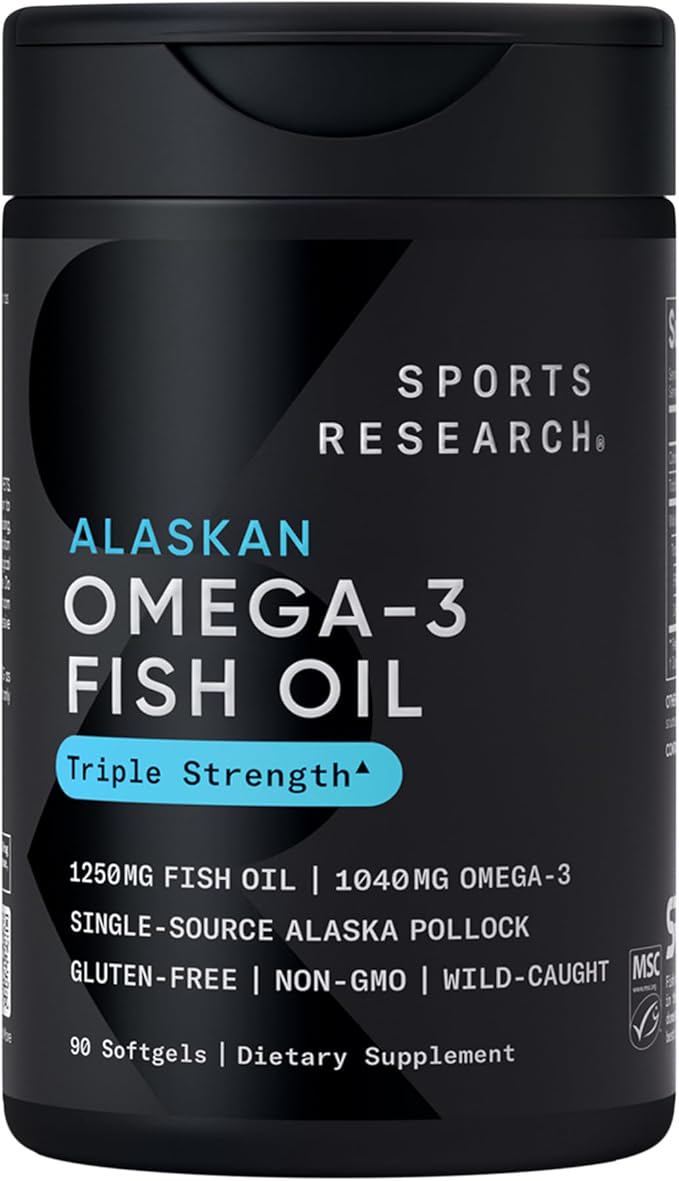
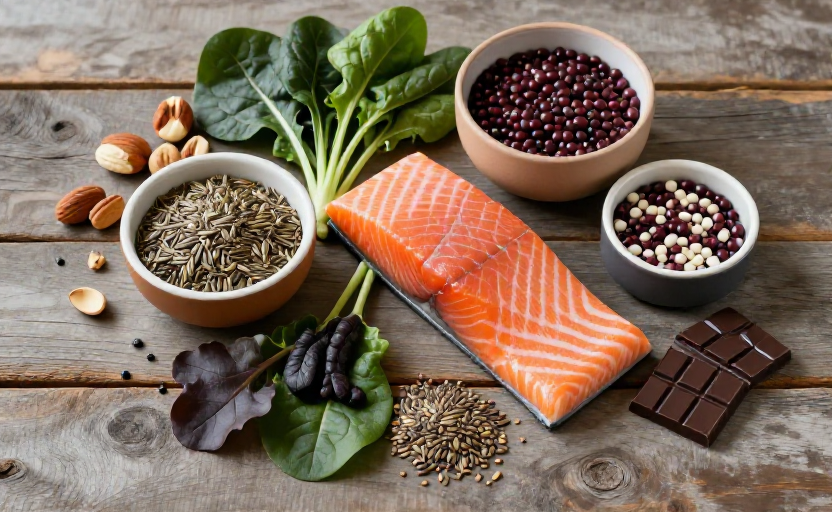
Salmon, mackerel, sardines, and herring are exceptional sources of omega-3 fatty acids, particularly EPA and DHA. These fats are crucial components of brain cell membranes and have been studied for their role in supporting cognitive function and emotional well-being. A diet rich in omega-3s helps maintain a healthy inflammatory response in the body, which is linked to overall brain health.
Aim for two servings of fatty fish per week to boost your intake of these essential fats.
Dark Leafy Greens
Spinach, kale, Swiss chard, and collard greens are packed with folate (vitamin B9). This vitamin is a key player in the production of neurotransmitters, including serotonin and dopamine. Low levels of folate have been associated with low mood. These greens are also rich in magnesium, a mineral that supports nerve function and can have a calming effect on the body.
Nuts and Seeds
A simple handful of walnuts, almonds, pumpkin seeds, or flaxseeds can be a powerful snack. Walnuts are one of the few plant sources rich in the omega-3 ALA. Pumpkin seeds are loaded with magnesium, zinc, and tryptophan. Zinc is another mineral involved in nerve signaling and brain function. They offer a satisfying crunch and a steady release of energy, which helps avoid blood sugar crashes that can worsen mood swings.
Legumes
Lentils, chickpeas, and black beans are excellent sources of complex carbohydrates and fiber. They help provide a slow, steady supply of glucose to the brain—its primary fuel source. This steady energy can prevent the irritability and fatigue that come from blood sugar dips. They are also rich in B vitamins and magnesium, supporting the biochemical pathways involved in mood regulation.
Fermented Foods
The connection between our gut and our brain, often called the gut-brain axis, is a vital area of research. Foods like yogurt with live cultures, kefir, kimchi, and sauerkraut contain beneficial probiotics. These help maintain a healthy gut microbiome, which in turn influences the production and regulation of neurotransmitters. A balanced gut environment is increasingly seen as foundational for emotional resilience.
Introduce fermented foods gradually if they’re new to your diet.
Dark Chocolate
Choosing dark chocolate with a high cocoa content (70% or more) can be a mindful treat. Cocoa contains flavonoids, antioxidants that may improve blood flow to the brain and have a mild uplifting effect. It also contains small amounts of magnesium and a compound called phenylethylamine, which can promote feelings of alertness and contentment. Enjoy a square or two, savoring it slowly.
Building a Supportive Plate
Instead of fixating on single “superfoods,” aim for a dietary pattern that consistently includes these elements. A lunch of leafy greens topped with salmon or lentils, a snack of yogurt with walnuts, or a dinner that includes a side of fermented vegetables are all practical ways to weave these foods into your day.
It’s also wise to be mindful of what you might limit. Highly processed foods, excess sugar, and refined carbohydrates can lead to energy spikes and crashes, potentially amplifying feelings of lethargy and irritability common in seasonal depression.
Remember, food is one piece of a larger puzzle. These dietary suggestions are meant to complement, not replace, other important strategies for managing seasonal mood changes, such as seeking natural light, maintaining social connections, engaging in gentle physical activity, and consulting a healthcare professional for personalized advice. Nourishing yourself well is a compassionate step toward feeling more steady and grounded, no matter the season.