An irregular menstrual cycle can be frustrating, uncomfortable, and sometimes worrying. While many factors influence cycle regularity—stress, sleep, exercise, and underlying health conditions—what you eat plays a surprisingly significant role. Dietitians point to specific foods that may help support hormonal balance and encourage a more predictable rhythm.
Below are six foods that may help regulate irregular cycles, backed by the input of registered dietitians who specialize in women's health.
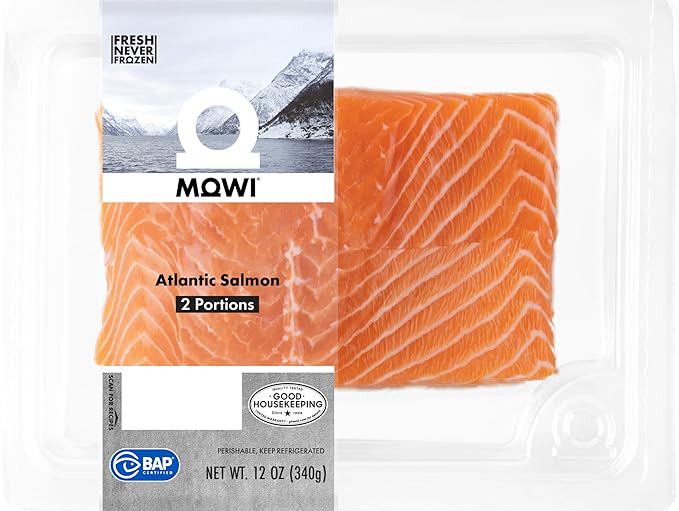
Fatty fish: A source of omega-3s for hormone production
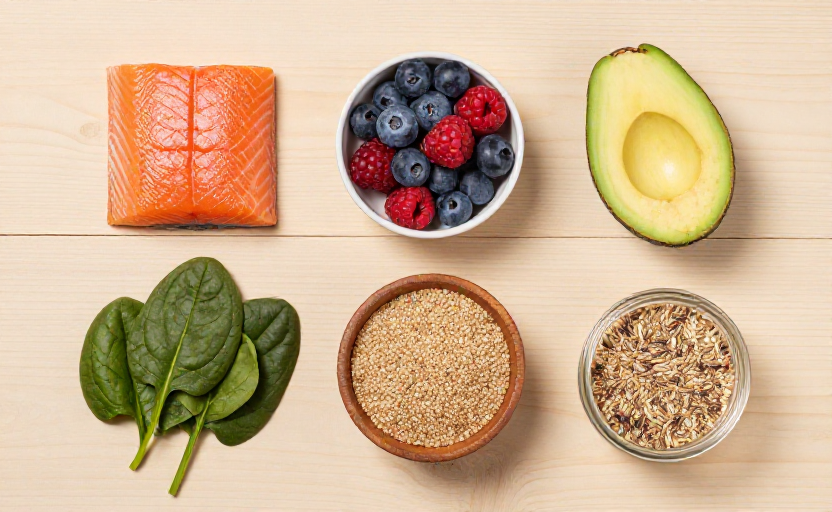
Fatty fish like salmon, mackerel, and sardines provide a concentrated source of omega-3 fatty acids. These healthy fats are essential for the body to produce prostaglandins, which help regulate inflammation and support the menstrual cycle. Research suggests that omega-3s may also help reduce the severity of period pain. Including two to three servings of fatty fish per week can bolster the body's ability to maintain balanced hormones, which is key for those with irregular cycles.
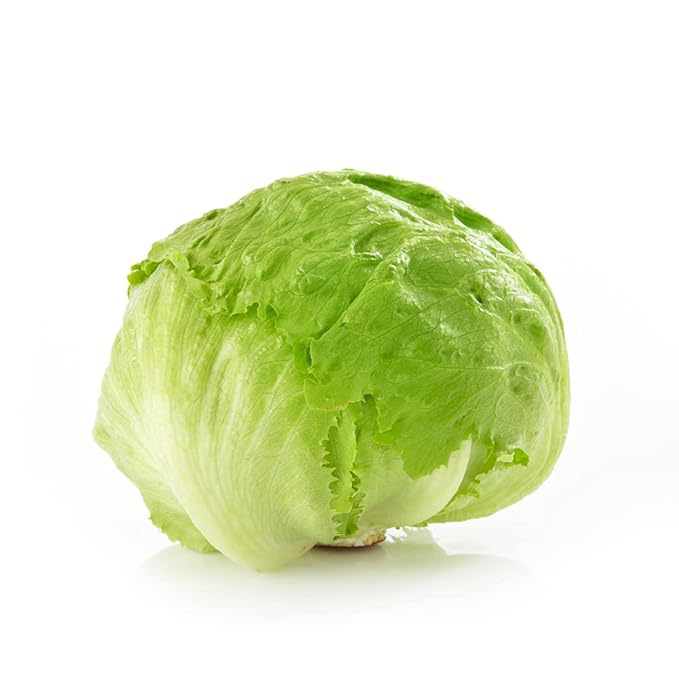
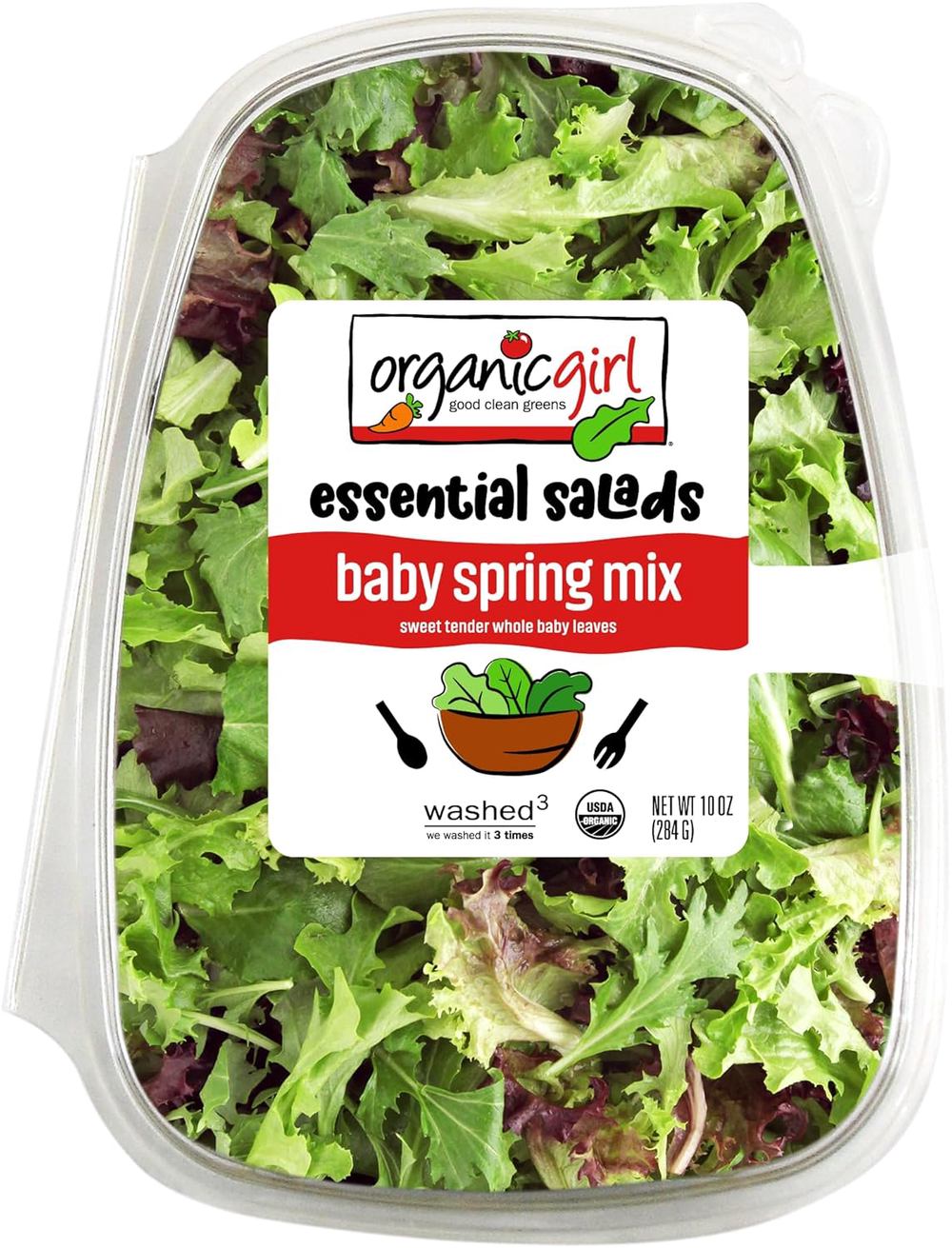
Leafy greens: Magnesium and iron for cycle support
Spinach, kale, Swiss chard, and other leafy greens are rich in magnesium and iron. Magnesium helps calm the nervous system and reduce cortisol, a stress hormone that can disrupt ovulation. Iron is especially important because heavy or irregular bleeding can deplete stores. These vegetables also deliver fiber, which aids in the elimination of excess estrogen through the digestive tract, promoting a more even hormonal landscape.
Whole grains: Steady blood sugar and better ovulation
Oats, quinoa, brown rice, and barley are examples of complex carbohydrates with a low glycemic index. They release energy slowly, helping to stabilize blood sugar levels. Sharp spikes and crashes in blood sugar can interfere with ovulation and cycle regularity. By replacing refined grains with whole grains, you provide your body with steady fuel and B vitamins that support hormone synthesis and energy production.
A note on fiber
Whole grains are also rich in fiber, which binds to old estrogen and removes it from the body. This hormonal clearance is particularly helpful for those with estrogen dominance, a common underlying cause of missed or delayed periods.
Seeds: A targeted approach for cycle phase support
Flaxseeds, pumpkin seeds, sesame seeds, and sunflower seeds are often recommended in a method called "seed cycling." While clinical studies are limited, seed cycling aligns with the idea of providing specific nutrients at different points of the cycle. Flaxseeds contain lignans that may help improve the ratio of estrogen metabolites. Pumpkin seeds are rich in zinc, which supports progesterone production. Sesame seeds also contain lignans, and sunflower seeds offer vitamin E and selenium. Adding a tablespoon or two of ground seeds to smoothies or oatmeal is an easy, whole-food strategy.
"Seed cycling is a gentle, supportive practice. It’s not a cure for serious conditions like PCOS, but it can be a useful piece of the puzzle for some women," notes one dietitian.
Berries and citrus: Antioxidants for ovarian health
Blueberries, strawberries, raspberries, oranges, and grapefruits are packed with vitamin C and antioxidants. These compounds help protect cells from oxidative stress, which can damage ovarian tissue and contribute to irregular ovulation. Vitamin C is also necessary for the absorption of iron, making the berries and citrus a smart pairing with iron-rich foods or supplements. Including a serving of these fruits daily is a simple step toward cycle support.
Avocado: Healthy fats to balance hormones
Avocados are rich in monounsaturated fats and vitamin E. Healthy fats are the building blocks of steroid hormones, including estrogen and progesterone. Without enough dietary fat, the body may not produce hormones in adequate amounts, leading to missed or delayed ovulation. Avocados also provide magnesium and potassium, which help with muscle relaxation and cramp relief during menstruation. Half an avocado a day makes a creamy addition to salads, toast, or smoothies.
Incorporating these six foods into a balanced diet—not as a prescription, but as part of a broader wellness approach—may help smooth out an irregular cycle over time. Remember that diet alone may not resolve underlying medical conditions such as PCOS, thyroid disorders, or hypothalamic amenorrhea. It is always wise to work with a healthcare provider to understand personal causes before making major changes.