For many, the arrival of a menstrual period brings a familiar, unwelcome guest: cramps. That dull ache or sharp, gripping pain in the lower abdomen can derail a day, making you want to curl up and wait it out. While over-the-counter pain relievers are a common go-to, the foods you eat can also play a supportive role in managing discomfort. Nutrition isn't a magic cure, but certain foods contain compounds that may help ease inflammation, relax muscles, and provide the nutrients your body needs during this phase of your cycle.
We spoke with dietitians to understand which foods might offer relief. The key is focusing on whole foods rich in specific minerals, fatty acids, and antioxidants that target the physiological processes behind cramping. Here’s a closer look at six dietary allies that could help you find a bit more comfort.
How can food actually ease period cramps?
Menstrual cramps, or dysmenorrhea, are primarily caused by prostaglandins—hormone-like compounds that trigger uterine contractions to help shed the lining. Higher levels of certain prostaglandins are linked to more intense, painful contractions and inflammation. The logic behind nutritional support is twofold: some foods provide nutrients that may help moderate this inflammatory process, while others offer minerals that support muscle relaxation and nerve function.
Think of food as a foundational layer of support. It’s about consistently nourishing your body with anti-inflammatory nutrients, not seeking a single ‘miracle’ bite when pain strikes.
Foods to focus on for cramp relief
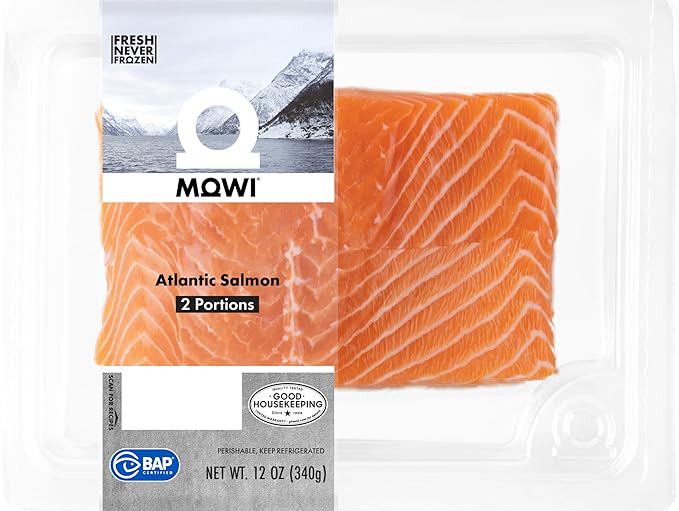
Fatty fish like salmon and sardines
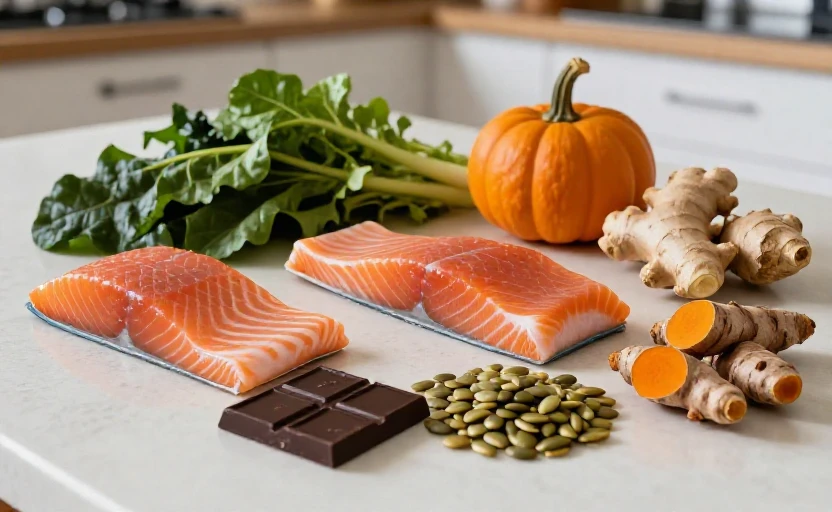
Salmon, mackerel, sardines, and anchovies are rich in omega-3 fatty acids, specifically EPA and DHA. These are powerful anti-inflammatory agents. Research suggests that omega-3s can help reduce the production of pro-inflammatory prostaglandins. A study published in the journal Complementary Therapies in Medicine found that women who supplemented with omega-3s experienced a significant reduction in menstrual pain compared to those who took a placebo.
Incorporating fatty fish into your meals a few times a week, especially in the days leading up to your period, can help build up these beneficial fats in your system.
Dark leafy greens: spinach, kale, and Swiss chard
These vegetables are nutritional powerhouses for menstrual health. They are excellent sources of magnesium, a mineral that acts as a natural muscle relaxant. Magnesium helps calm the smooth muscles of the uterus, potentially easing the intensity of contractions. Additionally, leafy greens are packed with iron, which is crucial for replenishing iron lost through menstrual blood, helping to combat fatigue.
They also provide a good amount of calcium. Some studies indicate that adequate calcium intake can help reduce water retention, mood swings, and pain associated with PMS and menstruation.
Ginger
This pungent root is more than a stomach soother. Ginger possesses potent anti-inflammatory and analgesic (pain-relieving) properties, largely due to compounds like gingerol. A meta-analysis of studies concluded that ginger was as effective as common non-steroidal anti-inflammatory drugs (NSAIDs) like ibuprofen in reducing menstrual pain severity, with fewer side effects.
You can steep fresh ginger slices in hot water for tea, grate it into stir-fries, or blend it into smoothies. Its warming quality can feel particularly comforting during cramps.
Dark chocolate (70% cacao or higher)
Here’s a comforting inclusion. High-quality dark chocolate is a source of magnesium, which, as mentioned, aids muscle relaxation. It also contains iron and antioxidants called flavonoids, which have anti-inflammatory effects. The key is to choose varieties with a high percentage of cacao (70% or more) to maximize these benefits and minimize added sugar, which can promote inflammation.
A small square or two can satisfy a sweet craving while providing nutrients that support your body—a far better choice than reaching for sugary snacks that may exacerbate inflammation.
Pumpkin seeds and other nuts
Pumpkin seeds are a standout snack for menstrual health. They are one of the best food sources of magnesium and are also rich in zinc, a mineral that supports immune function and may help regulate prostaglandin production. Almonds and cashews are also excellent sources of magnesium and provide healthy fats and protein, helping to stabilize blood sugar and energy levels, which can dip during your period.
Keeping a small container of pumpkin seeds or mixed nuts at your desk or in your bag makes for an easy, cramp-fighting snack.
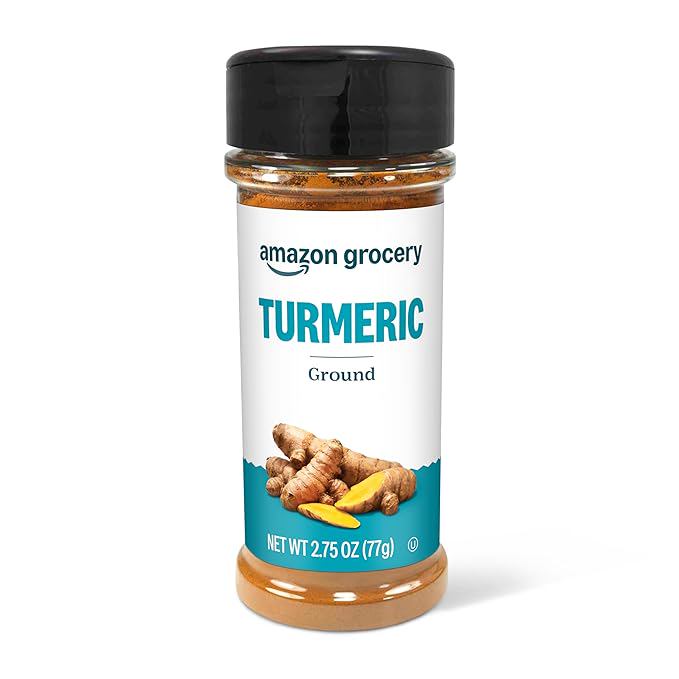
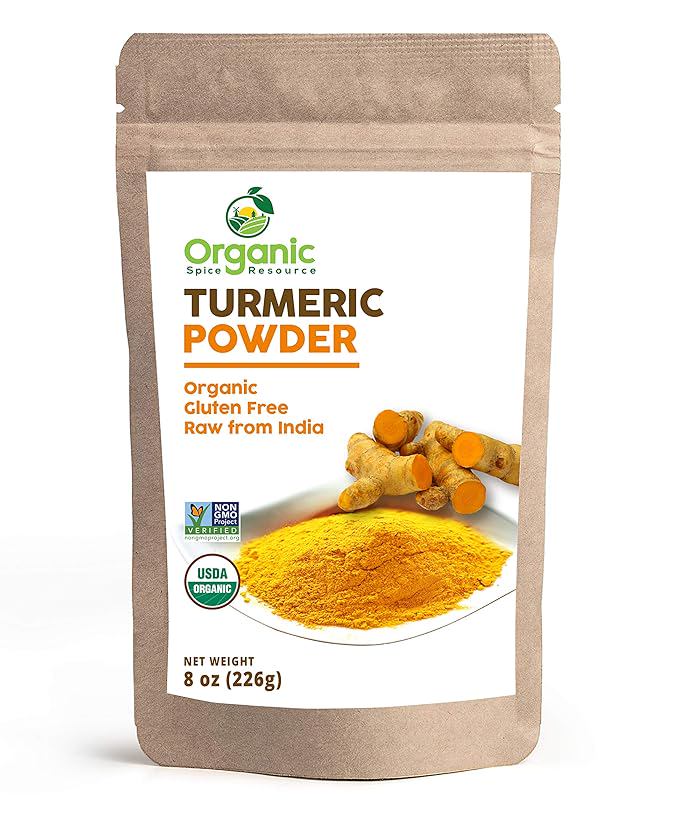
Turmeric
The vibrant yellow spice turmeric contains curcumin, a compound with well-documented anti-inflammatory properties. Curcumin works by inhibiting the enzymes and cytokines that drive inflammation in the body, which may help dampen the inflammatory aspect of menstrual cramps. Adding black pepper to turmeric (which contains piperine) significantly enhances the body’s absorption of curcumin.
Incorporate turmeric into curries, soups, golden milk lattes, or even scrambled eggs. It’s a flavorful way to add an anti-inflammatory boost to your diet.
Foods and habits to approach with caution
While adding supportive foods is helpful, it’s also wise to be mindful of items that might worsen cramps for some people. Highly processed foods, those with excessive added sugar, and salty snacks can promote inflammation and bloating. Caffeine and alcohol are also common culprits; both can act as diuretics, potentially leading to dehydration, which may intensify cramping for some individuals. Alcohol can also disrupt hormone regulation.
Listening to your body is essential. If you notice certain foods seem to make your symptoms feel worse in the days before or during your period, it may be worth limiting them during that window.
Building a supportive diet pattern
The goal isn’t to rigidly consume only these six foods, but to weave them into a balanced, nutrient-dense eating pattern. A diet consistently rich in fruits, vegetables, whole grains, lean proteins, and healthy fats provides a broad spectrum of vitamins, minerals, and antioxidants that support overall hormonal balance and reduce systemic inflammation.
Staying well-hydrated with water is also critical, as dehydration can make muscle cramps of any kind feel more intense. Pairing these dietary strategies with gentle movement, like walking or yoga, and heat therapy (a trusty heating pad) can create a holistic approach to managing menstrual discomfort.
Remember, if your cramps are severe and significantly impact your life, it’s important to consult with a healthcare provider to rule out conditions like endometriosis or fibroids and to discuss all available management options.