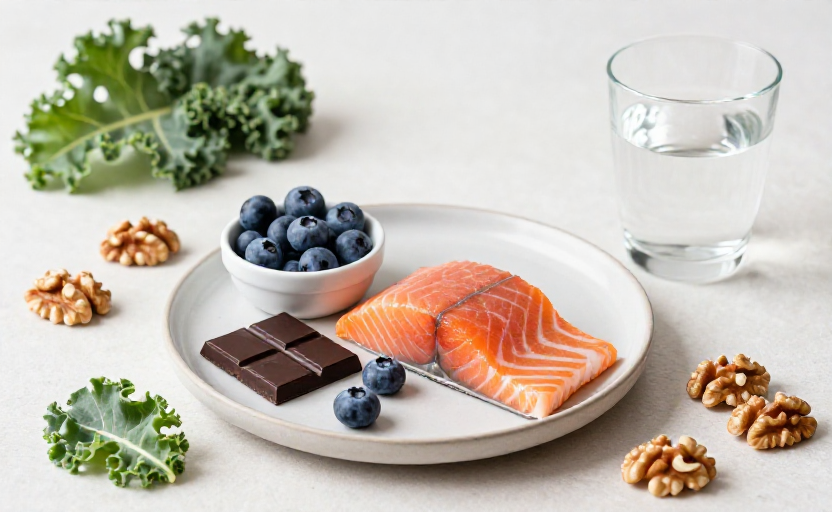
Existential dread — that vague, heavy sense of unease about life’s meaning, mortality, or your place in the world — can feel impossible to shake. While no single meal will resolve a philosophical crisis, emerging research and clinical experience suggest that certain foods may help steady your mood, quiet anxious thoughts, and support the brain chemistry that underlies resilience. We asked registered dietitians which foods they recommend to clients who report feeling untethered or overwhelmed by big existential questions. Here are six that made the list.
Fatty Fish
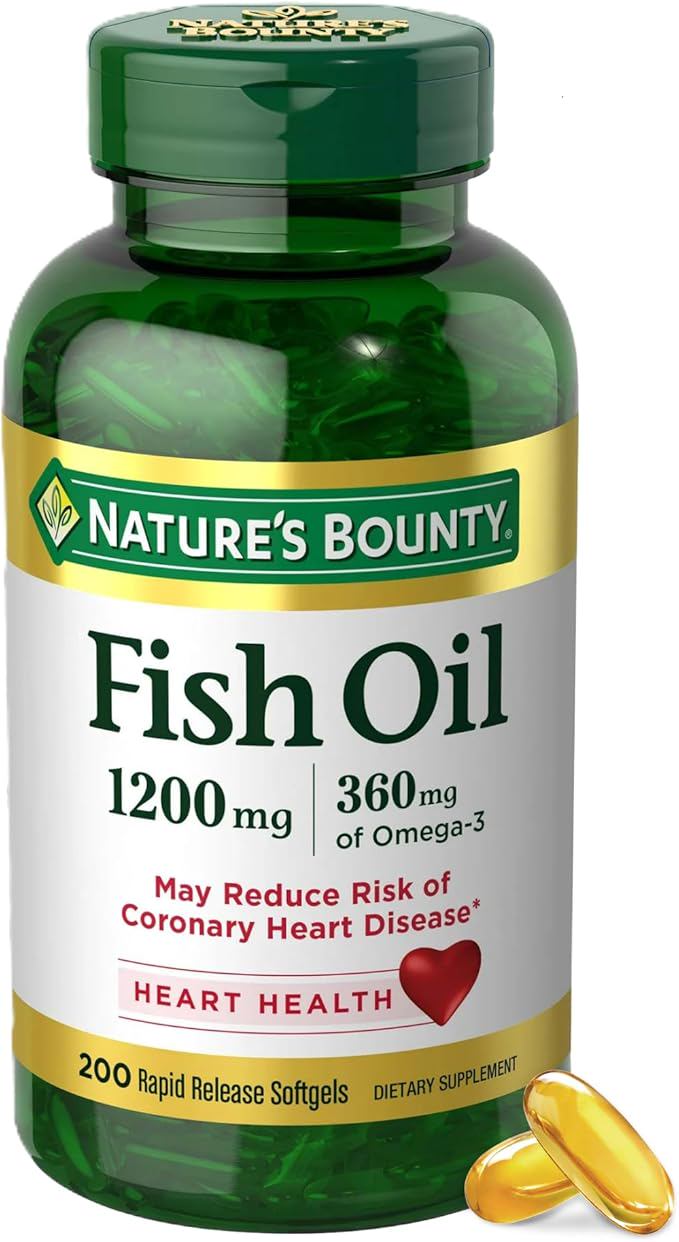
Salmon, mackerel, sardines, and other cold-water fish are rich in omega-3 fatty acids, particularly EPA and DHA. Dietitians point to a growing body of evidence linking omega-3 intake to lower rates of depression and anxiety. These fats help regulate neurotransmitters like serotonin and dopamine, which influence mood and motivation. For someone grappling with feelings of meaninglessness, even a modest improvement in baseline mood can create space for more grounded thinking.
"The brain is about 60 percent fat, and it relies on omega-3s to build cell membranes and facilitate communication between neurons," explains one dietitian. "Deficiencies have been tied to mood disorders, so ensuring adequate intake is a low-risk step."
Aim for two servings of fatty fish per week. Canned options like sardines or salmon work just as well as fresh, making this an accessible strategy.
Dark Leafy Greens
Spinach, kale, Swiss chard, and collard greens are dense in folate, a B vitamin that plays a role in producing mood-regulating neurotransmitters. Low folate levels have been consistently linked with depression, and some studies suggest that people with higher dietary folate intake report better emotional well-being. Dietitians note that folate works synergistically with other B vitamins to support the nervous system.
For someone feeling existential malaise, steadying the biochemical underpinnings of mood can feel like building a foundation. Leafy greens are also rich in magnesium, which may help calm the nervous system and reduce the physical sensations of anxiety that often accompany dread.
Fermented Foods
Sauerkraut, kimchi, yogurt, kefir, and miso contain live probiotics that influence the gut-brain axis. The gut microbiome produces about 90 percent of the body's serotonin, the neurotransmitter often called the "feel-good" chemical. Dietitians emphasize that a healthy gut ecosystem doesn't erase existential concerns, but it may reduce the physiological noise — bloating, fatigue, brain fog — that makes those concerns harder to manage.
"When your gut is inflamed or imbalanced, it sends stress signals to the brain via the vagus nerve," one dietitian says. "That can amplify feelings of overwhelm. Fermented foods help quiet that signal."
Start with a small serving of yogurt or a spoonful of sauerkraut per day. Variety matters more than quantity.
Dark Chocolate
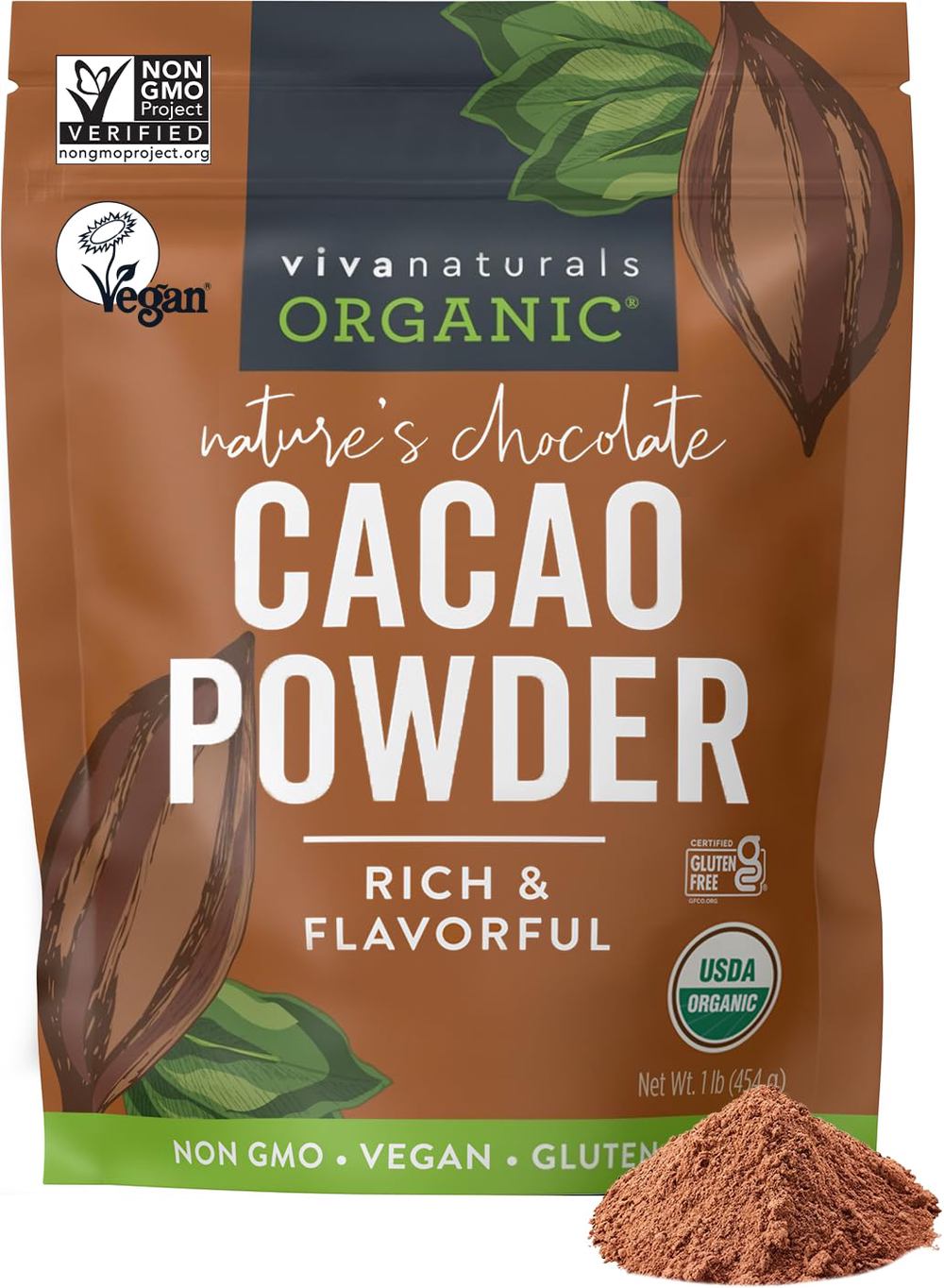
Dark chocolate (at least 70 percent cacao) is a source of flavonoids, antioxidants that improve blood flow to the brain and may enhance cognitive function and mood. It also contains small amounts of compounds that stimulate the production of endorphins and serotonin. Dietitians caution that chocolate isn't a cure, but it can offer a brief, comforting sensory experience — the kind of small anchor that helps when a person feels adrift.
"There's something about the ritual of eating a square of high-quality dark chocolate — the taste, the texture, the pause — that can bring you back into the present moment," notes one expert. "Presence is often the antidote to existential dread."
Stick to one or two squares per serving to keep sugar and calories in check.
Nuts and Seeds
Walnuts, almonds, flaxseeds, and pumpkin seeds are rich in zinc, magnesium, and healthy fats — all of which support brain health. Zinc deficiency, in particular, has been linked to depressive symptoms and cognitive decline. Dietitians recommend a small handful of nuts or a tablespoon of ground flaxseed as an easy addition to oatmeal, salads, or smoothies.
These foods also provide steady energy, which helps prevent the blood-sugar crashes that can mimic or worsen feelings of anxiety and hopelessness. When your body feels stable, your mind has a better chance of finding its footing.
Berries
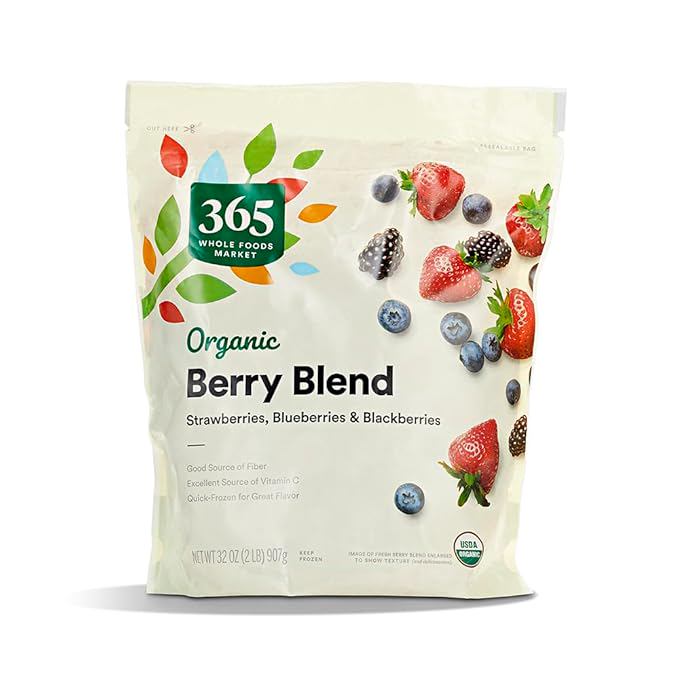
Blueberries, strawberries, raspberries, and blackberries are packed with antioxidants that fight oxidative stress and inflammation — both of which are elevated in people with mood disorders. Research suggests that a diet rich in flavonoids (abundant in berries) is associated with lower rates of depression and better cognitive function over time.
Dietitians highlight berries as a practical, low-effort way to support overall brain health. "When you're in a state of existential dread, even small tasks can feel monumental," one says. "Frozen berries are just as nutritious as fresh, so you can toss them into yogurt or a smoothie without any prep."
Existential dread is a normal part of being human — it reflects a mind that's asking big questions. While food alone won't answer those questions, nourishing your body with these six foods may help create the biochemical and emotional stability needed to sit with uncertainty and eventually move through it. If feelings of dread persist or worsen, consider speaking with a mental health professional.