Your pancreas doesn't get the same spotlight as your heart or brain, but this small organ tucked behind your stomach works quietly every day. It produces enzymes that help digest food and hormones like insulin that regulate blood sugar. When the pancreas becomes overworked or inflamed—often due to dietary patterns—the risk for type 2 diabetes climbs.
While no single food is a magic shield, research consistently points to certain foods that support pancreatic health and help maintain stable glucose levels. The goal is not about eating one "superfood" but about building a pattern of eating that reduces chronic inflammation, avoids blood sugar spikes, and eases the workload on the pancreas over time.
Below are six foods that show genuine promise for protecting pancreatic function and lowering diabetes risk. These are not strict prescriptions—think of them as building blocks for a pancreas-friendly eating style.
1. Dark leafy greens
Spinach, kale, Swiss chard, and collard greens are rich in magnesium, a mineral that plays a direct role in insulin secretion and glucose metabolism. Low magnesium levels are linked to higher diabetes risk, and deficiency can worsen insulin resistance. A cup of cooked spinach provides about 40 percent of the daily magnesium target.
These greens also deliver vitamin K, folate, and a range of antioxidants that protect cells in the pancreas from oxidative damage. Aim for at least one serving of dark leafy greens per day, preferably steamed, sautéed with olive oil, or blended into a smoothie.
2. Fatty fish
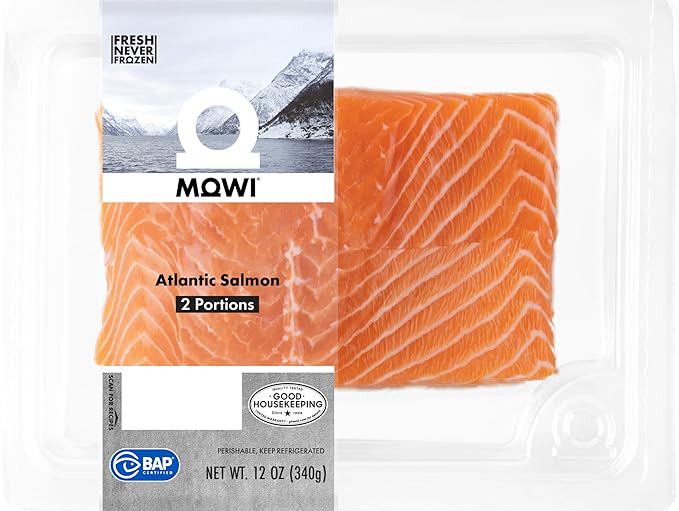
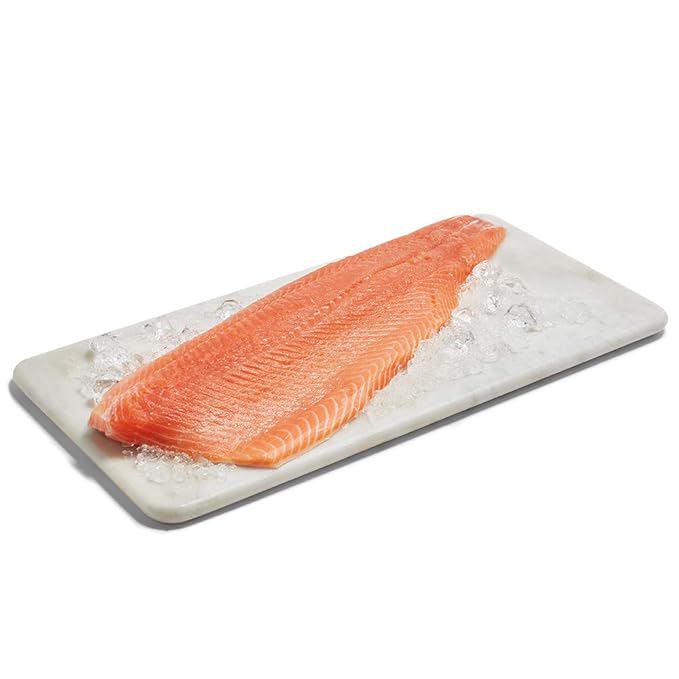
Salmon, sardines, mackerel, and trout provide long-chain omega-3 fatty acids—EPA and DHA—that reduce systemic inflammation. Since chronic low-grade inflammation is a key driver of pancreatic beta-cell dysfunction, adding fatty fish twice per week can be a meaningful step.
A 2020 meta-analysis in the journal Nutrients found that higher fish consumption was associated with a lower risk of type 2 diabetes, especially when fish replaced red or processed meats. Omega-3s also support healthy triglyceride levels, which matter because high triglycerides can directly impair pancreatic function.
3. Walnuts and flaxseeds
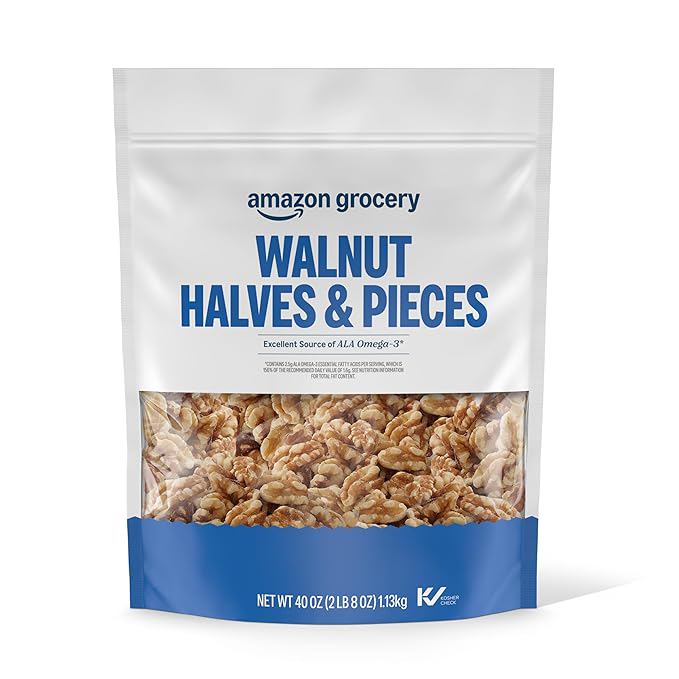
Tree nuts and seeds are excellent sources of polyunsaturated fats, fiber, and alpha-linolenic acid (ALA), a plant-based omega-3. Walnuts, in particular, have been studied for their role in improving glycemic control. A 2019 randomized trial showed that people with type 2 diabetes who ate about 30 grams of walnuts daily for one year had significant improvements in fasting insulin levels compared with a control group.
Flaxseeds offer lignans and soluble fiber, which slow carbohydrate absorption and prevent rapid glucose rises. Grind flaxseeds before eating—whole seeds pass through undigested—and keep portions to one to two tablespoons per day.
4. Berries
Blueberries, strawberries, raspberries, and blackberries are among the highest-antioxidant fruits. Their deep colors come from anthocyanins, compounds that protect pancreatic beta-cells from oxidative stress and improve insulin sensitivity.
A study in the Journal of Nutrition reported that consuming one cup of blueberries daily for six weeks improved insulin sensitivity in insulin-resistant adults. Berries also provide fiber and have a relatively low glycemic load compared with most fruits. Frozen berries work just as well as fresh, which makes year-round inclusion easy.
5. Legumes
Beans, lentils, chickpeas, and peas are rich in both soluble fiber and resistant starch, two carbohydrates that blunt blood sugar spikes. A 2022 systematic review in Advances in Nutrition concluded that replacing refined grains or animal protein with legumes significantly lowered fasting glucose and HbA1c in people at risk for type 2 diabetes.
Legumes also supply protein and micronutrients like zinc and selenium, which support pancreatic enzyme production and antioxidant defenses. Canned beans are fine—just rinse them to reduce sodium by roughly 40 percent.
6. Turmeric
The bright yellow spice contains curcumin, a compound with strong anti-inflammatory and antioxidant effects. Curcumin has been shown to reduce markers of pancreatic inflammation and improve beta-cell function in small human trials and animal models.
A 2020 study in Frontiers in Pharmacology noted that curcumin supplementation improved insulin sensitivity and reduced inflammatory cytokines in prediabetic adults. While you can add turmeric to curries, soups, and rice dishes, pairing it with black pepper (which contains piperine) increases absorption by up to 2,000 percent.
Putting it together
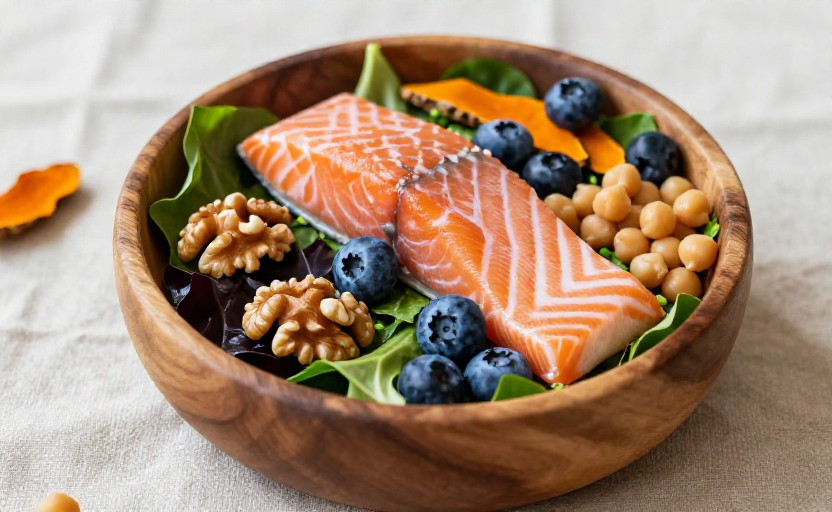
Protecting the pancreas does not require a rigid meal plan. A simple approach is to build meals around a lean protein (fish, legumes, or poultry), a generous portion of vegetables (especially greens), a small serving of whole grains or starchy vegetables, and a flavor addition like turmeric or garlic. Finish with a handful of berries or walnuts for dessert.
Consistency matters more than perfection. Eating these foods most days, in realistic portions, is what makes a difference over years—not extremes in a single week.
If you have prediabetes, type 2 diabetes, or a family history of pancreatic disease, discuss dietary changes with a healthcare provider or registered dietitian. These foods are not a substitute for medication or medical monitoring, but they can form the foundation of a diet that gives the pancreas the support it needs to keep working well.