
A gestational diabetes diagnosis can feel overwhelming, especially when you're already navigating the ups and downs of pregnancy. The good news is that you don't have to choose between managing your blood sugar and feeding yourself and your baby the nutrients you both need. In fact, the right foods can do both.
Rather than focusing on restriction, a gestational diabetes diet works best when it centers on foods that naturally stabilize blood glucose while providing essential vitamins, minerals, and fiber. Here are six foods that help manage gestational diabetes without sacrificing nutrition — each chosen for their dual role in blood sugar control and maternal health.
1. Lentils and Beans
Legumes are a powerhouse for gestational diabetes. Lentils, chickpeas, and black beans are rich in both protein and soluble fiber, which work together to slow digestion and prevent the sharp blood sugar spikes that can follow a carbohydrate-heavy meal. The American Diabetes Association recommends legumes as part of a diabetes-friendly diet because they have a low glycemic index and a high nutrient density.
In a pregnancy context, the folate content is especially valuable for fetal neural development, while iron helps prevent anemia. Try adding cooked lentils to soups or salads, or mashing black beans into a spread for whole-grain toast.
2. Fatty Fish like Salmon
Salmon, sardines, and mackerel offer a powerful combination of high-quality protein and omega-3 fatty acids, particularly DHA. DHA is critical for your baby's brain and eye development, and it also supports your own mood and inflammatory response. From a blood-sugar perspective, the protein in salmon promotes satiety and minimizes the glucose rise from any accompanying carbohydrates.
Aim for two servings of low-mercury fish per week. Canned salmon or light tuna are budget-friendly options with a good safety profile during pregnancy.
Grilled salmon can be served with roasted non-starchy vegetables for a balanced meal that satisfies without requiring complex planning.
3. Nuts and Nut Butters
Almonds, walnuts, and natural peanut butter are dense in healthy monounsaturated and polyunsaturated fats, magnesium, and vitamin E. These nutrients are important for fetal growth, and the fat-protein-carbohydrate composition of nuts creates a slow, steady release of glucose into the bloodstream.
A small handful of almonds or a spoonful of no-sugar-added peanut butter with an apple can anchor a mid-morning or afternoon snack. Portion control matters here — a serving size of nuts is about one ounce, roughly 23 almonds. Overeating can add excess calories that complicate weight management during pregnancy.
4. Leafy Greens and Cruciferous Vegetables
Spinach, kale, broccoli, and Brussels sprouts are low in carbohydrates but rich in folate, calcium, fiber, and antioxidants. Their low glycemic load means they have minimal impact on blood sugar, so you can eat generous portions without worry.
Pairing leafy greens with a source of healthy fat, like a drizzle of olive oil or sliced avocado, can improve the absorption of fat-soluble vitamins such as vitamin K and beta-carotene. A spinach salad topped with grilled chicken and a vinaigrette is an easy lunch that delivers on both nutrition and blood sugar stability.
5. Plain Greek Yogurt
Plain, unsweetened Greek yogurt is a standout for gestational diabetes because it offers a high concentration of protein — roughly twice as much as regular yogurt — along with calcium and probiotics. The protein and fat content help blunt the glycemic response to carbohydrates you eat alongside it.
Probiotics may also play a role in improving insulin sensitivity during pregnancy, though research is still emerging. Skip flavored yogurts, which often contain added sugars. Instead, sweeten plain yogurt naturally with a few berries or a sprinkle of cinnamon. One cup of Greek yogurt can also serve as a great base for overnight oats made with chia seeds and a tablespoon of nut butter.
6. Berries (not all fruit is equal)
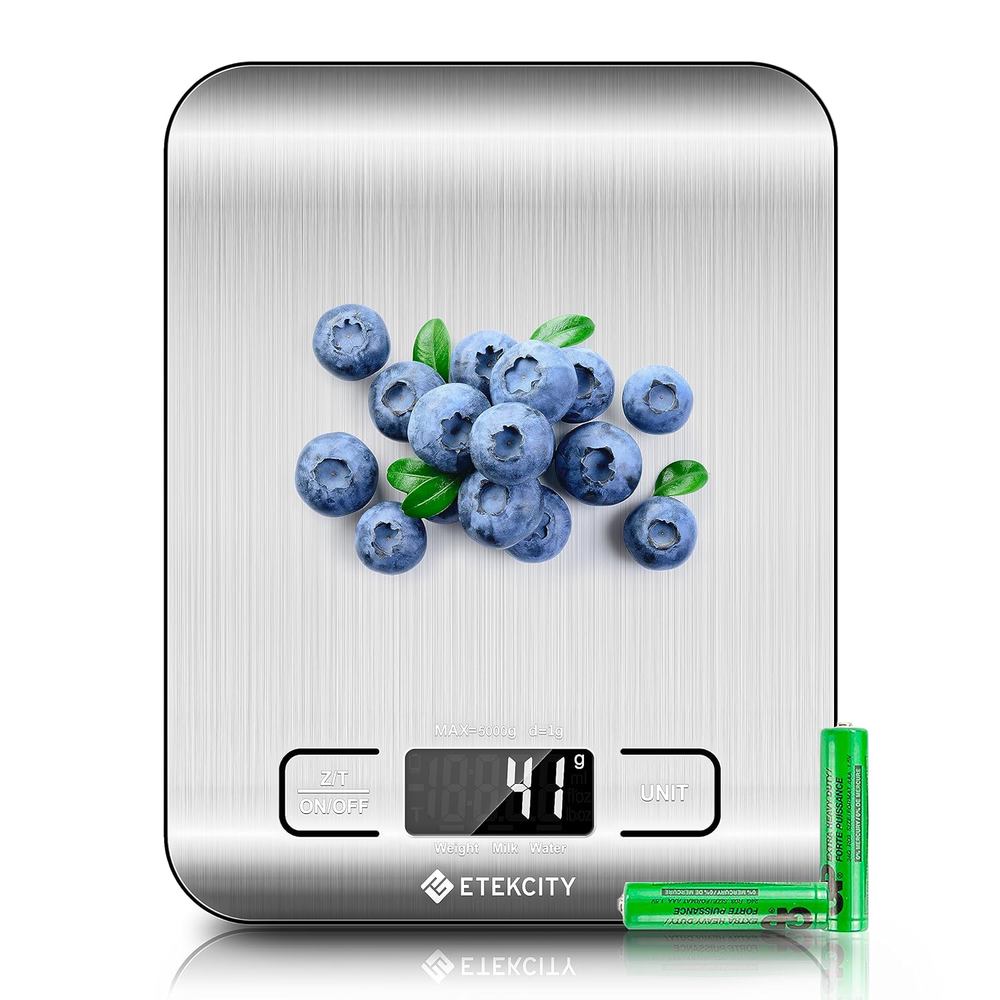
When a sweet craving strikes, berries are the diabetes-friendly choice. Blueberries, strawberries, raspberries, and blackberries are lower in sugar than tropical fruits like pineapple or mango, and they are packed with fiber, vitamin C, and anthocyanins — antioxidants that may help reduce insulin resistance.
A half cup of mixed berries provides sweetness and crunch without sending your blood sugar on a roller coaster. They are versatile: add them to yogurt, oatmeal, or a small smoothie that includes protein powder and a handful of spinach. The fiber in the berry seeds further slows digestion, making this one of the smartest fruit options during a gestational diabetes diet.
Building Your Plate for Balanced Blood Sugar
Incorporating these six foods is most effective when you follow a general meal structure. Aim to fill half your plate with non-starchy vegetables, one quarter with lean protein, and one quarter with complex carbohydrates such as whole grains, legumes, or starchy vegetables. Include a small serving of healthy fat at each meal.
Keep a consistent meal schedule — eating every three to four hours — to prevent both high and low blood sugar episodes. Staying hydrated with water and limiting sugary drinks also supports glucose control. Always test your blood sugar as recommended by your healthcare provider and track how different foods affect your numbers.
When to Contact Your Provider
Diet is a powerful tool for managing gestational diabetes, but it must be part of a complete care plan. If you are having trouble hitting your blood sugar targets, losing weight unintentionally, or feeling excessively thirsty or tired, speak with your midwife, endocrinologist, or dietitian. Some individuals may require insulin or other interventions to protect both maternal and fetal health.
Gestational diabetes is a temporary condition for most people, and the nutritional habits you build now — prioritizing protein, fiber, and healthy fats — can serve you well long after your baby arrives.