When stress becomes a constant companion, your body stays in a state of high alert, pumping out cortisol long after the moment of tension has passed. Over time, this persistent elevation can disrupt sleep, cloud focus, and strain your metabolism. While no single food is a magic cure, research shows that certain nutrients and dietary patterns can gently support your body's ability to regulate cortisol — especially during periods of chronic stress. Here are six science-backed foods to work into your routine.
Dark Leafy Greens
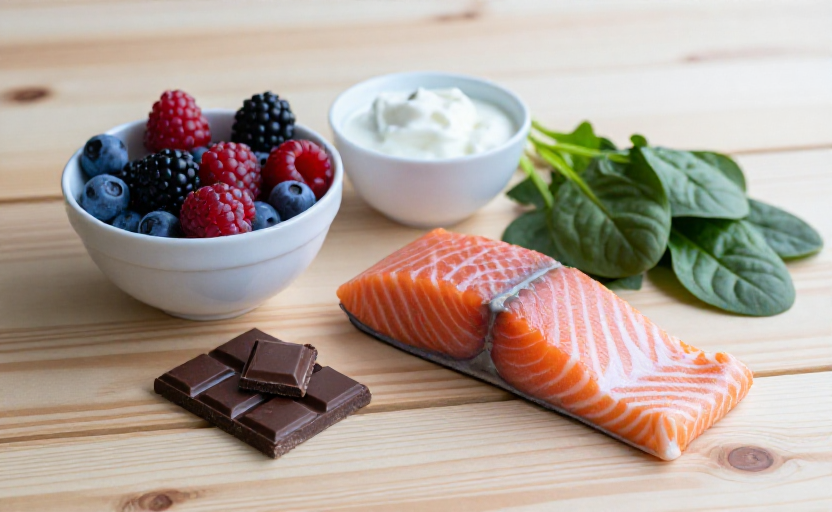
Spinach, kale, and Swiss chard are rich in magnesium, a mineral that plays a direct role in the body's stress-response system. Magnesium helps quiet the hypothalamic-pituitary-adrenal (HPA) axis, the central driver of cortisol production. A magnesium shortfall can actually amplify the stress response. Aim for a generous handful of greens at lunch or dinner — a simple way to buffer the day's tension.
Fatty Fish
Salmon, mackerel, and sardines are loaded with omega-3 fatty acids, particularly EPA and DHA. These fats help reduce systemic inflammation, which tends to rise alongside chronic stress. Several studies have found that people who eat fatty fish regularly — or take a fish oil supplement — show lower cortisol levels in response to stressful tasks. Two servings per week can provide meaningful support.
Dark Chocolate
It sounds indulgent, but dark chocolate (70% cocoa or higher) is one of the more surprising cortisol-lowering foods. Cocoa is packed with flavonoids that improve blood flow and help buffer the stress response. In a small controlled trial, participants who ate a small amount of dark chocolate daily had lower cortisol levels after a stressful event. The key is moderation — about one ounce per serving — and minimal added sugar.
Think of these foods not as a prescription, but as gentle allies. Consistent, small choices add up over weeks and months.
Fermented Foods
Your gut and brain talk to each other constantly. Fermented foods like yogurt, kefir, kimchi, and sauerkraut supply live probiotics that support a healthy gut microbiome. A well-balanced microbiome can dampen the production of stress hormones, including cortisol. Some research even shows that daily consumption of fermented foods for several weeks can reduce perceived stress and improve mood. Start with a few tablespoons of sauerkraut on a salad or a small cup of plain kefir.
Berries
Blueberries, strawberries, and raspberries are among the richest sources of vitamin C and polyphenols. Vitamin C is used by the adrenal glands during cortisol synthesis, and getting enough may help prevent cortisol from spiking excessively. The antioxidant compounds in berries also protect cells from the oxidative damage that chronic stress can cause. A half-cup of mixed berries makes an easy snack or breakfast addition.
Avocados
Avocados deliver a unique trio: healthy monounsaturated fats, potassium, and B vitamins. Potassium helps regulate blood pressure, which often rises with chronic stress. Meanwhile, B vitamins — especially B5 and B6 — are cofactors in the production and regulation of stress hormones. Half an avocado with a meal can steady energy and keep cortisol from climbing out of range.
A note on timing and context. These foods work best when they're part of an overall pattern that includes regular sleep, physical activity, and mindfulness practices. No single ingredient can override the effects of ongoing sleep deprivation or high-pressure living. But when you consistently include these nutrient-dense options, you give your body the raw materials it needs to keep stress responses in check.
If your stress feels unmanageable or you experience symptoms like persistent fatigue, unintended weight changes, or difficulty concentrating, it may be wise to speak with a healthcare professional. Food is a powerful tool — but it works best alongside comprehensive care.