
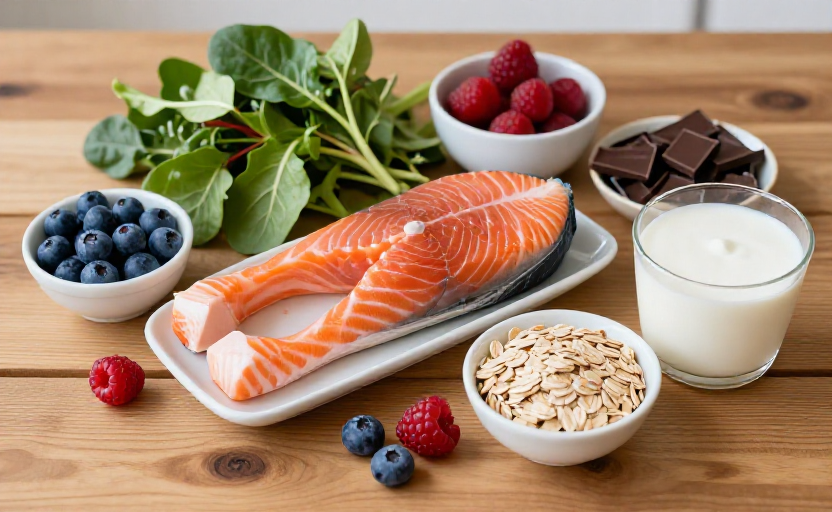
The connection between what we eat and how we feel goes far beyond a temporary sugar rush or a case of the afternoon slump. Over the past decade, research in nutritional psychiatry has made it clear: the food on your plate can influence your mood, your energy, and even the way you see yourself. While no single meal will transform your emotional state overnight, consistently choosing certain nutrient-rich foods can help steady your mood and support a healthier self-image over time.
Below are six evidence-backed foods that play a role in emotional balance and self-esteem. They work by supporting brain chemistry, reducing inflammation, and stabilizing blood sugar — all factors that affect how we think and feel.
1. Fatty fish for omega-3s and brain health
Fatty fish like salmon, mackerel, sardines, and trout are among the best dietary sources of omega-3 fatty acids, specifically EPA and DHA. These fats are essential for brain function and have been linked to lower rates of depression and anxiety. Omega-3s help reduce inflammation in the brain and improve communication between neurons.
A 2021 meta-analysis published in Translational Psychiatry found that people who consumed higher amounts of omega-3s had a lower risk of depressive symptoms. Including two servings of fatty fish per week is a practical goal for most people. For those who don't eat fish, algae-based supplements or other omega-3 sources like flaxseed and chia seeds can be alternatives — though plant-based omega-3s are not as readily used by the body.
Tip: Try grilled salmon with leafy greens and a side of quinoa for a lunch that supports steady energy and focus through the afternoon.
2. Leafy greens for folate and mood regulation
Spinach, kale, Swiss chard, and other dark leafy greens are rich in folate, a B vitamin that plays a role in the production of dopamine and serotonin. Low levels of folate have been linked to higher rates of depression in several observational studies.
Folate works alongside other B vitamins to support the brain's methylation cycle, which affects mood regulation. While many foods are fortified with folic acid, the natural form found in greens is often better absorbed when eaten as part of a whole-food meal.
Adding a handful of spinach to a smoothie or sautéing kale with garlic and olive oil are easy ways to increase your intake without overhauling your diet.
3. Fermented foods for the gut-brain axis
The gut and brain are connected through a network of nerves, hormones, and immune signals. Fermented foods like yogurt, kefir, sauerkraut, kimchi, and miso contain probiotics that support a healthy gut microbiome. Emerging research suggests that a balanced gut can positively influence mood and reduce symptoms of anxiety and depression.
A 2019 study from the Journal of Neuroscience Research highlighted that probiotics may help lower cortisol and improve emotional processing. While more research is needed to understand which strains are most effective, including a serving of fermented food most days is a low-risk strategy for gut and mental health.
Note: If you're new to fermented foods, start with a small serving (like a spoonful of sauerkraut or a half-cup of yogurt) and gradually increase to avoid digestive discomfort.
4. Berries for antioxidants and cognitive function
Blueberries, strawberries, blackberries, and raspberries are packed with antioxidants, particularly flavonoids. These compounds help reduce oxidative stress and inflammation, both of which have been linked to mood disorders.
A 2020 study in Nutrients found that participants who ate a flavonoid-rich diet reported fewer symptoms of depression. Berries also have a low glycemic load, meaning they don't cause sharp blood sugar spikes, which can lead to mood crashes.
Frozen berries are just as nutritious as fresh and are often more affordable. Add them to oatmeal, yogurt, or a simple smoothie for a mood-friendly snack.
5. Dark chocolate for pleasure and stress reduction
Dark chocolate (at least 70% cacao) contains compounds like theobromine, magnesium, and flavonoids that can support a sense of well-being. Magnesium deficiency has been linked to anxiety and low mood, and flavonoids may improve blood flow to the brain.
Small studies have shown that eating dark chocolate can reduce cortisol levels and increase feelings of calmness. The key is moderation — one or two small squares a few times per week is enough to get benefits without excess sugar or calories.
Tip: Pair a square of dark chocolate with a handful of almonds for a balanced snack that provides protein, healthy fat, and a touch of sweetness.
6. Oats and whole grains for steady energy
Whole grains like oats, brown rice, quinoa, and barley are slow-digesting carbohydrates that help maintain stable blood sugar levels. When blood sugar drops too quickly, it can trigger irritability, fatigue, and anxiety.
Complex carbs also encourage the production of serotonin by helping tryptophan enter the brain more easily. Choosing whole grains over refined versions (like white bread or sugary cereals) supports more consistent energy and mood throughout the day.
A bowl of oatmeal with berries and nuts is a simple breakfast that can help you start the day feeling grounded and focused.
How these foods support self-esteem indirectly
Self-esteem is not directly determined by diet, but eating well can contribute to a positive self-image in several ways. When you choose foods that make you feel physically better — more energetic, less bloated, more mentally clear — you are more likely to feel capable and confident. Additionally, the act of caring for your body through mindful food choices can reinforce a sense of self-respect.
It is also worth noting that chronic low mood can make it harder to maintain healthy habits, creating a cycle that is difficult to break. Starting with small, achievable changes — like adding a serving of vegetables or fish to your week — can build momentum.
Important caveats
Food is a powerful tool, but it is not a replacement for professional mental health care. If you are experiencing persistent low mood, anxiety, or thoughts of self-harm, please reach out to a healthcare provider or crisis line. Dietary changes work best as part of a broader strategy that includes sleep, physical activity, social connection, and — when needed — therapy or medication.
Everyone's body responds differently to food. Pay attention to how you feel after eating certain foods, and adjust based on your own needs. There is no one-size-fits-all solution.