When the household calendar is packed and tension runs high, food can either add to the stress or help soften it. Dietitians point to certain foods that genuinely support the body's stress-response system—without calling for complicated prep or exotic ingredients. Here are six dietitian-approved foods that busy families can turn to when they need a little calm.
How food influences stress
The connection between what we eat and how we feel isn't just about comfort. Nutrients like magnesium, B vitamins, omega-3 fatty acids, and certain antioxidants help regulate cortisol and support neurotransmitter production. In other words, the right foods can help your body handle pressure more smoothly. For families on the go, the goal is to find options that are easy to add to meals and snacks—and that kids will actually eat.
1. Fatty fish for omega-3 support
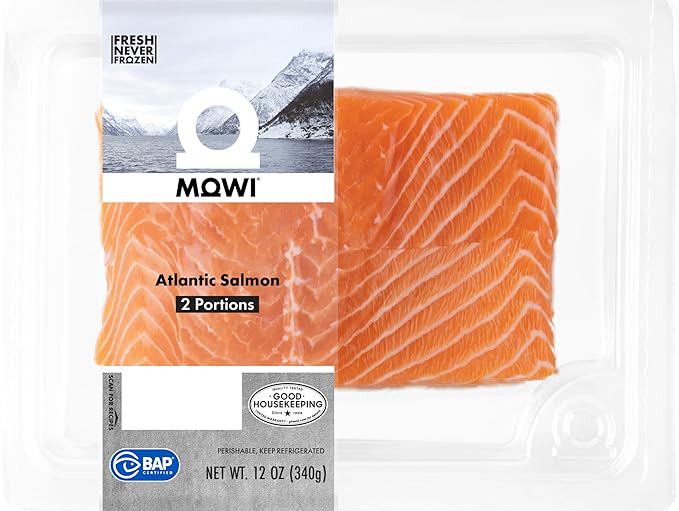
Salmon, mackerel, and sardines are rich in omega-3 fatty acids, which research has linked to lower anxiety levels and better mood regulation. Omega-3s help reduce inflammation and support brain health, both of which are taxed during stressful periods. For busy households, canned salmon or sardines can be added to salads, sandwiches, or pasta without much effort. If fish isn't a regular in your kitchen, a fish oil supplement (chosen with your healthcare provider) offers a backup.
2. Leafy greens and magnesium
Magnesium is often called the relaxation mineral because it helps regulate the nervous system and can ease muscle tension. Spinach, kale, and Swiss chard are easy to toss into smoothies, omelets, or soups. Even frozen greens work well and save prep time. A magnesium-rich dinner can be as simple as a lentil soup with spinach or a quick stir-fry with kale.
3. Berries for antioxidants and vitamin C
Stress triggers the release of free radicals, which can damage cells over time. Berries—blueberries, strawberries, raspberries—are packed with antioxidants and vitamin C, which help protect the body and may lower cortisol levels. Keep a bag of frozen berries in the freezer for smoothies, yogurt bowls, or even a quick microwave-warmed compote over oatmeal.
4. Fermented foods and gut-brain health
Yogurt, kefir, sauerkraut, and kimchi contain probiotics that support the gut microbiome. Since the gut and brain communicate directly, a healthy gut can positively influence mood and reduce stress. For families, plain yogurt with fruit or a small serving of kefir in a breakfast shake is an easy entry point. Look for options with live active cultures and minimal added sugar.
5. Nuts and seeds for steady energy
Almonds, walnuts, pumpkin seeds, and sunflower seeds provide a mix of healthy fats, magnesium, zinc, and B vitamins. These nutrients help stabilize blood sugar and support the adrenal glands, which manage the stress response. A small handful makes a quick snack, or they can be sprinkled on cereal, salads, or roasted vegetables. Trail mix with nuts and a little dark chocolate is a family-friendly treat that still supports calm.
6. Dark chocolate for a mindful moment
Dark chocolate (at least 70% cocoa) contains flavonoids, which may help improve blood flow and reduce stress hormones. A small square or two can be part of a calming ritual—something as simple as sitting down for a few quiet minutes. For kids, a small amount of dark chocolate melted over banana slices offers a healthier dessert option.
"The key is not to add stress by trying to eat perfectly. Small, consistent choices—like adding spinach to a smoothie or choosing yogurt for a snack—add up over time." — based on dietitian guidance
Putting it together for a busy week
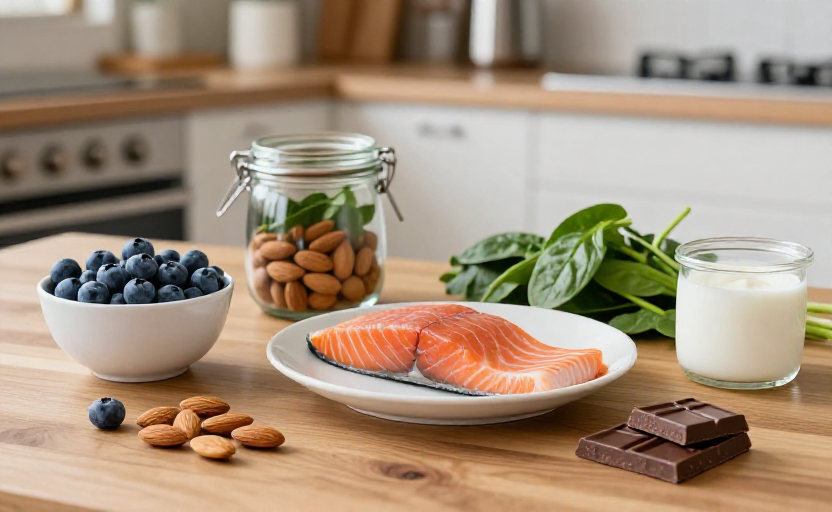
You don't need to overhaul your family's diet overnight. Pick one or two of these foods to try each week. A breakfast smoothie with spinach and berries, a lunch salad with salmon, an afternoon handful of almonds, and a few squares of dark chocolate after dinner can make a real difference. The goal is progress, not perfection.
This content is for educational purposes only and is not a substitute for professional medical advice. Always consult a healthcare provider before making significant dietary changes, especially if you have existing health conditions or are taking medication.