Feeling a dip in your desire can be frustrating and confusing. While libido is influenced by a complex web of factors—from stress and sleep to hormones and emotional connection—what you put on your plate can play a supportive role. Nutrition provides the foundational building blocks for hormone production, circulation, and energy. It’s not about finding a single magic food, but rather about consistently choosing foods that nourish the systems involved in a healthy sex drive.
We spoke with nutrition experts to understand which foods are most often recommended to support libido. Think of these not as instant fixes, but as delicious, wholesome additions to a balanced diet that can help create the internal environment where desire can thrive.
How Can Food Influence Libido?
Before we get to specific foods, it helps to understand the pathways through which nutrition can make a difference. Certain nutrients are directly involved in the body's sexual response.
Healthy blood flow is crucial for arousal in all genders. Foods that support nitric oxide production help blood vessels relax and dilate, improving circulation. Hormones like testosterone and estrogen, while often misunderstood, are key players for both men and women; their production relies on adequate healthy fats and specific micronutrients. Furthermore, chronic stress and fatigue are notorious libido-killers. Foods that help regulate stress hormones and provide steady, lasting energy can remove a significant barrier to feeling in the mood.
Food is not a substitute for addressing underlying medical or psychological issues, but it is a powerful tool for foundational support.
Six Foods to Consider for Libido Support
Here are six dietitian-recommended foods that target the key areas of circulation, hormone balance, and energy.
1. Dark Leafy Greens (Spinach, Kale, Swiss Chard)
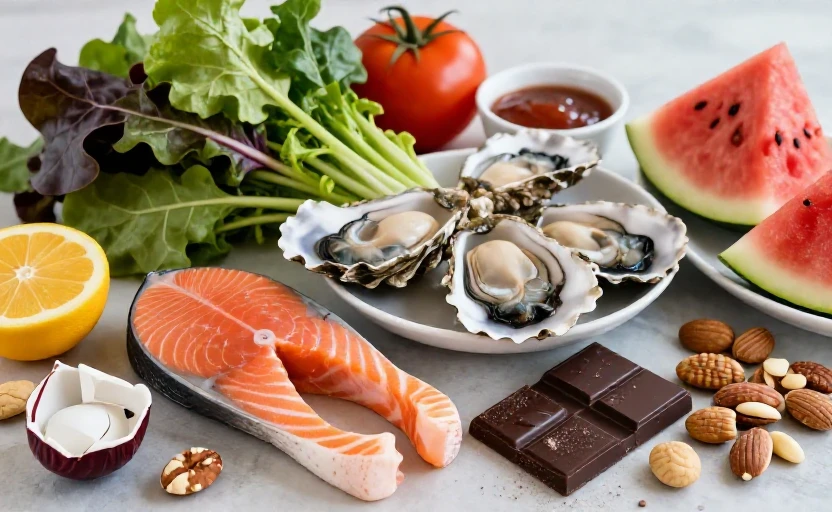
These nutritional powerhouses are rich in magnesium, a mineral that acts as a natural muscle relaxant. This relaxation extends to blood vessels, promoting better circulation—a cornerstone of physical arousal. Magnesium also plays a role in regulating cortisol, our primary stress hormone. By helping to keep stress in check, these greens indirectly support an environment where libido isn't sidelined by daily pressures.
2. Fatty Fish (Salmon, Mackerel, Sardines)
The omega-3 fatty acids in fatty fish are celebrated for their anti-inflammatory effects, which benefit cardiovascular health and blood flow. They are also essential building blocks for hormone production. A diet consistently low in healthy fats can disrupt the delicate balance of sex hormones. Including fatty fish a few times a week provides these crucial fats in a highly bioavailable form.
3. Oysters and Shellfish
Oysters are famously linked to libido, and there's some nutritional truth to the lore. They are one of the richest food sources of zinc, a mineral vital for testosterone production and reproductive health in all genders. While you don't need a platter every day, incorporating zinc-rich foods like oysters, crab, or even pumpkin seeds can help ensure you're not deficient in this key nutrient.
4. Dark Chocolate (70% Cacao or Higher)
Good quality dark chocolate contains compounds called flavonoids, which have been shown to stimulate nitric oxide production, supporting blood vessel health and circulation. It also contains phenylethylamine, a compound thought to promote feelings of well-being and attraction. The key is to choose a bar with high cacao content and low added sugar to reap these potential benefits without the sugar crash.
Focus on the quality of your dark chocolate. A small square of a high-cacao bar can be a satisfying, supportive choice.
5. Watermelon
This refreshing fruit contains an amino acid called citrulline. In the body, citrulline is converted into arginine, which is a precursor to nitric oxide. By supporting nitric oxide, watermelon can help with blood vessel dilation. While studies often use concentrated extracts, enjoying watermelon as part of a fruit-filled diet contributes to this circulatory support and provides hydration, which is essential for all bodily functions.
6. Nuts and Seeds (Almonds, Walnuts, Pumpkin Seeds)
Think of nuts and seeds as a nutrient-dense toolkit for libido support. They provide healthy fats for hormone synthesis, magnesium for relaxation and blood flow, zinc (especially in pumpkin seeds), and vitamin E, an antioxidant that protects cell membranes. A small handful as a snack or sprinkled on salads and yogurt adds crunch, satisfaction, and a broad spectrum of supportive nutrients.
Foods and Habits That May Hinder Libido
Just as some foods can help, others can get in the way. Highly processed foods, excessive sugar, and refined carbs can lead to energy spikes and crashes, promote inflammation, and disrupt hormonal balance. Excessive alcohol is a known depressant that can numb sexual response. Perhaps most importantly, chronic undereating or overly restrictive diets can signal to the body that it's not a safe time for reproduction, often leading to a plummet in libido. Nourishing your body adequately is the first and most important step.
A Holistic View is Essential
It’s vital to frame these dietary suggestions within a broader context. No single food will override significant lifestyle factors or health conditions. If you're experiencing a persistent low libido, it's important to consult with a healthcare provider to rule out underlying issues like hormonal imbalances, thyroid disorders, nutrient deficiencies, or the side effects of medication.
Pair a nutrient-rich diet with other supportive practices: prioritize quality sleep, manage stress through techniques like meditation or gentle movement, and nurture emotional intimacy in your relationships. Food is one piece of the puzzle—a foundational and delicious piece—that works best when combined with a holistic approach to well-being.