
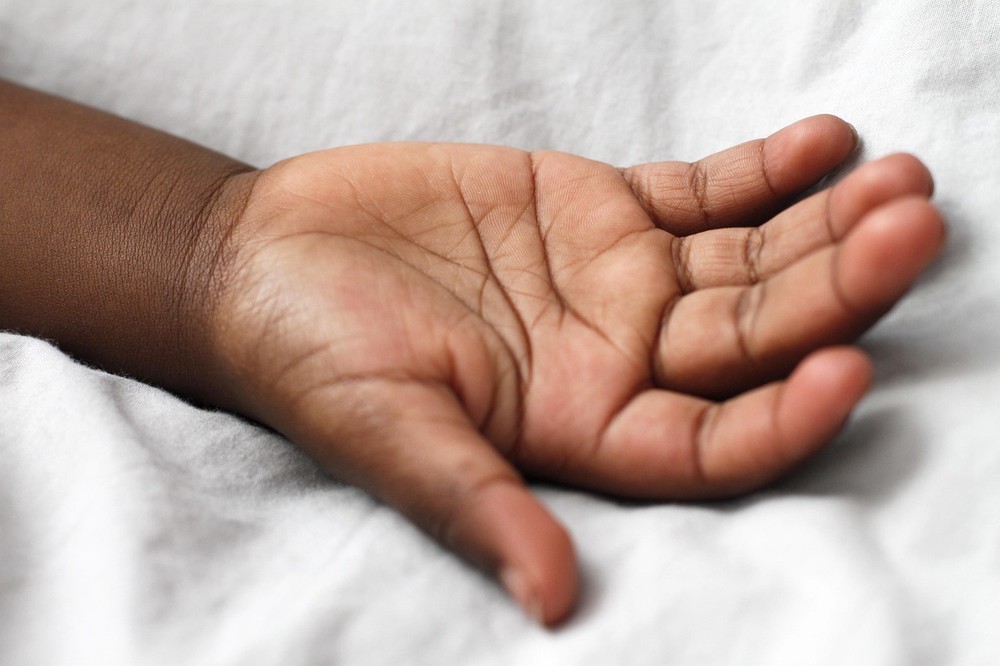
We touch hundreds of surfaces a day: door handles, phones, subway poles, grocery carts. Each touch is a potential handoff—not of a business card, but of the viruses that cause the common cold. While we often think of cold prevention in terms of vitamin C or avoiding sick coworkers, the quietest line of defense is right at the end of your arms. Hand hygiene, done consistently, isn't just about washing before dinner. It's a cumulative practice that measurably lowers your odds of catching a cold over the long haul.
The surprising thing? It doesn't require perfection or expensive products. It's about building a few specific, evidence-backed habits into your daily flow. Here are six habits that actually move the needle on your cold risk—and they're simpler than you think.
1. Wash at the key transfer moments
We know to wash after using the bathroom, but the most critical washes for cold prevention happen before viruses get a chance to enter your body. Make these three moments automatic: after returning home (or reaching your desk), before touching your face, and before preparing or eating food. If you can only wash a few times a day, these are the high-leverage slots. At each of these junctures, you're interrupting the journey a cold virus takes from a surface to your mucous membranes.
Shortcut tip: If you're out, a quick hand sanitizer with at least 60% alcohol works here—just make sure your hands are not visibly dirty.
2. Use the right technique, not just the right product
You can scrub for thirty seconds with top-tier soap, but if you miss the thumbs, the backs of your hands, and the nail beds, it's a leaky defense. The CDC's handwashing technique—wet, lather, scrub for at least 20 seconds (sing “Happy Birthday” twice), rinse, dry—is built on research showing that most people miss large areas. Focus especially on your thumbs (often neglected) and the area between your fingers. A 2019 study found that after a handwashing training session that emphasized these spots, participants had significantly lower risk of respiratory infections over the following weeks.
A quick technique check
- Palms: rub together well
- Backs of hands: interlace fingers and rub back and forth
- Thumbs: wrap one hand over thumb of the other and rotate
- Fingertips: rub the tips into the opposite palm
3. Make hand hygiene a no-barrier activity
If your hand sanitizer is buried in the bottom of your bag, or your sink is inconveniently located, you're less likely to use either. The habit stack here is environmental. Place a small bottle of hand sanitizer in your car cup holder, by the front door, and on your desk. Keep a travel size clipped to your bag strap or in your coat pocket. The less friction between you and the action, the more consistent you'll be. Over a cold season, those micro-moments of protection stack up.
One scan: Look at your daily route. Where do you touch common surfaces? That's where you need a bottle or a sink nearby.
4. Stop touching your face—but don't just willpower it
We touch our faces about 16 to 23 times per hour, often without realizing it. Cold virus survival on hands is substantial—rhinovirus can live on skin for several hours. Once on your fingers, transferring it to your nose, mouth, or eyes is the main route of infection. The habit isn't just “stop touching your face,” because that barely works. The habit is noticing the urge and redirecting to hygiene. Keep a pack of unscented hand wipes nearby. When you catch yourself touching your face, use that as a cue to sanitize instead. Over time, you build an association: face-touch equals clean-hands moment.
Are gloves better?
Gloves can help in clinical settings, but for daily use, they lull you into a false sense of cleanliness because you don't feel the grime. Bare, well-washed hands are more reliable day to day.
5. Prioritize drying over soaking
This is a counterintuitive but research-backed detail. Damp hands transfer bacteria and viruses more readily than dry hands. A 2012 study in the Journal of Applied Microbiology found that thoroughly drying your hands after washing reduces the risk of pathogen transfer significantly more than just washing alone. Don't just shake off the water and walk away. Use a clean paper towel or air dryer until your hands are completely dry. If you use a public restroom, grab a paper towel to turn off the faucet and open the door—that final touch point is often heavily contaminated.
6. Keep your hands away from shared touchpoints after cleaning
This is the follow-through that many forget. You've just washed thoroughly, hands are dry, they're clean. The next thing many people do is grip a handrail, press an elevator button, or shake someone's hand. The habit is to pause. After washing, use a tissue, your sleeve, or the back of your hand (which touches fewer things) for the first few contact surfaces. Or, if you're at home, simply touch nothing for a minute—walk to your fridge or your phone keeping your palms free. This creates a window of clean-hand time that reduces the viral load you reintroduce.
The one-minute rule: After washing or sanitizing, avoid touching shared surfaces for one minute. It's a small window, but it keeps your clean state intact for the most vulnerable moment—right after you've washed.
How these habits compound over time
Think of these habits not as a vaccine, but as a series of small firewalls. Each wash, each careful dry, each sanitizer dose at the right moment reduces the viral dose that might reach your face. Over a winter, that can add up to one, two, or even three fewer colds. A 2018 meta-analysis in the Cochrane Database of Systematic Reviews found that hand hygiene interventions in community settings reduced the incidence of respiratory infections by approximately 16–21%. That's not dramatic for one wash, but across a cold season, it's the difference between getting sick and staying well.
The elegance is that these habits don't require a complete lifestyle overhaul. They slot into the flow of normal life: wash at the right times, use good technique, keep sanitizer handy, dry well, and keep clean hands clean. Do it for two weeks, and it becomes automatic. Your hands will thank you, and so will your sinuses.