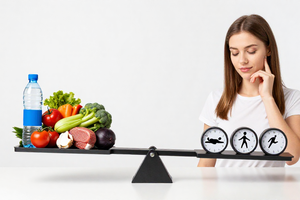
If you're taking weight loss medication, you already know it's not a magic switch. These drugs can help regulate appetite and metabolism, but the real, lasting changes come from the habits you build around them. Think of medication as a tool—not the entire blueprint. The daily choices you make about movement, nutrition, sleep, and stress management are what truly determine how far you go.
To help you get the most out of your treatment, I've pulled together six science-backed daily habits that can amplify your results. These aren't extreme overhauls; they're sustainable shifts that work with your medication, not against it.
1. Prioritize protein at every meal
Weight loss medications often suppress appetite, which is helpful—but it also means you might eat less than your body needs for muscle maintenance. Protein is your best friend here. It keeps you fuller longer, stabilizes blood sugar, and preserves lean muscle mass while you lose fat.
Aim to include a palm-sized portion of protein at breakfast, lunch, and dinner. Think eggs, Greek yogurt, lentils, chicken, fish, or tofu. If your appetite is very low, a protein shake can be a gentle way to meet your needs without feeling stuffed.
Quick tip: If you feel nauseous from your medication, try eating a small protein-rich snack like a handful of almonds or a hard-boiled egg before taking your dose.
2. Walk after meals—even for 10 minutes
A short walk after eating does more than aid digestion. It helps lower post-meal blood sugar spikes and improves insulin sensitivity, both of which support steady weight loss. For people on GLP-1 medications, this simple habit can reduce the nausea and bloating that sometimes accompany treatment.
You don't need a power walk. A gentle 10-minute stroll around the block or even around your living room is enough. The key is consistency—make it a non-negotiable part of your routine, like brushing your teeth.
3. Stay hydrated with a plan
Medications that affect appetite can also dull your thirst signals. Dehydration is common and often mistaken for hunger, leading to unnecessary snacking. Worse, it can worsen side effects like constipation and headaches.
Set a water goal that works for you—aim for roughly 8 cups (64 ounces) daily, adjusting for activity and climate. If plain water feels boring, infuse it with lemon, cucumber, or mint. Herbal teas and water-rich foods like cucumber, celery, and watermelon count too.
Quick tip: Keep a reusable water bottle on your desk or in your bag. Every time you see it, take a sip.
4. Eat fiber-rich foods to support gut health
Fiber does double duty: it slows digestion, keeping you satisfied longer, and it feeds the good bacteria in your gut. A healthy gut microbiome is increasingly linked to better weight regulation and reduced inflammation.
Since weight loss medications can slow gastric emptying, it's important to add fiber gradually to avoid discomfort. Start with one serving of vegetables at dinner, then build up to including them at every meal. Good sources include leafy greens, berries, oats, chia seeds, and beans. Pair fiber with plenty of water to keep things moving smoothly.
5. Get 7–9 hours of quality sleep
Sleep is when your body repairs muscle, balances hormones, and processes the day's nutrients. When you're sleep-deprived, levels of ghrelin (the hunger hormone) rise, and leptin (the fullness hormone) drops. This can counteract the appetite-suppressing effects of your medication.
Make sleep a priority, not an afterthought. Go to bed and wake up at the same time each day, even on weekends. Keep your bedroom cool, dark, and quiet. Avoid screens for at least 30 minutes before bed—blue light interferes with melatonin production. If you struggle with nausea or heartburn from medication, try sleeping with your head slightly elevated.
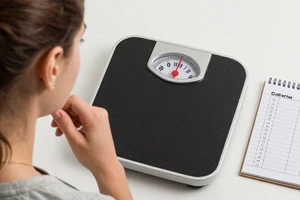
6. Track your progress beyond the scale
The number on the scale can be misleading, especially when you're building muscle or losing inches. Many people on weight loss medication see their weight stay the same while their body composition improves significantly.
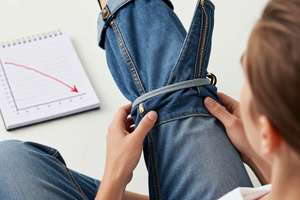
Use additional metrics to capture the full picture: take waist and hip measurements once a week, note how your clothes fit, and pay attention to how you feel—more energy, better mood, improved mobility. A simple journal or app can help you track patterns, like which foods or activities make you feel best.
Quick tip: Schedule a weekly check-in with yourself—10 minutes to review what worked and what didn't. This self-monitoring is one of the strongest predictors of long-term success.
These six habits are designed to work in the background, reinforcing the effects of your medication without adding stress or complexity. Remember, weight loss is a marathon, not a sprint. The small, consistent actions you take each day add up to lasting change.