
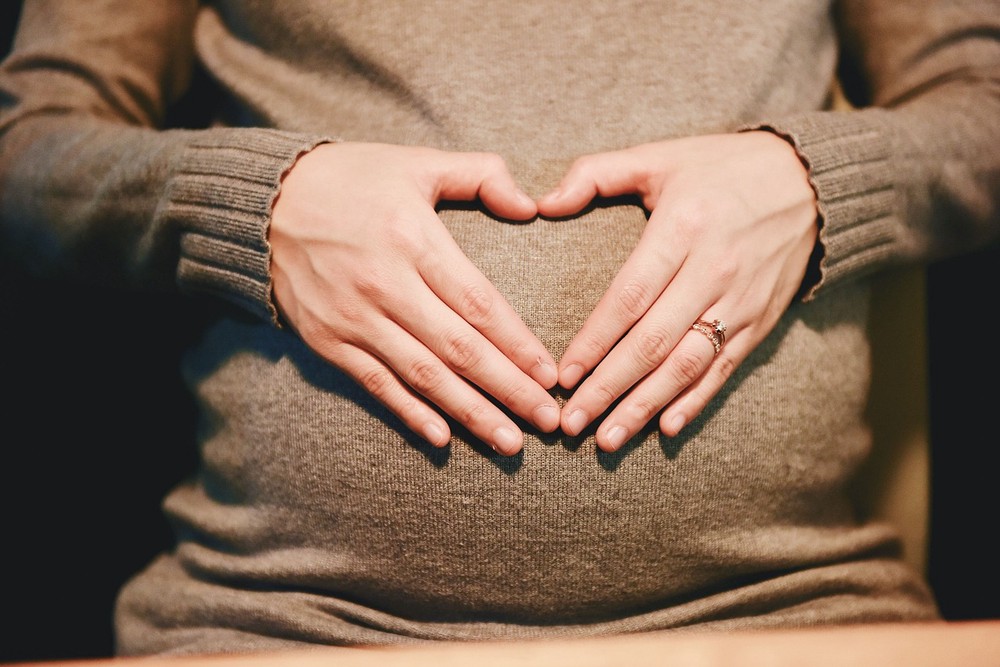
Pregnancy heartburn is one of those discomforts that can turn a simple moment of relief—like sitting down for a meal—into a burning reminder that your body is working overtime. While some heartburn during pregnancy is almost inevitable due to hormonal changes and the growing uterus pressing on your stomach, certain daily habits can make it significantly worse. Here are six common mistakes that can intensify that fiery feeling, along with practical ways to dial it back.
1. Eating large meals, especially close to bedtime
When you're pregnant, your digestive system slows down, and your stomach has less room to expand. Eating a heavy or large meal forces the stomach to produce more acid, and lying down soon after gives that acid an easy path back up the esophagus. Many expecting mothers fall into the habit of eating a big dinner late in the evening, but this is a fast track to nighttime heartburn. Instead, try eating smaller, more frequent meals throughout the day, and aim to finish your last meal or snack at least two to three hours before you lie down for the night.
2. Drinking too much liquid with meals
Staying hydrated is critical during pregnancy, but the timing matters. Drinking a full glass of water—or worse, a bubbly soda or acidic juice—alongside a meal adds volume to an already crowded stomach. This increases pressure on the lower esophageal sphincter (the muscle that keeps stomach contents where they belong), making it easier for acid to splash upward. A better approach is to sip small amounts of water during meals and save most of your fluid intake for between meals. This keeps you hydrated without overfilling your stomach at the wrong time.
3. Triggering heartburn with certain foods
Not all foods are created equal when it comes to pregnancy heartburn. Common culprits include spicy dishes, citrus fruits and juices, tomatoes and tomato-based sauces, fried or fatty foods, chocolate, mint, carbonated drinks, and caffeine. While you don't have to avoid them entirely, noticing a pattern can help you make smarter choices. For instance, if a spicy curry reliably causes burning an hour later, you might save those meals for a lunch when you're upright and active for the rest of the day, rather than having them for dinner. Keeping a simple food diary can help you identify your personal triggers.
4. Wearing tight clothing around your belly
As your bump grows, it's natural to reach for stretchy bands and forgiving fabrics. But some maternity clothes, especially those with tight waistbands or compression panels, can put additional external pressure on your abdomen. This pressure pushes the stomach upward and inward, further weakening the ability of the lower esophageal sphincter to stay closed. Opt for loose-fitting tops, dresses, and pants with soft, expandable waistbands. Even your pre-pregnancy leggings with a tight elastic band can be a problem—choose specifically designed maternity wear that doesn't compress your midsection.
5. Lying down or bending over right after eating
Gravity is your ally against heartburn. When you are upright, gravity helps keep stomach acid down. But if you lie down, recline on the couch, or bend over to pick something up soon after eating, you practically invite acid to travel upward. This can be tricky in the third trimester when bending down is physically awkward anyway. A simple solution is to remain sitting or standing for at least 30 to 60 minutes after a meal. If you need to rest, prop yourself up with pillows so your upper body is elevated, rather than lying flat.
6. Relying on antacids without addressing underlying habits
It's tempting to reach for a chewable antacid whenever heartburn strikes, and these are generally considered safe during pregnancy when used as directed. However, treating the symptom without changing the habits that cause it is a common mistake. Overusing antacids can mask the real triggers and may even lead to side effects like constipation or an imbalance in your body's mineral levels. Think of medication as a temporary aid, not a free pass to ignore the five mistakes above. The most effective long-term approach is to combine sensible lifestyle adjustments with occasional, appropriate use of over-the-counter remedies—always with your healthcare provider's approval.
The bottom line: pregnancy heartburn is common, but it doesn't have to run your daily life. By steering clear of these six common mistakes—big meals, bad timing with fluids, trigger foods, tight clothes, reclining too soon, and medication misuse—you can often reduce the frequency and intensity of symptoms. Small changes in your routine can make a surprisingly big difference in how you feel. As always, talk to your obstetrician or midwife if heartburn becomes severe or persistent, as they can offer additional guidance tailored to your situation.