
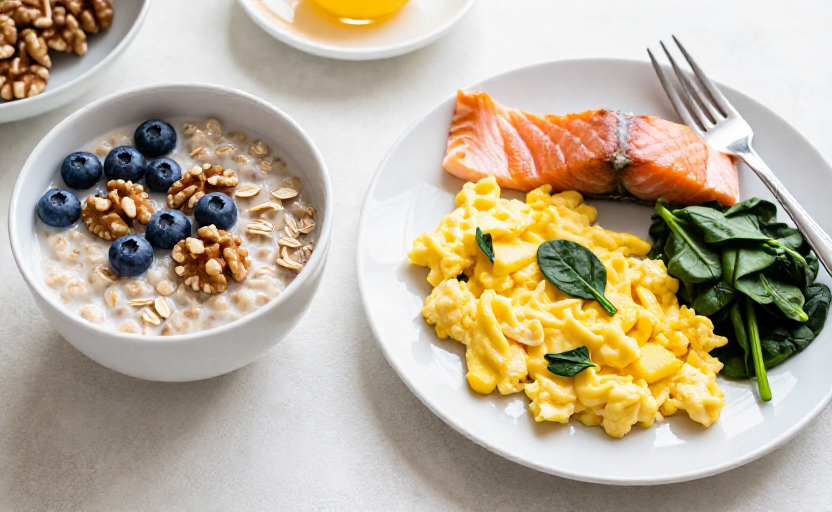
The connection between what you eat first thing in the morning and how you feel for the rest of the day is more direct than many realize. Blood sugar swings, nutrient deficiencies, and gut health imbalances can all contribute to irritability, low mood, and sudden anger flares. For those looking to support emotional regulation starting at sunrise, the breakfast plate is a powerful tool.
Instead of reaching for sugary cereals, pastries, or coffee on an empty stomach, consider these six breakfast foods that research and clinical nutrition suggest can help stabilize mood, reduce inflammation in the brain, and support a calmer, more balanced state of mind.
1. Omega-3 Rich Fatty Fish
Salmon, mackerel, and sardines might not be the first foods that come to mind for breakfast, but they are among the most potent for brain health. Omega-3 fatty acids, particularly EPA and DHA, play a crucial role in reducing neuroinflammation, which has been linked to mood disorders and aggression. Studies have shown that people with higher omega-3 levels tend to have lower rates of impulsive anger and irritability.
How to eat it: Smoked salmon on whole-grain toast, sardines mashed on crackers, or leftover grilled salmon with scrambled eggs.
2. Eggs
Eggs are a powerhouse of tryptophan and choline. Tryptophan is an amino acid the body uses to produce serotonin, the neurotransmitter often called the 'happiness molecule' because of its role in mood regulation. Choline supports the nervous system and helps reduce inflammation. When you start the day with protein-rich eggs, you also stabilize blood sugar, preventing the mid-morning crash that can lead to feeling hangry or short-tempered.
How to eat it: Boiled, poached, scrambled, or in a veggie frittata. Pairing eggs with vegetables boosts the nutrient profile further.
3. Fermented Foods (Yogurt, Kefir, Kimchi)
The gut-brain axis is a hot topic in neurogastroenterology. Eating probiotic-rich foods at breakfast can support a healthy gut microbiome, which directly influences neurotransmitter production. A significant portion of serotonin is actually produced in the gut. By feeding your gut with beneficial bacteria, you may help reduce anxiety and emotional reactivity.
How to eat it: Plain Greek yogurt with berries and nuts, a small serving of kefir as a smoothie base, or a side of kimchi or sauerkraut with eggs.
4. Dark Leafy Greens (Spinach, Kale, Swiss Chard)
While often reserved for lunch or dinner, incorporating greens into your breakfast provides a hefty dose of magnesium. Magnesium is often called the 'calming mineral' because it helps regulate the nervous system and reduces cortisol levels. Low magnesium status has been associated with increased irritability, anxiety, and even aggressive behavior. Greens are also rich in B vitamins, which are essential for energy and mood regulation.
How to eat it: Add a handful of spinach to a smoothie, sauté kale as a side to eggs, or make a savory oatmeal bowl with collard greens.
5. Whole Grains (Oats, Quinoa, Buckwheat)
Whole grains are a steady source of complex carbohydrates that help transport tryptophan to the brain without causing a sharp blood sugar spike. They also provide B vitamins and fiber, which supports a stable release of energy throughout the morning. Avoiding refined carbohydrates (like white bread or sugary cereal) is the goal—choosing whole grains helps prevent the blood sugar roller coaster that can exacerbate anger and mood swings.
How to eat it: A warm bowl of steel-cut oats with cinnamon and walnuts, quinoa breakfast porridge with fruit, or buckwheat pancakes made with almond flour.
6. Berries (Blueberries, Strawberries, Raspberries)
Berries are packed with antioxidants, specifically flavonoids, which have been shown to reduce oxidative stress and inflammation in the brain. This is important because chronic inflammation can impair neurotransmitter function and contribute to low mood and irritability. A handful of berries also adds natural sweetness without the need for added sugar, making them a smart way to satisfy a sweet tooth while supporting brain health.
How to eat it: Fresh or frozen berries in smoothies, yogurt bowls, or on top of whole-grain toast with nut butter.
Building a Mood-Supportive Breakfast
The real power comes from combining these foods. For example, a breakfast bowl with Greek yogurt (fermented), berries (antioxidants), and oats (complex carbs) covers multiple bases at once. A frittata with spinach and eggs, served with a side of whole-grain toast and smoked salmon, is another excellent choice.
Remember that consistent sleep, stress management, and any needed clinical support are also central to emotional health. But breakfast is a daily opportunity to give your brain the building blocks it needs to stay calm, focused, and resilient.
A quick note: If you suspect nutrient deficiencies or have a diagnosed mood disorder, consult a healthcare provider or registered dietitian before making significant dietary changes. This information is for educational purposes and is not a substitute for professional medical advice.