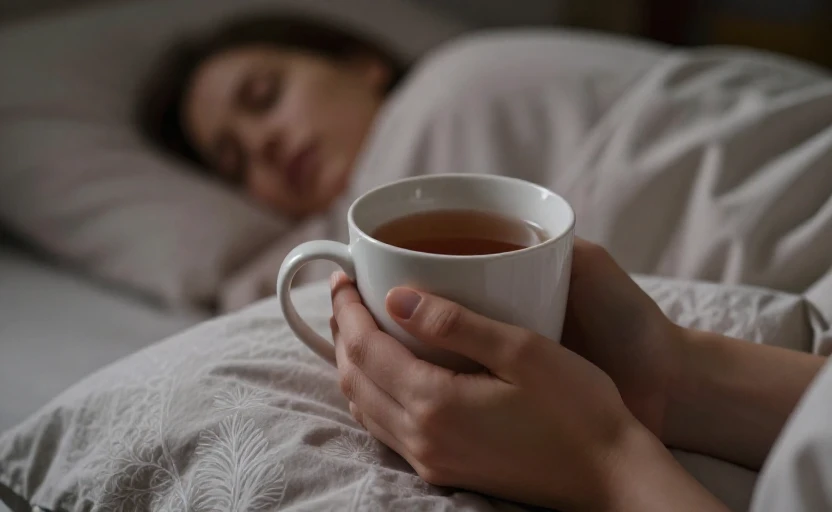
Waking up drenched and restless is a common, frustrating reality for many navigating menopause. While it’s a clear signal from your body, it doesn’t have to dictate your nights. Beyond adjusting your thermostat and bedding, what you sip in the evening can be a gentle, supportive tool. Certain drinks can help moderate your body’s temperature response, promote relaxation, and nudge your nervous system toward calm, setting the stage for a cooler, more restorative sleep.
The goal isn’t a magical cure, but a simple ritual of nourishment. Think of it as a quiet moment of care before bed, where the right choice in your mug can help ease the transition into sleep. Here, we explore several thoughtful options that work with your body’s rhythms, not against them.
What makes a drink helpful for night sweats?
Night sweats are primarily driven by hormonal fluctuations that confuse your hypothalamus—your brain’s internal thermostat. It misreads your core temperature and triggers a cooling response (sweating) at the wrong time. A helpful bedtime drink works in a few key ways: it can provide phytoestrogens that may offer mild hormonal support, contain compounds that promote relaxation and reduce stress (which can exacerbate hot flashes), or simply be hydrating with a cooling sensation. The best choices are also free of caffeine and excessive sugar, which can disrupt sleep and spike blood sugar.
Six Soothing Bedtime Brews
These selections focus on ingredients known for their calming, cooling, or adaptogenic properties. The ritual of preparing and sipping a warm drink itself is a signal to your body that it’s time to wind down.
1. Soy Milk (Warm or Chilled)
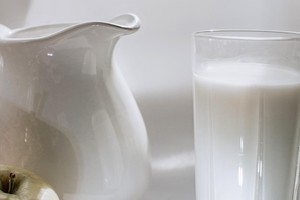
Soy is a unique source of isoflavones, a type of phytoestrogen. Research suggests that incorporating soy into the diet may help reduce the frequency and severity of hot flashes for some women. A warm cup of unsweetened soy milk can be deeply comforting. For a cooler option, try a small glass of chilled soy milk. Its mild, creamy flavor makes it a palatable choice even if you’re not a regular milk drinker.
Opt for organic, unsweetened varieties to avoid added sugars that can interfere with sleep.
2. Chamomile Tea
The classic sleep tea earns its reputation. Chamomile contains apigenin, an antioxidant that binds to receptors in your brain, promoting sedation and reducing anxiety. By helping to quiet the mind and ease the transition into sleep, it can indirectly make you less reactive to the triggers of a night sweat. Its gentle, floral taste is a bedtime staple for good reason.
3. Peppermint Tea
Peppermint has a natural cooling effect, not by lowering internal temperature, but through the menthol it contains. Menthol triggers cold-sensitive receptors in your skin and mouth, creating a sensation of coolness. Sipping a cup of mild peppermint tea (ensure it’s caffeine-free) can provide this refreshing feeling from the inside out, which may be psychologically and physically soothing as you prepare for bed.
4. Sage Tea
Sage has a long history in traditional medicine for easing menopausal symptoms, including excessive sweating. Some small studies and a wealth of anecdotal evidence point to its potential anti-perspirant effects. The theory is that sage may help regulate sweat gland activity. Steep a teaspoon of dried sage leaves in hot water for 5-10 minutes for a earthy, aromatic brew. It’s potent, so start with a weak tea to see how you enjoy it.
5. Tart Cherry Juice (Tart, Not Sweet)
This is a cooler option. Tart cherry juice is a natural source of melatonin, the hormone that regulates your sleep-wake cycle. It also contains anti-inflammatory compounds. While not a direct cooling agent, improving overall sleep quality and reducing inflammation can help your body manage stress and temperature regulation more effectively. The key is to choose a tart cherry juice, not a sweetened cherry cocktail, and limit yourself to a small glass (about 4-6 ounces) to avoid too much sugar.
6. A Simple Glass of Cool Water
Never underestimate the power of pure hydration. Dehydration can actually make temperature regulation harder for your body. Sipping a glass of cool (not ice-cold) water before bed helps ensure you start the night well-hydrated. If you wake up feeling hot, taking small sips of water can be more calming and effective than gulping a large amount. Keep a carafe or bottle by your bedside.
Drinks to Avoid Before Bed
What you don’t drink is just as important. Steer clear of these common culprits in the hours before bedtime:
- Caffeine: Found in coffee, black tea, green tea, and many sodas, it’s a stimulant that can delay sleep and increase anxiety.
- Alcohol: While it may induce drowsiness initially, it disrupts sleep architecture later in the night, often leading to wakefulness and can trigger hot flashes.
- High-sugar drinks: Sugary juices, sodas, or sweetened milks can cause a blood sugar spike and crash, disrupting sleep and potentially increasing body heat.
- Very hot beverages: A scalding drink can raise your core body temperature temporarily, which might backfire. Let your tea or milk cool to a warm, not hot, temperature.
Building Your Evening Ritual
The drink itself is one part of a larger wind-down practice. Try to consume your chosen beverage about 30-60 minutes before you intend to sleep. This gives your body time to process the liquid (minimizing nighttime bathroom trips) and allows the relaxing compounds to take effect. Pair it with other calming activities: dim the lights, read a book, or practice some gentle stretching or deep breathing. This consistent routine strengthens the signal to your brain that sleep is near.
Listen to your body’s responses. What works wonderfully for one person may not for another. It’s perfectly fine to rotate through options or combine them, like a sprinkle of sage in your chamomile tea. The path to better sleep during menopause is often paved with small, consistent acts of self-care, and a mindful bedtime drink can be a simple, comforting place to start.