
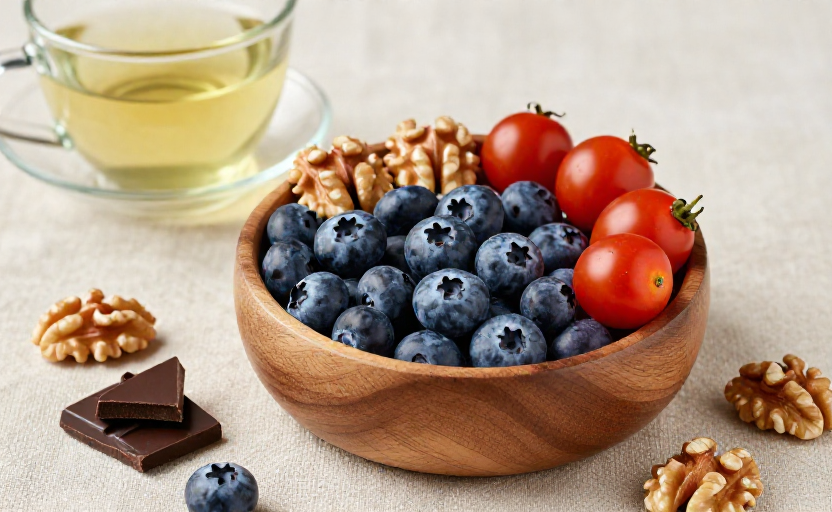
When we talk about skin aging, a lot of the conversation lands on what we apply topically. Creams and serums have their place, but the story of your skin's texture and firmness really starts from the inside. One of the most effective, research-backed ways to support smooth, resilient skin is by eating foods that are rich in antioxidants.
Antioxidants are compounds that help neutralize free radicals—unstable molecules from UV exposure, pollution, and normal metabolism that damage collagen and elastin. Over time, this damage shows up as fine lines, uneven tone, and a loss of that bouncy, smooth look. The good news? Your grocery list can become a powerful part of your skincare routine. Here are six antioxidant-rich foods that specifically help support smoother skin and fewer wrinkles.
1. Blueberries
Blueberries are a standout source of anthocyanins, a type of flavonoid with potent antioxidant activity. These pigments give blueberries their deep blue color and have been shown in studies to protect skin cells from UV-induced damage and reduce oxidative stress. The vitamin C in blueberries also supports collagen production, which helps skin stay firm and smooth. A handful added to oatmeal, yogurt, or a smoothie gives you a daily dose of skin defense without much effort.
2. Dark Leafy Greens (Spinach and Kale)
Spinach and kale are packed with lutein and zeaxanthin—carotenoids that accumulate in skin tissue and help filter out light damage. They also contain vitamin C, vitamin E, and beta-carotene, creating a layered defense against free radicals. Vitamin E, in particular, works as a fat-soluble antioxidant that protects cell membranes, while vitamin C supports collagen synthesis. Because these greens are low in calories and easy to add to salads, soups, or sautés, they are an accessible way to nourish skin from the inside out.
3. Walnuts
Walnuts are one of the few plant foods rich in omega-3 fatty acids (alpha-linolenic acid), which help maintain the skin's lipid barrier. A healthy barrier keeps moisture in and irritants out, leading to plumper, smoother skin. Walnuts also contain vitamin E, selenium, and polyphenols that work together to combat inflammation and oxidative stress. Eating just a small handful—about 1 to 2 ounces—as a snack or sprinkled over a salad can provide meaningful skin benefits without adding too many calories.
4. Tomatoes
Tomatoes are a top dietary source of lycopene, a carotenoid antioxidant that absorbed especially well when tomatoes are cooked with a bit of fat, like olive oil. Lycopene helps protect skin from UV-related damage and supports the maintenance of collagen. Some human trials have shown that regular consumption of tomato paste reduces the severity of sunburn after UV exposure, which indicates real protection against photoaging. Adding tomato sauce to pasta, roasting tomatoes with herbs, or enjoying tomato soup are all effective ways to boost lycopene intake.
5. Green Tea
Green tea is rich in catechins, particularly epigallocatechin gallate (EGCG), a powerful antioxidant that has been studied extensively for its skin-protective properties. EGCG can help reduce inflammation and prevent the breakdown of collagen. It also improves the skin's ability to repair itself after UV exposure. While a cup or two daily is beneficial, the concentrations in brewed tea are modest; matcha, which uses the whole leaf, can deliver a more concentrated dose. To get the most out of it, drink green tea unsweetened and avoid adding milk, as milk proteins can bind to catechins and reduce absorption.
6. Dark Chocolate (70% Cacao or Higher)
Yes, dark chocolate makes the list—provided it is low in sugar and high in cacao content. Cocoa beans are one of the most concentrated sources of flavanols, a subgroup of flavonoids that improve blood flow to the skin, increase skin density, and protect against sun damage. A small square or two (about 20–30 grams) of dark chocolate with at least 70% cocoa solids can support smoother texture and better hydration. Stick to varieties that list cocoa mass or cocoa solids as the first ingredient and have minimal added sugar.
It is worth noting that while these foods are excellent choices, no single food will erase wrinkles overnight. Consistent, long-term dietary patterns matter more than any one superfood. Pairing these antioxidant-rich options with sun protection, adequate hydration, and enough sleep gives you the best foundation for skin that looks and feels smoother at any age.