
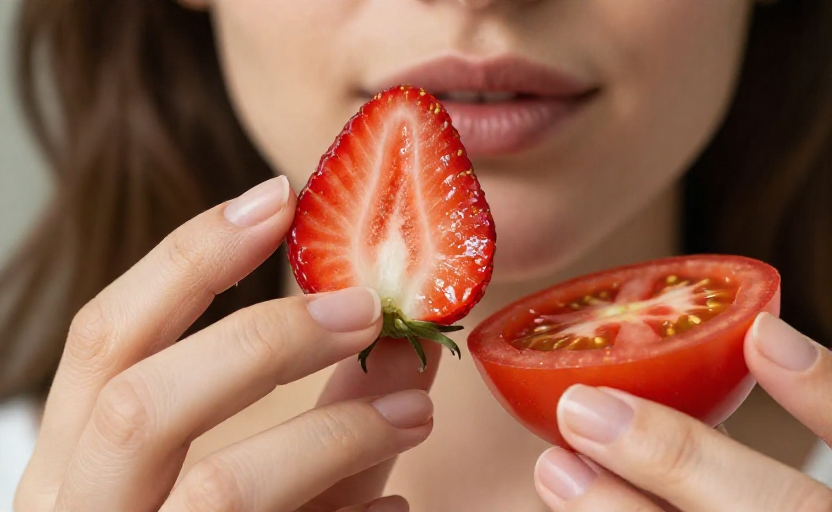
You slather on serums, you never skip SPF, and you’ve got a three-step night routine down cold. So why does your skin still look sullen, slow to bounce back, or just… tired? The answer might not be in your medicine cabinet but on your dinner plate.
Antioxidants are your skin’s primary defense and repair crew—they neutralize free radicals from UV rays, pollution, and natural metabolic processes. When your diet doesn’t supply enough of these compounds, your skin cells can’t keep up with the daily damage. The result isn’t just a bad skin day; it’s a pattern of signs that your body is running low on the raw materials it needs for regeneration.
Here are five concrete warning signs that your antioxidant intake may be falling short—and what your skin is trying to tell you.
1. Your complexion looks dull and uneven
If your skin has lost its natural glow and looks flat or grayish even after cleansing, low antioxidant levels could be the culprit. Light bounces off healthy skin cells that are plump and well-protected. Without adequate antioxidants—especially vitamin C, vitamin E, and carotenoids like beta-carotene—cells become vulnerable to oxidative stress. This causes cell membranes to stiffen, surface cells to build up irregularly, and inflammation to scatter light unevenly.
What to look for: A lack of radiance that doesn’t improve with exfoliation alone, or a sallow, muddy tone that persists throughout the day.
Where to find help in food: Citrus fruits, bell peppers, strawberries, and kiwi for vitamin C. Leafy greens like spinach and kale, as well as carrots and sweet potatoes, supply pro-vitamin A carotenoids. Aim for at least two servings of colorful produce per meal.
2. You bruise more easily than you used to
Occasional bumps happen, but if you’re noticing small purple marks after barely a knock—or bruises that stick around for an unusually long time—your skin’s vascular support may be compromised. Vitamin C is essential for collagen synthesis and for strengthening the walls of blood vessels. Without enough of it, capillaries become fragile and prone to leaking under mild pressure.
What to look for: Spontaneous bruising on the arms or legs, or bruises that take more than a week to fade through their yellow-green stages.
Where to find help in food: In addition to the vitamin C sources above, include bioflavonoid-rich foods such as berries, grapes, onions, and tea—these compounds help vitamin C work more effectively.
3. Wounds and blemishes are slow to heal
A pimple that lingers for weeks. A paper cut that refuses to close. Scratch marks that stay pink longer than they should. This is one of the most direct signs that your antioxidant defense system is overtaxed. Healing any skin wound triggers a cascade of cellular repair processes that demand antioxidants—particularly zinc, vitamin C, and vitamin E.
When those resources are low, inflammation drags on. New tissue formation stalls. And the area can become prone to hyperpigmentation after the wound finally heals.
A quick skin check: Next time you get a small cut or scrape, note how long it takes for the scab to form and fall off. If it’s consistently longer than your past experiences, take it as a dietary signal.
Where to find help in food: Oysters, beef, and pumpkin seeds for zinc. Almonds, sunflower seeds, and avocado for vitamin E. Keep the vitamin C sources coming to help with collagen cross-linking.
4. Sun damage shows up faster and fades slower
Even with diligent sunscreen use, everyone accumulates some sun exposure. But if you notice new dark spots after short, incidental sun exposure—or if existing pigmentation darkens and refuses to lighten—your internal UV defenses may be depleted. Antioxidants like astaxanthin, lycopene, and vitamin E accumulate in the skin and act as a kind of internal sunscreen, absorbing and neutralizing UV-generated free radicals before they trigger melanin overproduction.
What to look for: New freckles or sun spots appearing within days of modest sun exposure, or a tan that fades into patchy pigmentation rather than returning to your baseline evenly.
Where to find help in food: Cooked tomatoes (lycopene becomes more bioavailable with heat), watermelon, pink grapefruit, salmon and shrimp for astaxanthin, and dark leafy greens.
5. Fine lines and crepey texture set in early
Some lines come with age, but premature wrinkling—especially crepey, papery texture on the cheeks, around the eyes, and on the backs of the hands—suggests chronic oxidative damage. Collagen and elastin are two of the most oxidation-sensitive proteins in your body. Without a steady supply of antioxidants to intercept free radicals, those structural fibers break down faster than your body can rebuild them.
What to look for: Fine lines that don’t respond to moisturizer alone; skin that looks thinner or more lax than it did a year ago; loss of rebound if you gently pinch the skin on your cheek.
Where to find help in food: Berries (blueberries, blackberries, raspberries) for anthocyanins; dark chocolate and red wine (in moderation) for flavonols; walnuts and flaxseeds for omega-3 fatty acids that support skin structure. Prioritize variety over any single superfood.
None of these signs is a medical diagnosis—hormone levels, chronic illnesses, and lifestyle factors like smoking or sleep quality also play major roles. But if several of these patterns ring true for you, it’s a strong signal to audit your antioxidant sources. The skin’s repair machinery needs fuel. Without enough colorful plants, healthy fats, and essential minerals in your daily diet, even the best topical products can only do so much.
Start with small swaps: a handful of berries at breakfast, spinach in your lunch wrap, almonds as an afternoon snack. Consistency matters more than quantity. Over a few weeks, you may notice that the warning signs begin to fade—and your skin’s natural resilience starts to come back.