
Collagen is the scaffolding of your skin. It is the protein that keeps your face lifted, your cheeks plump, and your jawline defined. When production slows, the changes are subtle at first—a fine line here, a bit of dullness there. But eventually, the architecture begins to sag.
While genetics and sun exposure play major roles, what lands on your plate every day has a powerful, ongoing effect on collagen synthesis. If your diet is missing key building blocks—or actively undermining the process—your skin will send signals. Here are five clear warning signs that your meals may be working against your skin's natural structure.
1. Your skin bruises easily and cuts heal slowly
Collagen is not just cosmetic. It is the primary structural protein in blood vessels and connective tissue. When your body lacks the raw materials to make it—specifically vitamin C, amino acids like glycine and proline, and copper—the smallest bumps leave marks.
A diet high in processed foods and low in fresh produce is often the culprit. Vitamin C is a required cofactor for the enzymes that stabilize and cross-link collagen fibers. Without enough of it, the fibers your body does produce are weak and brittle. If you notice that a minor knock leaves a purple mark for days, or a paper cut takes longer than expected to close, take a close look at your fruit and vegetable intake. Citrus, bell peppers, strawberries, and kiwi are excellent sources of this essential nutrient.
2. You see new fine lines despite using good skincare
Topical retinol and moisturizers can only do so much if your blood sugar is spiking and crashing throughout the day. When you eat a lot of refined carbohydrates and sugar, those glucose molecules can bind to collagen and elastin in a process called glycation. This produces advanced glycation end products—aptly named AGEs—which stiffen collagen fibers and prevent them from repairing.
The result is skin that looks older, crepey, and less resilient, even if you are diligent with creams and serums. If you are noticing horizontal lines across your forehead or deepening nasolabial folds without a major change in weight or sun exposure, check your intake of sugary drinks, white bread, pasta, and sweets. Cutting back on these gives your existing collagen a better chance to stay flexible and strong.
A quick caveat: agave, honey, and fruit juice are still sugar. Your body handles them the same way once they enter the bloodstream.
3. Your nails are brittle and your hair lacks shine
Collagen production does not happen in isolation. The same amino acids and micronutrients that support skin firmness also build strong keratin in nails and hair. If your diet skimps on protein—especially the collagen-specific amino acids found in bone broth, chicken skin, fish scales, and egg whites—your body has to prioritize survival over beauty.
Low protein intake forces your system to ration amino acids for vital organs first. Nails and hair are low on the totem pole. If your nails peel easily or your hair has lost its natural lustre, you may not be getting enough complete protein at meals. Include a serving of lean meat, fish, eggs, or plant-based protein paired with vitamin C at each meal to support collagen synthesis from the inside.
4. Your skin looks dull and sallow even with hydration
Water is important, but it does not build collagen. A sallow complexion often indicates a shortage of antioxidants that protect collagen from oxidative damage. Vitamin E, selenium, zinc, and polyphenols all shield the fibroblast cells that produce collagen from environmental stress.
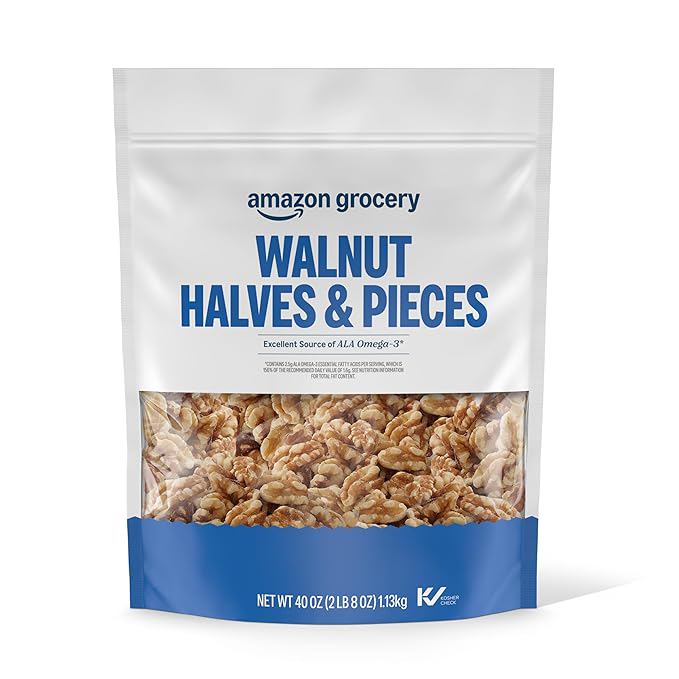
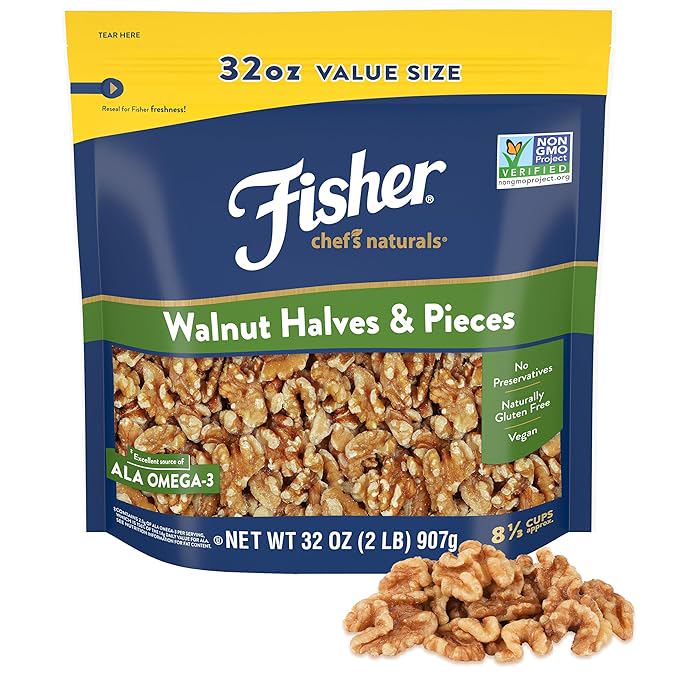
If you drink plenty of water but your skin still looks tired and grey, examine your intake of colorful vegetables, nuts, seeds, and healthy fats. A diet heavy in processed oils and low in antioxidants starves the skin of the protective shield it needs. Try adding a handful of walnuts, a serving of spinach, or a cup of green tea to your daily routine. These foods help keep collagen-producing cells healthy and active.
5. You feel tired and your joints ache more than they used to
Collagen is not just in your skin. It cushions your joints, supports your tendons, and lines your gut. When systemic inflammation increases—often driven by a diet rich in omega-6 fatty acids and low in omega-3s—collagen breaks down faster than your body can rebuild it.
A diet heavy in vegetable oils, fried foods, and processed snacks promotes a pro-inflammatory environment. This speeds up the breakdown of existing collagen and impairs the signaling pathways that tell your body to make new collagen. If you feel stiff when you wake up or your knees click when you stand, your eating pattern may be accelerating the breakdown of connective tissue. Replacing inflammatory fats with omega-3 sources like wild salmon, sardines, flaxseeds, or walnuts can help balance the ratio and protect your collagen stores.
Seeing one or two of these signs does not mean your skin is doomed. The body is remarkably good at repair when given the right tools. Small, consistent changes—prioritizing whole foods, reducing sugar, eating enough protein, and loading up on colorful produce—can shift the balance back in your favor. Collagen production takes time, but the signals your skin gives you today. Listening to them is the first step toward firmer, healthier skin.