
Pregnancy transforms your body in countless ways, and your skin is no exception. For those already navigating acne-prone skin, the hormonal shifts of pregnancy can feel like a second puberty—except this time, you can't reach for your usual arsenal of salicylic acid washes or benzoyl peroxide spot treatments. Knowing when your skin is sending up a red flag can help you pivot to a routine that's both effective and safe for you and your baby.
Below are five telltale signs that it's time to replace your pre-pregnancy products with gentle, pregnancy-safe alternatives. Recognizing these early can spare you weeks of irritation, breakouts, and unnecessary worry.
1. You notice deep, painful cysts along your jawline or chin
If your breakouts have shifted from small whiteheads or blackheads to deep, tender lumps that linger for days, hormonal changes are likely the culprit. During pregnancy, androgen levels rise, which can stimulate the sebaceous glands to produce more oil. This excess sebum, combined with shedding skin cells, creates the perfect environment for cystic acne.
Your go-to exfoliating acids (like glycolic or salicylic acid in high concentrations) may not be recommended, but you can still address inflammation. Look for products containing azelaic acid, which is generally considered safe in pregnancy and works by calming redness and reducing bacteria. A gentle niacinamide serum can also help regulate oil without irritation.
A quick note: Azelaic acid is a top choice for pregnancy-safe acne care because it targets both inflammation and pigmentation without entering the bloodstream in significant amounts.
2. Your usual over-the-counter treatments are stinging or drying more than usual
Pregnancy often increases skin sensitivity. If your go-to benzoyl peroxide wash or astringent toner now leaves your face red, peeling, or stinging, take it as a physical cue that your skin barrier is compromised. The hormonal shifts of pregnancy can thin the outer layer of the skin and alter its pH, making it more reactive to active ingredients that you once tolerated well.
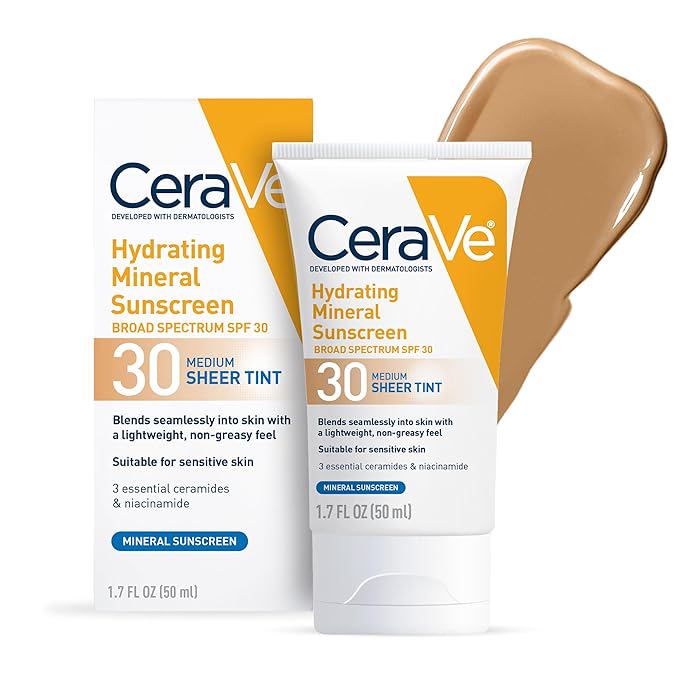
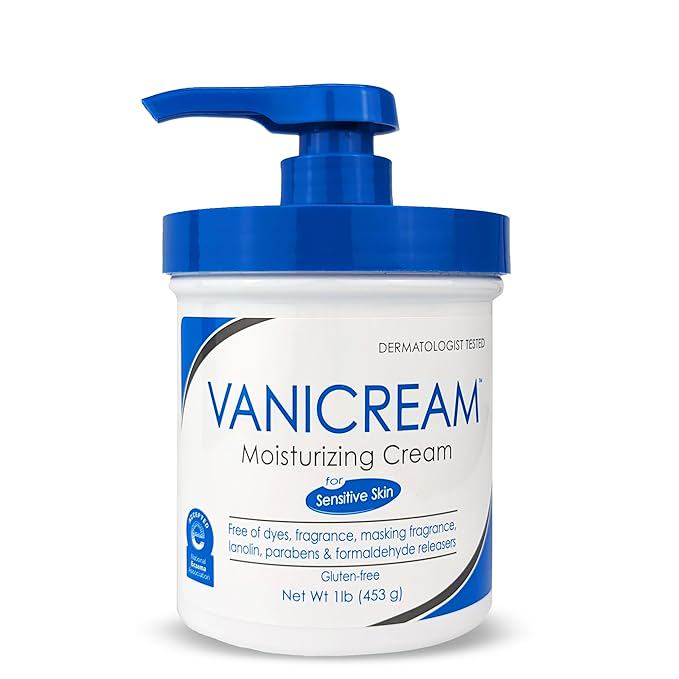
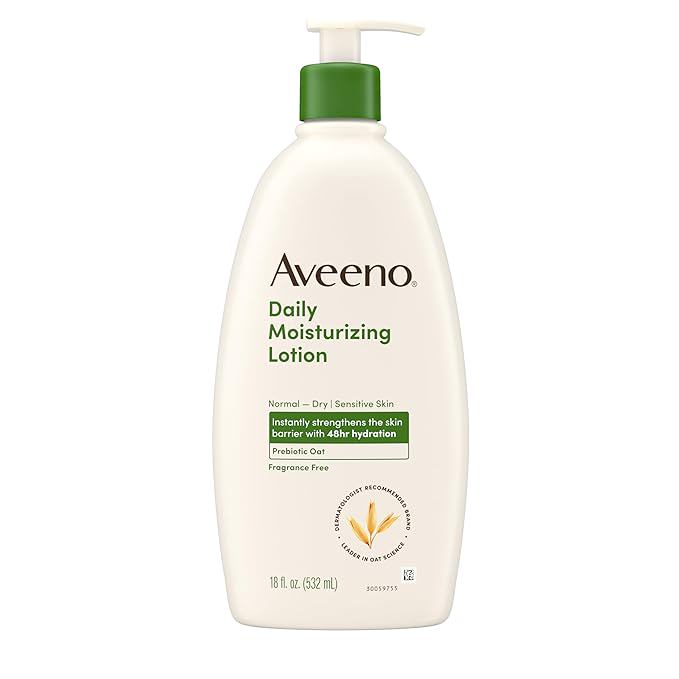
Immediately scale back to a very simple routine: a non-foaming, fragrance-free cleanser, a basic moisturizer, and a mineral sunscreen (zinc oxide or titanium dioxide). Once the stinging subsides—usually in a week or two—you can introduce pregnancy-safe actives one at a time.
3. You're seeing more dark spots left behind after pimples heal
Pregnancy acne often heals darker and stays darker longer than your typical breakout. That's because excess estrogen and progesterone stimulate melanocytes, the cells that produce pigment. For women with medium or darker skin tones, this post-inflammatory hyperpigmentation (PIH) can be especially stubborn and concerning.
To prevent these spots from becoming permanent reminders of breakouts, avoid picking at pimples. Use a pregnancy-safe brightening agent like vitamin C serum (L-ascorbic acid) in the morning and niacinamide at night. Both inhibit tyrosinase, the enzyme responsible for pigment production, without posing risk to the fetus.
- Vitamin C (L-ascorbic acid): Antioxidant that fades spots and protects from UV damage. Use in the morning under sunscreen.
- Niacinamide (vitamin B3): Calms inflammation, reduces redness, and gradually lightens hyperpigmentation with daily use.
- Azelaic acid: Brightens and fights bacteria. It can be used both morning and night if tolerated.
4. Breakouts appear not just on your face but on your chest, back, and shoulders
Hormonal acne often migrates to the trunk, especially the upper back, shoulders, and chest. If you're spotting clusters of papules or pustules in these areas, it's a sign that systemic hormonal changes are overwhelming your skin's ability to regulate oil. Topical solutions for body acne can also require extra caution during pregnancy, since body skin is more absorbent and you're covering larger surface areas.
Swap your body wash for a gentle, oil-free cleanser that contains either lactic acid or PHA (polyhydroxy acid), which are considered pregnancy-safe in low concentrations. A weekly treatment with a 2% BHA-free exfoliant alternative, like a 10% azelaic acid cream, can help. Avoid scrubbing vigorously, which can inflame the skin and worsen breakouts.
5. You feel anxious every time you look at your skincare bottles
This might be the most important sign of all. If you're feeling uneasy about what you're putting on your skin, trust that instinct. The psychological burden of wondering whether a retinoid residue or a high-dose salicylic acid product could affect your baby's development is valid and real. Peace of mind matters as much as clear skin during pregnancy.
In this situation, the best move is a clean slate. Set aside any products you're doubtful about and build a three-step routine from what you know is safe: a mild cleanser, a non-comedogenic moisturizer, and a mineral sunscreen. If you need more support, your dermatologist or OB-GYN can recommend products that fit your specific skin type and stage of pregnancy.
Building a pregnancy-safe acne routine: the pillars
Once you've identified that your skin needs a new approach, here are the core principles to follow:
- Keep it simple: Three steps—cleanse, treat, moisturize—are enough. Overloading your skin increases irritation and the risk of adverse reactions.
- Choose mineral sunscreen: Use SPF 30 or higher with zinc oxide or titanium dioxide. Chemical sunscreens (oxybenzone, avobenzone) are absorbed more readily and lack clear safety data.
- Go fragrance-free: Pregnancy makes many women prone to contact dermatitis; fragrance is a common trigger that adds zero benefit.
- Avoid vitamin A derivatives: Retinoids (retinol, tretinoin, adapalene) and high-dose vitamin A supplements can cause birth defects. Check all labels carefully—vitamin A may appear as retinyl palmitate in some creams.
Remember, proactive changes are better than reactionary fixes. The moment you suspect your routine is no longer safe, making the switch can prevent both skin damage and unnecessary stress.
Pregnancy doesn't have to be a season of bad skin. With the right routine, you can manage breakouts effectively while protecting your baby's health. Listen to your skin—it's already telling you what's different about this season of life.