Most pregnant women expect the standard glucose screening sometime between 24 and 28 weeks. But for some, the body starts sending signals long before that lab visit. Gestational diabetes doesn't always arrive silently, and learning to recognize its early clues can help you start managing your blood sugar sooner, which is better for both you and your baby.
These five symptoms don't guarantee you have gestational diabetes — other pregnancy changes can cause them too — but they are worth mentioning to your provider, especially if more than one sounds familiar.
1. Unusual Thirst That Won't Quit
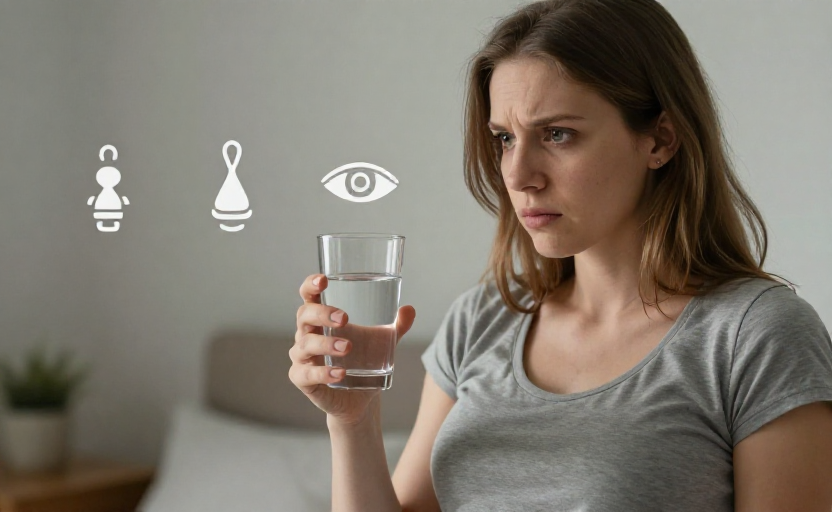
All pregnant women need more fluids, but gestational diabetes can make thirst feel extreme and relentless. When blood sugar runs high, your kidneys work harder to filter and excrete the excess glucose. That pulls water out of your tissues, leaving you dehydrated even after a full glass of water. You may find yourself waking up parched in the middle of the night or drinking much more than usual without feeling satisfied.
What to watch for: Thirst that doesn't ease after drinking, or needing to carry a water bottle everywhere when you didn't before.
2. More Frequent Urination Than Normal
Frequent bathroom trips are a hallmark of pregnancy itself, but there's a difference between pressure from the growing uterus and the kind of urination driven by high blood sugar. When excess glucose spills into your urine, it pulls additional water with it, creating larger volumes of urine and more trips to the bathroom — including multiple times per night.
If you notice you're urinating more often during the day and waking up several times each night to go, it could signal that your blood sugar levels are elevated.
3. Blurry Vision That Comes and Goes
Hormonal shifts in pregnancy already affect your eyes, but gestational diabetes adds a metabolic twist. High blood sugar can cause fluid shifts that temporarily change the shape of the lens in your eye, leading to blurry vision that isn't constant. You might notice it after a meal, in the afternoon, or on days when your diet includes more carbs than usual.
This symptom is easily dismissed as just another pregnancy annoyance, but it deserves attention. Blurry vision associated with blood sugar changes usually resolves once sugar levels stabilize. If you notice it happening repeatedly, mention it to your provider — especially if it's accompanied by other symptoms on this list.
4. Recurrent Yeast Infections
Yeast infections are more common during pregnancy due to hormonal changes, but frequent or stubborn infections can be a red flag for gestational diabetes. Yeast thrives on sugar, and when blood glucose is high, that extra sugar ends up in your vaginal secretions, creating an ideal environment for overgrowth.
If you're treating one yeast infection after another, or if the symptoms seem more intense than previous infections, it's worth asking your doctor about glucose testing earlier than scheduled. A single yeast infection is common; recurring ones are a different story.
5. Fatigue That Feels Different
Pregnancy fatigue is real and expected, especially in the first and third trimesters. But gestational diabetes can produce a distinct kind of tiredness — one that feels heavier and more persistent, sometimes with shakiness or brain fog after meals. This happens because your body's cells aren't using glucose efficiently for energy, so despite high blood sugar, your cells still feel starved.
Some women describe it as feeling "drained" after meals, or having energy crashes a few hours after eating, even when they've slept well. If your exhaustion seems out of proportion to your activity level and doesn't improve with rest, it's worth flagging.
When to Bring It Up
None of these symptoms alone is diagnostic, and every pregnant woman experiences some version of thirst, bathroom breaks, tiredness, and vision changes. The key is context. If you have two or more of these symptoms, or if one symptom is notably severe, call your OB or midwife. They may recommend early glucose screening, dietary adjustments, or simply closer monitoring.
Most cases of gestational diabetes can be well-managed with lifestyle changes and medical guidance when caught early. Paying attention to these signals is a proactive step — not a reason to panic, but a reason to start a conversation.