
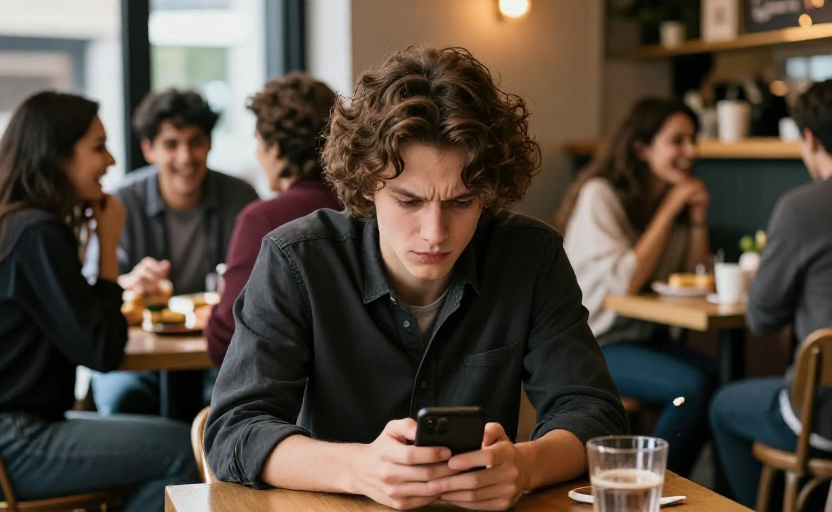
Social anxiety often gets reduced to a simple stereotype: someone who is painfully shy, avoids parties, and barely speaks in groups. But the reality is far more nuanced. For many people, the condition doesn't look like full-blown panic or total avoidance. Instead, it shows up in quiet, everyday behaviors that are easy to brush off as just being "a little nervous" or "reserved." Recognizing these subtle warning signs is the first step toward understanding what is actually happening beneath the surface.
If you find yourself nodding along to several of these patterns, it may be worth taking a closer look at how social situations genuinely affect your mental state. These are not just quirky habits; they are often quiet cries for relief from an overactive fear of judgment.
1. You over-prepare for simple social interactions
Do you rehearse what you are going to say before making a phone call, even if it is just ordering a pizza? Do you write out a script for a quick question to a coworker? This kind of mental rehearsal is a classic, understated sign. It looks like diligence or conscientiousness on the surface, but underneath, it is a coping mechanism designed to prevent the terror of a conversational slip-up. The goal isn't efficiency; it's safety.
2. You experience a mental replay after every conversation
Social anxiety often follows you home. After a meeting or a casual chat, you might find yourself mentally scanning every word you said, analyzing your body language, and zeroing in on one awkward moment you think you caused. This post-event rumination is draining. It is easy to dismiss as "overthinking," but it is a core symptom of social anxiety. Your brain is trying to figure out what you did wrong so you can avoid it next time—but the process rarely feels productive, just exhausting.
3. You say yes to things you absolutely do not want to do
Turning down an invitation can feel impossible when social anxiety is at play. The fear of disappointing someone, or the imagined awkwardness of saying "no," often leads to automatic compliance. You might agree to a weekend gathering you dread, or take on extra work you don't have time for, just to avoid a brief moment of discomfort. This isn't being a people-pleaser out of kindness; it is a survival strategy to avoid potential social rejection.
The quiet truth: The energy it takes to follow through on unwanted plans often far exceeds the energy it would have taken to politely decline.
4. You monitor your own body signals constantly
During social situations, are you hyper-aware of your heartbeat, your breathing, or whether your hands are shaking? This internal focus is known as interoceptive sensitivity. While everyone might notice a racing heart before a speech, someone with social anxiety is watching for these signs as proof that they are failing socially. This self-surveillance can pull you out of the moment entirely, making you seem distant or distracted to others.
5. You avoid being the center of attention—even briefly
The obvious version of this is refusing to give a toast. The subtle version is avoiding eye contact when a question is asked in a group, rushing through a compliment, or deflecting praise immediately. It also shows up in the way you might avoid walking into a room first, or how you stick to the edges of a group photo. These tiny avoidances are designed to keep you out of the spotlight, where you feel exposed.
If any of these signs feel familiar, please know that this is a common human experience, not a character flaw. Many factors contribute to social anxiety, from genetics to past social conditioning. The good news is that it is highly manageable with the right support. Simple lifestyle shifts, grounded breathing techniques, and professional guidance from a therapist (especially cognitive behavioral therapy) can make a profound difference.
The point is not to label yourself, but to understand your own patterns. Awareness is the quiet power that allows you to stop dismissing these signals and start addressing the underlying anxiety with compassion.