Peptides are the workhorses of your skin. These short chains of amino acids act as signaling molecules, telling your skin cells to produce more collagen, firm up, and repair damage. When peptide levels are healthy, your skin looks plump, smooth, and resilient. But when they start dropping faster than the usual age-related decline, the signs are unmistakable.
While some loss of peptides is a natural part of getting older, certain lifestyle factors—like chronic sun exposure, poor sleep, high stress, and a diet low in protein—can accelerate the decline. Here are five signs that your skin’s peptide levels may be falling faster than normal, and what you can do to support them.
1. Your Skin Looks Deflated and Thin
Peptides are critical for maintaining the extracellular matrix—the scaffold that gives skin its structure and volume. When peptide signaling drops off, collagen and elastin production slows down. The result? Skin that once felt plump and bouncy starts to look deflated, almost as if the air has been let out of a balloon.
You might notice that your cheeks appear flatter, the area under your eyes looks more hollow, or your skin seems translucent in certain lights. This isn’t just about wrinkles—it’s a loss of the underlying structural support that keeps skin thick and springy. If this change happens suddenly or more noticeably than in peers your age, peptide decline could be the culprit.
2. Fine Lines Appear Deeper and More Numerous
Everyone gets fine lines, but when peptide levels are low, those lines can turn into deeper, more static wrinkles in a short period. Peptides help regulate the turnover of skin cells and the repair of damaged collagen fibers. Without enough peptide activity, the skin’s ability to patch up daily micro-damage is compromised.
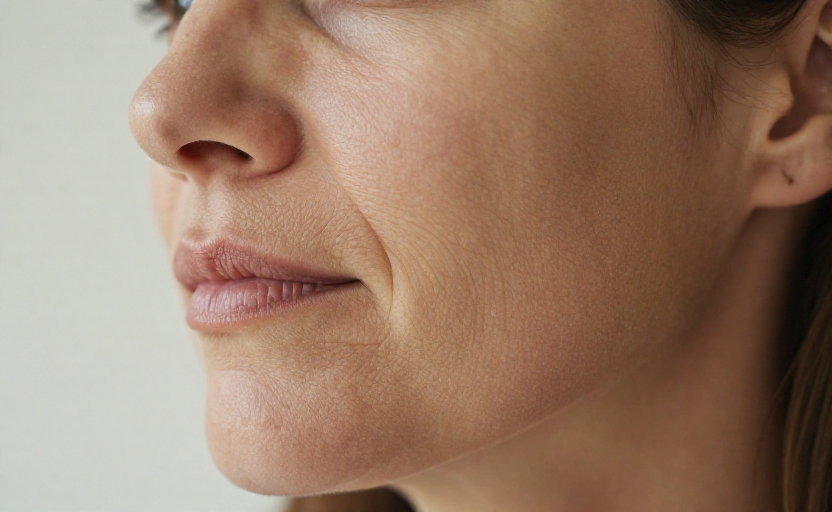
Pay attention to the area around your mouth, eyes, and forehead. If you see new lines forming rapidly—or existing ones looking deeper even when your face is at rest—it’s a strong signal that your skin’s repair mechanisms are struggling. This is especially common after periods of high stress, poor diet, or repeated sun exposure without protection.
3. Your Skin Feels Dry and Rough Despite Your Routine
Peptides also play a role in maintaining the skin barrier. They help regulate the production of lipids and natural moisturizing factors that keep water locked in. When peptide signaling declines, the barrier can become compromised. Even if you’re using a rich moisturizer, your skin may still feel tight, rough, or dehydrated.
This isn’t the same as ordinary seasonal dryness. You might notice that your regular moisturizer stops working as well, or that your skin feels sticky after applying products, then tight again an hour later. That’s a sign the underlying barrier structure is weakening—not just a lack of surface hydration. Topical peptides in serums can help, but addressing internal factors like sleep and stress is just as important.
4. Your Skin Takes Longer to Heal
Peptides are involved in the wound-healing cascade. They signal skin cells to migrate to the site of injury, produce new tissue, and calm inflammation. When peptide levels drop, this process slows down significantly.
Think about minor skin insults: a small scratch, a popped pimple, or even a nick from shaving. If these marks take noticeably longer to fade—or if they leave behind dark spots or scars that linger for weeks—it’s a red flag. Healthy peptide signaling should help your skin bounce back quickly. A sluggish healing response is one of the earliest indicators that your peptide levels may be falling faster than the normal aging rate.
5. You Have More Sagging and Laxity Than Expected
Loss of firmness is a hallmark of aging, but when peptide levels drop sharply, that sagging can become pronounced. Peptides are directly responsible for telling fibroblasts to produce fresh collagen and elastin fibers. Without those signals, the skin’s supportive matrix gets floppy.
Check your jawline, chin, and neck. If you’re seeing more jowling, a less defined jawline, or skin that droops when you tilt your head down—even compared to people the same age—your peptide levels may be declining faster than normal. This type of laxity often shows up in your mid-30s to mid-40s, but it can accelerate with habits like smoking, high sugar intake, or chronic inflammation.
What Can You Do About It?
If any of these signs sound familiar, the good news is that you can support your skin’s peptide levels with targeted strategies. First, protect your skin from UV damage every day—sunscreen is non-negotiable because UV rays degrade both collagen and the peptides that regulate its production. Second, prioritize sleep and stress management; cortisol is a known enemy of peptide signaling. Third, consider incorporating topical products that contain copper peptides or matrixyl-type peptides, which have been shown to stimulate collagen synthesis in the skin.
Diet also matters. Eating enough high-quality protein provides the amino acid building blocks your body needs to make its own peptides. Foods rich in vitamin C—like citrus, bell peppers, and strawberries—help stabilize the collagen that peptides help build. And because peptides are sensitive to inflammation, reducing sugar and processed foods can give your skin a break.
Finally, be patient. Supporting your skin’s peptide levels isn’t an overnight fix. Consistent care over weeks and months can make a real difference in how your skin looks and feels.