Retinoids are celebrated as one of the most effective ingredients for improving skin texture, reducing fine lines, and managing acne. But with great power comes great responsibility—and sometimes, the need for a pause. Even the most devoted retinoid user can overdo it, and when that happens, the skin barrier often sends out clear distress signals. Learning to recognize these signs can help you adjust your routine before irritation turns into damage.
If you’ve been wondering whether your skin is reacting normally or crying out for a break, here are the five most reliable signs that your skin barrier needs a breather from retinoids.
1. Persistent Redness That Doesn’t Fade
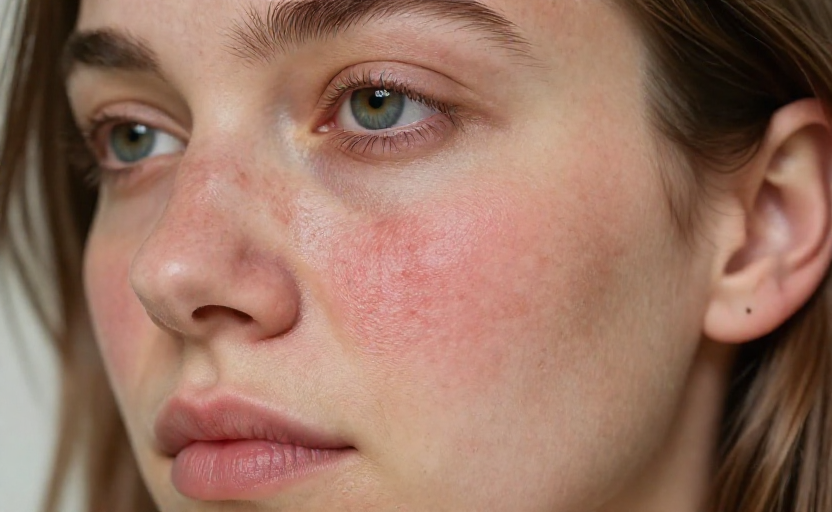
It’s normal to feel a mild tingling or see slight pinkness when you first start retinol, especially if your skin is adjusting. That usually settles within a few weeks. But if your cheeks, nose, or chin stay red for hours after application—or worse, look red and warm even in the morning—it’s a sign of barrier compromise.
Repeated irritation thins the stratum corneum, leaving underlying blood vessels more visible. This isn’t a “retinoid uglies” phase to push through; it’s a red flag (literally) that you need a few nights off. Let your skin reset before loss of barrier function leads to more pronounced sensitivity.
2. Stinging or Burning with Basic Products
One of the most telling signs that your barrier is struggling is when your everyday moisturizer or gentle cleanser suddenly starts to sting. That sensation means the protective lipid layer has become too disrupted to keep out mild irritants that normally wouldn’t bother you.
If water alone makes your face tingle or you flinch when applying sunscreen, the retinoid is currently doing more harm than good.
This is the point where continuing use can create a vicious cycle: damaged barrier increases water loss, which makes skin more fragile, which makes retinoid penetration uneven and even more irritating. A break of 3–5 nights usually restores enough resilience to restart at a lower frequency.
3. Intense Flaking That Peels in Sheets
Mild, fine flaking around the nose and mouth is common and often manageable with a richer moisturizer. But when you start seeing visible patches of peeling skin that come off in small sheets, especially on the cheeks or forehead, your barrier is overstressed. This isn’t gentle exfoliation—it’s the skin struggling to repair itself faster than it can shed.
These larger flakes often accompany tightness and a crepey texture. At this stage, every wash, every facial expression, even sleeping on a pillow can feel abrasive. Pushing through it risks developing raw, weepy patches that need professional care. Stop retinoids immediately and focus exclusively on hydration and barrier repair for at least a week.
4. A Tight, Waxy Shine (Not a Healthy Glow)
Retinoids can give skin a lovely glow over time, but there’s a distinct difference between a radiant complexion and a tight, shiny surface that looks almost coated. When the barrier is compromised, sebaceous glands sometimes overcompensate, producing excess oil to make up for lost lipids. The result is a paradox: skin looks shiny yet feels dry and uncomfortable.
This “waxy” appearance often comes with a sensation of stiffness when you smile or frown. It indicates that the natural lipid matrix—the mortar between skin cells—has been stripped thin. A temporary pause and a switch to a barrier-supporting moisturizer containing ceramides, cholesterol, and fatty acids can restore balance.
5. Breakouts in Unusual Places or Texture Changes
Here’s where it gets confusing: retinoids are supposed to clear acne, but overuse can actually trigger breakouts. When the barrier is damaged, inflammation rises, and the skin’s microbiome shifts. You might notice small, red, angry bumps appearing on the cheeks or along the jawline—areas that aren’t your typical acne zones.
Alternatively, your skin may develop a rough, bumpy texture that feels like sandpaper under makeup or sunscreen. That isn’t purging; it’s an irritated, dehydrated surface where dead cells are sticking together abnormally. Increased water loss slows down enzymatic desquamation, leaving the skin feeling rough no matter how much you exfoliate.
What to Do When You Spot These Signs
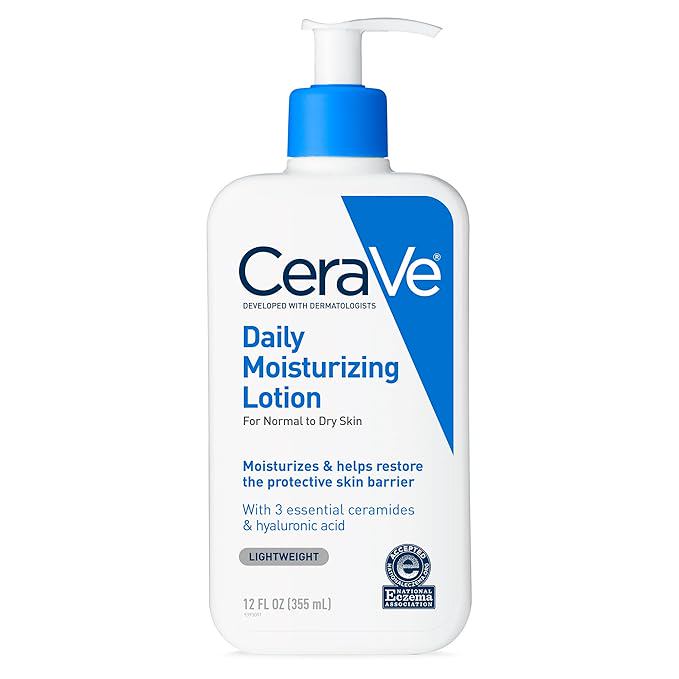
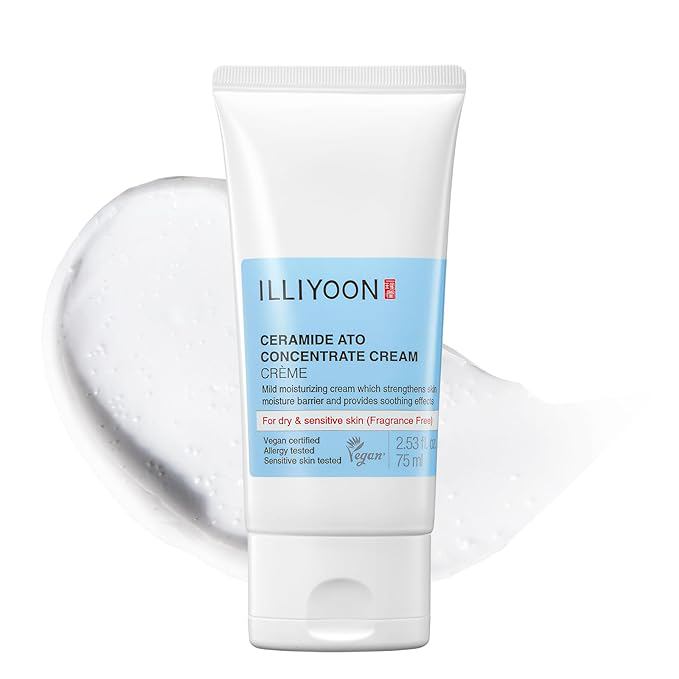
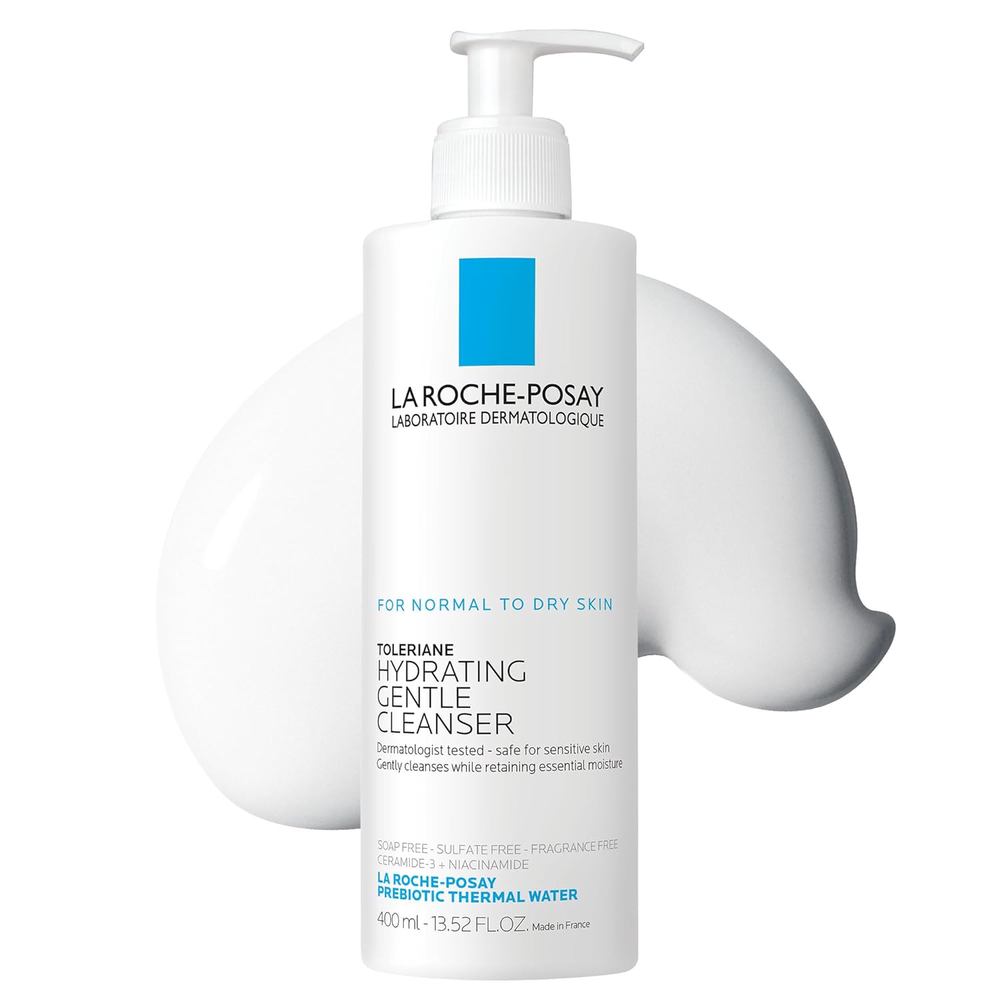
If you recognize any of these symptoms, the first step is to stop using your retinoid product for 5 to 7 nights. Switch to a gentle, non-foaming cleanser and a simple moisturizer formulated with barrier-repair ingredients like ceramides, niacinamide, or squalane. Avoid any other active ingredients such as AHAs, BHAs, or vitamin C during this recovery period.
Once the stinging subsides and the texture feels normal again, you can reintroduce the retinoid at a lower frequency—try once every third night instead of nightly. You might also consider a lower concentration or a different formulation, such as a retinyl ester if your current product is prescription-strength tretinoin.
Using a buffer technique—applying moisturizer first, waiting 20 minutes, then applying retinoid—can also dramatically reduce irritation while maintaining effectiveness. And always, always wear SPF 30 or higher during the day, as sun exposure compounds barrier damage.
Recognizing when to pause is not a setback. It’s a sign that you’re paying attention to your skin’s signals, and that wisdom pays off in the long run with healthier, more resilient skin that actually benefits from retinoids over months and years.