Mood swings during perimenopause can feel like living inside a weather system that changes without warning. One moment you're calm, the next you're teary or irritable. While hormonal shifts are the root cause, the foods you eat can either steady or rattle your emotional state. Dietitians point to five research-backed foods that target the brain chemistry behind these mood swings — without needing a prescription.
Why perimenopause uproots your mood
Perimenopause is the transition period before menopause, when estrogen and progesterone levels begin to fluctuate unpredictably. Estrogen influences serotonin, dopamine, and GABA — the same neurotransmitters that regulate mood, sleep, and anxiety. When estrogen dips or spikes, your brain's chemical balance follows suit. That biological volatility is why many women feel emotionally reactive or down during this stage. The good news is that certain foods can help stabilize those signals.
Fatty fish: the omega-3 anchor
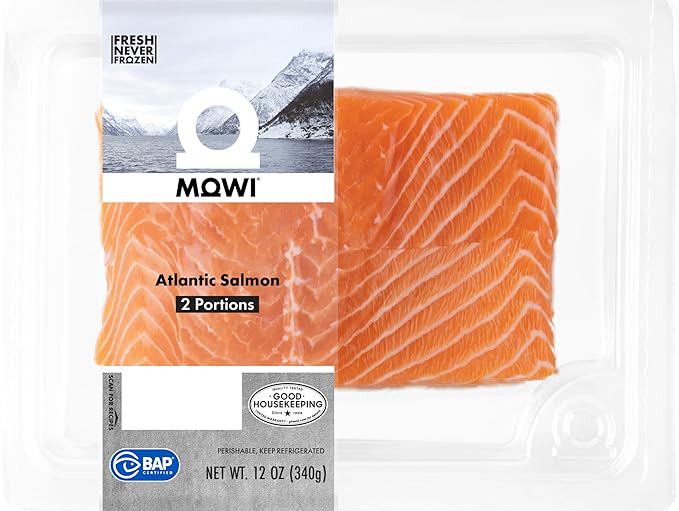
Salmon, mackerel, sardines, and anchovies are among the richest sources of EPA and DHA, the long-chain omega-3 fatty acids that support brain cell membranes and reduce inflammation. Dietitians recommend fatty fish as a top food for perimenopause mood swings because EPA has been shown to lower cortisol and improve serotonin receptor function. Aim for two 3- to 4-ounce servings per week. For plant-based eaters, algae-derived DHA supplements can offer similar benefits, but whole fish provides a complete nutrient package including vitamin D and selenium, which also play roles in mood regulation.
Dark leafy greens: magnesium for the nervous system
Spinach, Swiss chard, kale, and collard greens are packed with magnesium, a mineral that acts as a natural relaxant for the nervous system. Magnesium helps regulate the hypothalamic-pituitary-adrenal axis, which controls your stress response. During perimenopause, magnesium demands rise because fluctuating hormones deplete the mineral faster. Low magnesium is linked to irritability, anxiety, and difficulty sleeping. One cup of cooked spinach provides about 40 percent of the daily value. For a mood-supporting meal, sauté greens with garlic and olive oil or blend them into smoothies with a banana and almond milk.
A simple daily habit: one leafy green serving at lunch can help blunt the afternoon mood dip many perimenopausal women experience.
Fermented foods: the gut-brain connection
Kimchi, sauerkraut, yogurt, kefir, and miso are fermented foods that deliver live probiotics. The gut microbiome influences mood through the vagus nerve and by producing about 90 percent of the body's serotonin. During perimenopause, declining estrogen alters the gut microbiota, which can worsen mood instability. Dietitians suggest including one serving of fermented food daily. For women who dislike strong flavors, unsweetened kefir or plain Greek yogurt with berries is a gentle entry point. The key is consistency rather than quantity — a few forkfuls of sauerkraut or a half-cup of kimchi at dinner is enough to support microbial diversity.
Berries: flavonoid mood boosters
Blueberries, strawberries, blackberries, and raspberries are dense in anthocyanins, flavonoids that cross the blood-brain barrier and reduce oxidative stress in the hippocampus — the brain region central to emotional regulation. Oxidative stress increases during perimenopause because estrogen's antioxidant activity declines. Research suggests that women who consume higher amounts of flavonoid-rich berries report fewer depressive symptoms and less emotional fatigue. A half-cup serving daily is effective. Fresh or frozen berries retain their flavonoid content, making them an easy addition to oatmeal, yogurt, or even a glass of sparkling water.
Legumes and whole grains: steady blood sugar, steady mood
Lentils, chickpeas, black beans, quinoa, and oats provide both soluble fiber and B vitamins, particularly B6 and folate. These nutrients help produce serotonin and dopamine while preventing the blood sugar spikes and crashes that can trigger irritability, anxiety, and fatigue. Perimenopause often brings increased insulin resistance, making blood sugar regulation more challenging. Eating a fiber-rich carbohydrate at every meal — such as lentil soup, a quinoa bowl, or overnight oats — slows glucose absorption and provides a steady fuel source for the brain. Pairing legumes or whole grains with a protein source further stabilizes mood.
Putting it together without overwhelm
You don't need to overhaul your entire diet at once. Dietitians recommend starting with one food group per week. For example, week one: add fatty fish twice. Week two: include a handful of berries at breakfast. Week three: serve leafy greens at dinner. This gradual approach allows your palate and routine to adapt without the relapse that often follows extreme dietary changes.
A note on expectations: Food can support mood stability, but it is not a substitute for medical care. If mood swings are severe, disrupting daily function, or accompanied by depression or anxiety that lasts longer than two weeks, see a healthcare provider. Hormone therapy, counseling, or medications may be appropriate alongside dietary changes.