
For many women, the first day of a period brings cramps, bloating, fatigue, and a general sense of wanting to stay in bed. What you reach for first thing in the morning can either help ease those symptoms or make them noticeably worse. Certain beverages, especially on an empty stomach, can aggravate inflammation, spike blood sugar, or stimulate the uterus — none of which is helpful when your body is already working hard.
We spoke with gynecologists and nutrition experts to identify five common morning drinks that are best skipped on period days. Replacing them with gentler alternatives can make a real difference in how you feel from sunrise to bedtime.
1. Iced or cold-brew coffee
A morning coffee ritual is hard to break, but on period days your body may react differently to caffeine. Caffeine is a vasoconstrictor — it narrows blood vessels — which can worsen tension headaches and amplify the cramping caused by prostaglandins. Cold-brew coffee, often higher in caffeine than hot drip coffee, can be especially harsh. For many women, a single cup on an empty stomach triggers jitters, digestive discomfort, and more intense pelvic pain.
If you really want coffee, try a half-caff or a smaller serving after you’ve eaten something warm. Even better: switch to a low-acid hot coffee or a latte with milk, which buffers the stomach.
2. Sugary fruit smoothies
A bright berry smoothie sounds healthy, but many pre-made or café smoothies pack 40–60 grams of sugar — often from fruit juice concentrate, sweetened yogurt, or added honey. That sugar rush causes a sharp spike in blood glucose, followed by a crash that can worsen fatigue, irritability, and headaches. High sugar intake also promotes inflammation, which can amplify period bloating and joint aches.
Instead, make your own smoothie with a low-sugar base: unsweetened almond milk, a handful of spinach, half a banana, and a scoop of collagen or plain protein powder. Skip the juice and added sweeteners entirely.
3. Energy drinks
Energy drinks combine high caffeine levels with sugar or artificial sweeteners, plus stimulants like taurine and guarana. This concoction can overstimulate the nervous system, increase heart rate, and worsen the anxiety or mood swings that often accompany PMS. Many women also report that energy drinks trigger more painful cramps and heavier flow. Moreover, the carbonation in most energy drinks can add gas and bloating to an already uncomfortable abdomen.
A better morning pick-me-up on period days is plain hot water with lemon, a short matcha latte (matcha has L-theanine, which calms the jitters), or simply a glass of water with a pinch of sea salt and a splash of orange juice for electrolytes.
4. Black tea (especially on an empty stomach)
Black tea is gentler than coffee but still contains enough caffeine to affect period symptoms. The tannins in black tea can also interfere with iron absorption — a real concern during menstruation, when iron levels naturally dip. Drinking strong black tea first thing, before eating anything, increases the likelihood of nausea and acid reflux, which some women already experience as part of PMS.
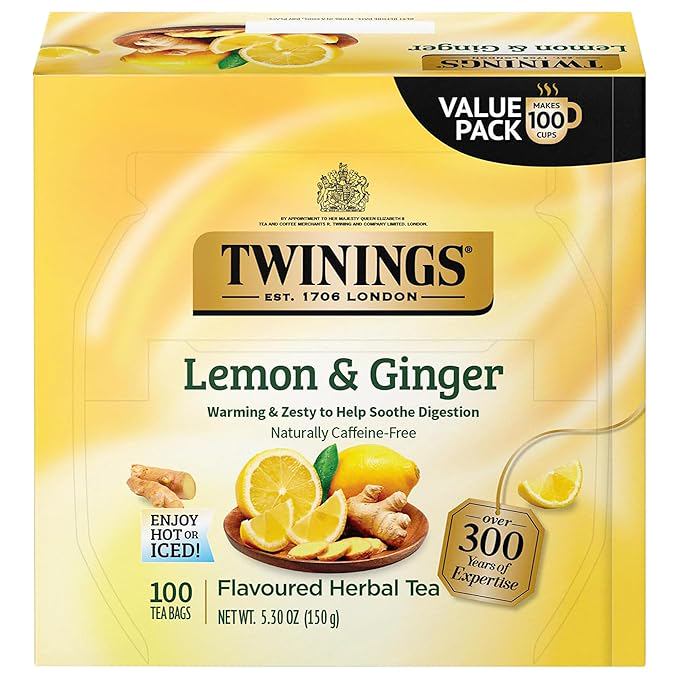
If you love a warm morning cup, switch to a caffeine-free herbal option. Rooibos tea is naturally sweet, rich in antioxidants, and contains no caffeine. Ginger tea can help calm nausea and cramping. Peppermint tea is another excellent choice for digestive ease.
5. Commercial kombucha
Kombucha is praised for probiotics, but many store-bought brands are also lightly carbonated and contain small amounts of caffeine from black or green tea. For some women, the carbonation adds gas and bloating on already touchy period digestion. Additionally, if you have a history of yeast infections or uterine sensitivity, the live cultures in raw kombucha may cause mild irritation for certain individuals. When in doubt, choose a still (non-carbonated) probiotic drink like plain kefir or unsweetened yogurt drinks instead.
What to drink instead
Replacing the five drinks above with calm, supportive alternatives can smooth out your period day considerably. Here are expert-backed swaps:
- Warm water with lemon — hydrates, supports digestion, and provides vitamin C.
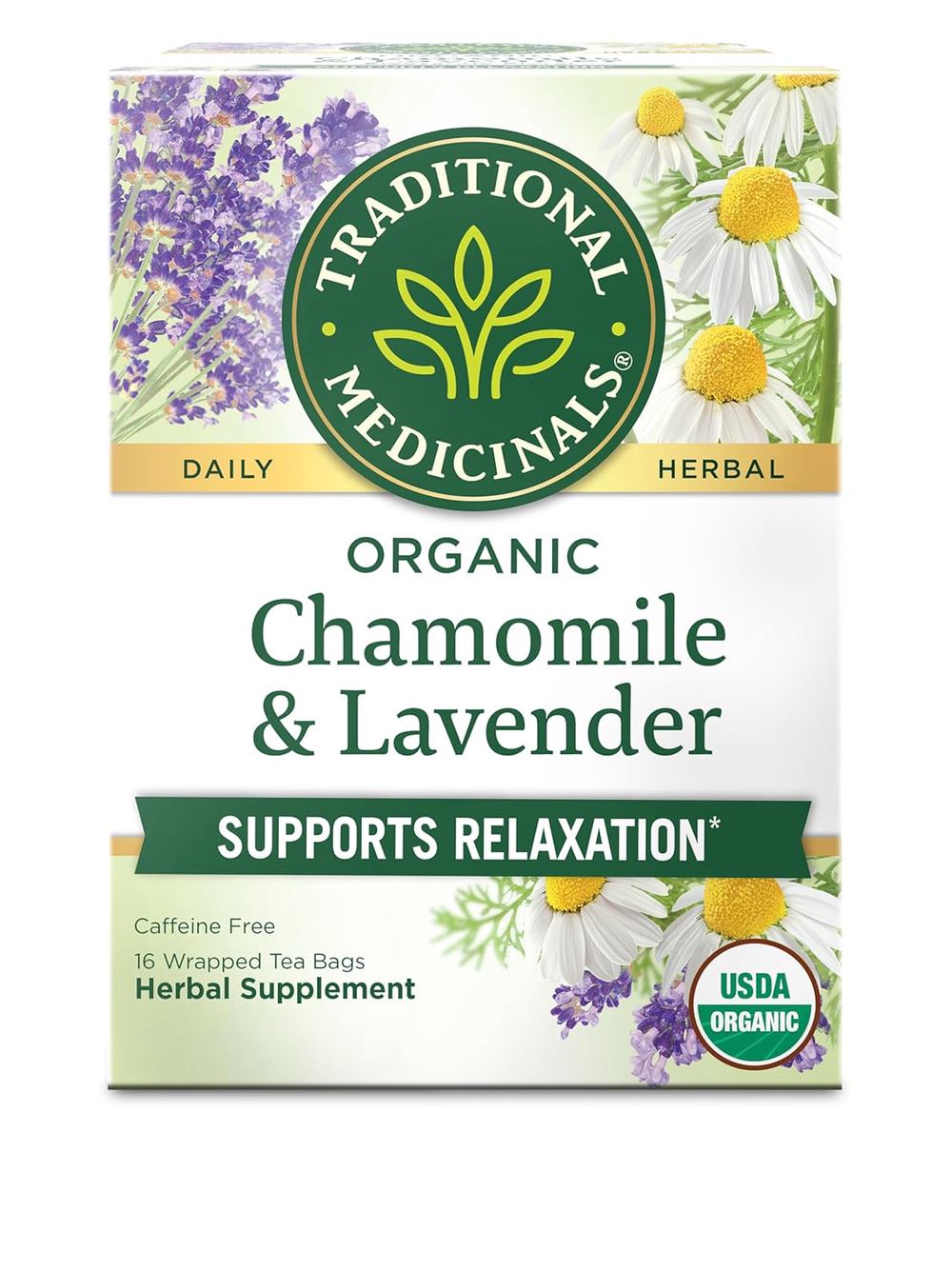
- Herbal teas — ginger, chamomile, peppermint, or rooibos are all caffeine-free and gentle.
- Golden milk (turmeric latte) — turmeric’s curcumin has anti-inflammatory properties that may help cramps.
- Bone broth or warm miso — warm, savory options provide minerals and protein without sugar or caffeine.
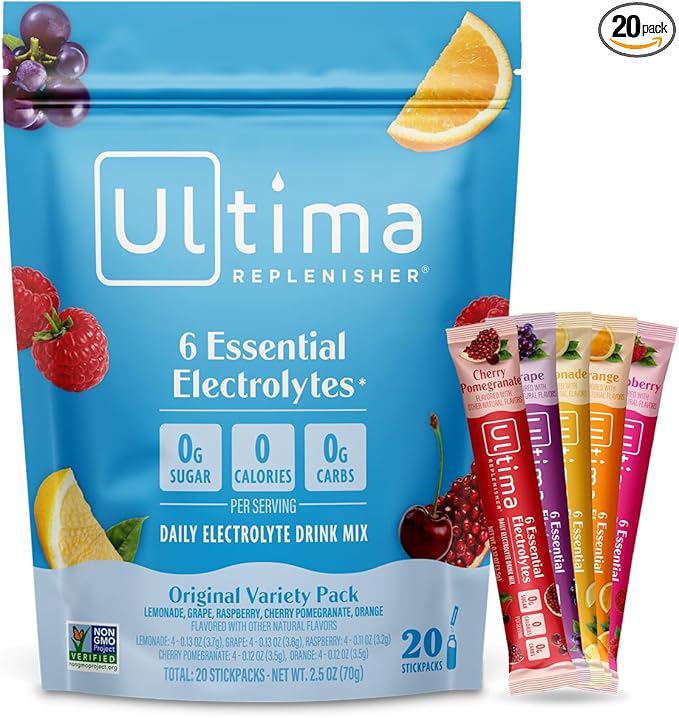
- Plain water with electrolytes — a simple pinch of sea salt and a squeeze of citrus can restore mineral balance.
A small shift in your morning drink can be one of the easiest changes you make for a smoother period day. Your body will thank you by the afternoon.
Listen to your body. If a particular food or drink consistently makes your period day harder, try eliminating it for just one cycle and notice the difference. Small adjustments, repeated month after month, add up to real relief.