That dull ache low in your belly — the one that signals your period is on its way — often arrives with more than just cramps. Bloating, digestive upset, and fatigue are common companions, and many people instinctively reach for something warm or soothing. While no drink will erase period pain entirely, dietitians point to several hydrating options and herbal choices that may help your muscles relax, lower inflammation, and ease the discomfort.
Here are five drinks that registered dietitians and women's health experts often mention when the topic turns to period cramp relief. They work by supporting hydration, reducing muscle tension, or providing natural anti-inflammatory compounds — without overloading your system with sugar or caffeine.
Why hydrating matters during your period
Dehydration can make muscle cramps worse. When your body is low on fluids, your muscles are more prone to tightening up, and that includes the uterine muscles already contracting thanks to those prostaglandin surges. Proper hydration keeps blood volume steady, helps nutrients circulate, and may reduce the severity of cramps. It can also ease the bloating and constipation that sometimes tag along on day one.
Warm water with lemon
It sounds simple, but dietitians say starting your morning with a mug of warm water and fresh lemon can do more than you expect. Warm liquids help relax blood vessels and improve circulation, which may calm cramping. Lemon adds a dose of vitamin C — a nutrient involved in reducing markers of inflammation. If plain water feels dull, this small twist can also help you sip more throughout the day.
Make it a habit: sip warm lemon water slowly. Chugging it may upset your stomach, especially right before or during your period.
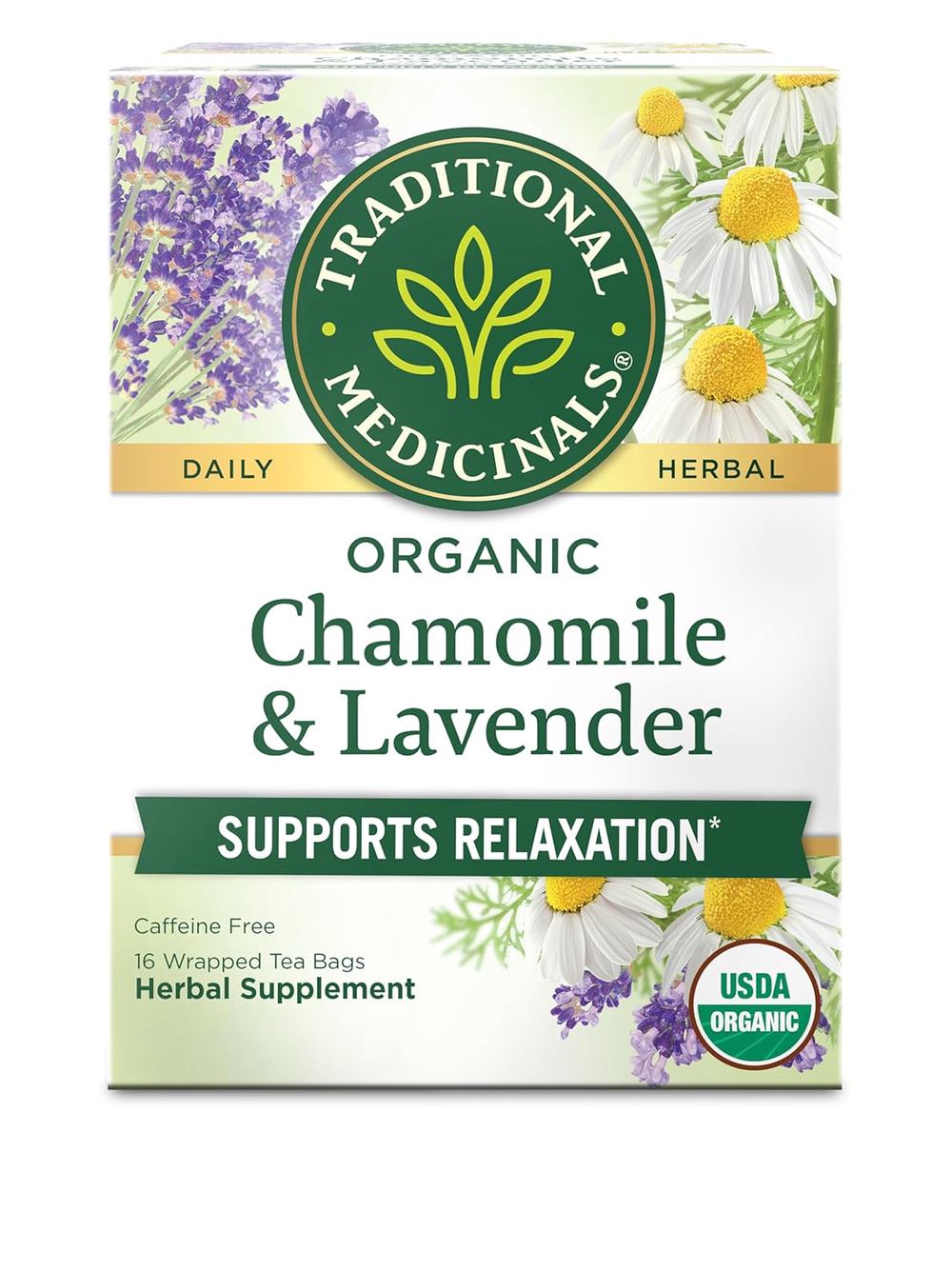
Chamomile tea
Chamomile is one of the most studied herbal teas for menstrual discomfort. It contains compounds called flavonoids and apigenin, which bind to receptors in your brain and muscles to promote relaxation. Several small studies suggest that drinking chamomile tea regularly in the days before your period can reduce cramp intensity and even lessen the need for pain medication. Dietitians appreciate that it is naturally caffeine-free and calming — two useful traits when your body needs rest and not mental jitters.
Ginger tea
Ginger has a long history in traditional medicine for pain and nausea. Research published in the Journal of Alternative and Complementary Medicine found that ginger powder capsules were as effective as ibuprofen for period pain in some women. While a slice of fresh ginger steeped in hot water is gentler than a concentrated supplement, it still delivers anti-inflammatory compounds called gingerols. A cup of ginger tea can also settle an uneasy stomach — helpful if your cramps are accompanied by queasiness or loose stools.
To prepare, peel and slice a 1-inch piece of fresh ginger root, simmer in 2 cups of water for five minutes, then strain and sip. Add a teaspoon of honey if you prefer sweetness.
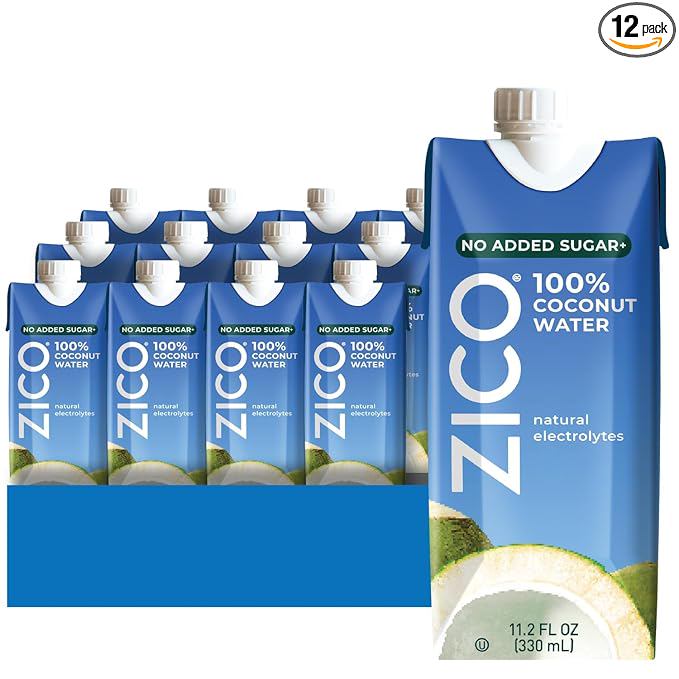
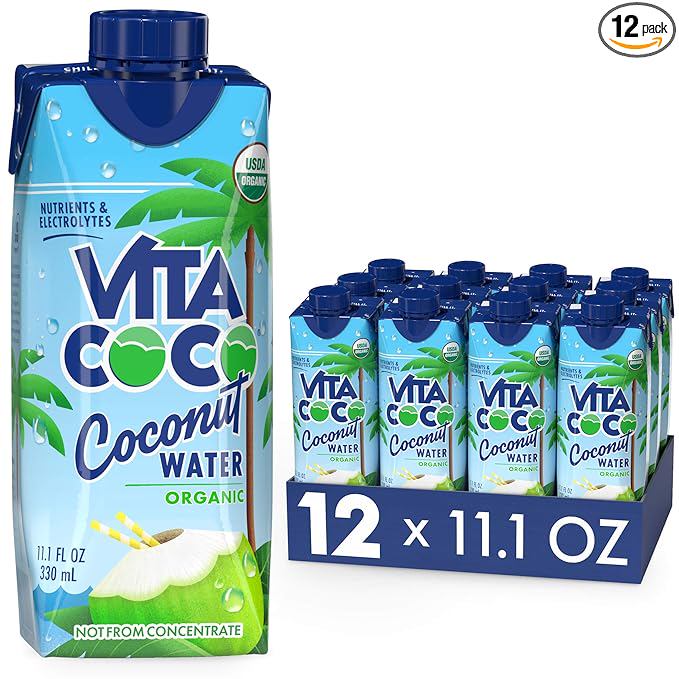
Coconut water
Hydration is a cornerstone of cramp management, and coconut water provides electrolytes such as potassium, magnesium, and sodium. Magnesium, in particular, plays a role in muscle relaxation. Some research suggests that low magnesium levels are linked to more intense menstrual cramps. A glass of plain coconut water instead of sugary sports drinks gives you fluids and electrolytes without excess sugar or artificial ingredients.
One caveat: choose unsweetened coconut water. Many brands add sugar or fruit juice, which can cause blood sugar swings and may worsen mood and energy.
Peppermint tea
Peppermint tea is often recommended for its antispasmodic effects on the digestive tract. Since prostaglandins can cause intestinal cramping as well as uterine cramping, peppermint may help on both fronts. It can reduce bloating, relieve gas, and calm the kind of lower-gut discomfort that often occurs alongside period cramps. It is also extremely palatable — easy to drink even if you have no appetite.
- Brew the right way: Use fresh peppermint leaves or a high-quality tea bag. Steep for at least 5 minutes covered (this traps the volatile oils).
- What to avoid: Peppermint is not recommended for people with gastroesophageal reflux (GERD), as it can relax the esophageal sphincter and worsen heartburn.
What about coffee and energy drinks?
Dietitians generally recommend reducing caffeine during your period. Caffeine is a vasoconstrictor — it can narrow blood vessels — which may intensify cramps. It can also dehydrate you and disrupt sleep. If you crave something warm, opt for the teas above. If you need the ritual of a morning mug, try a half-caff or a caffeine-free herbal coffee substitute.
The big picture: drinks are one piece of the puzzle
No beverage will replace good nutrition, stress management, or medical care when cramps are severe. But staying hydrated with the right liquids — ones that soothe rather than stimulate — is a low-risk, evidence-informed step that many dietitians recommend as part of a broader self-care approach during your cycle.