When estrogen levels begin to decline during menopause, bone density can take a hit. Estrogen plays a protective role in the skeleton, helping to keep the process of bone breakdown and formation in balance. As those levels drop, bone resorption can outpace new bone growth, gradually increasing the risk of osteopenia and osteoporosis. It is a slow shift, but one worth paying attention to early on.
Nutrition is one of the most tangible, everyday tools we have to support skeletal health. While no single food is a cure-all, dietitians consistently point to a handful of nutrient-rich choices that help maintain bone density over the long haul. The foods listed below were chosen because they provide key bone-supportive nutrients—calcium, vitamin D, vitamin K, magnesium, and protein—in forms that are easy for the body to absorb and use.
1. Yogurt (and Other Full-Fat Dairy) — More Than Just Calcium
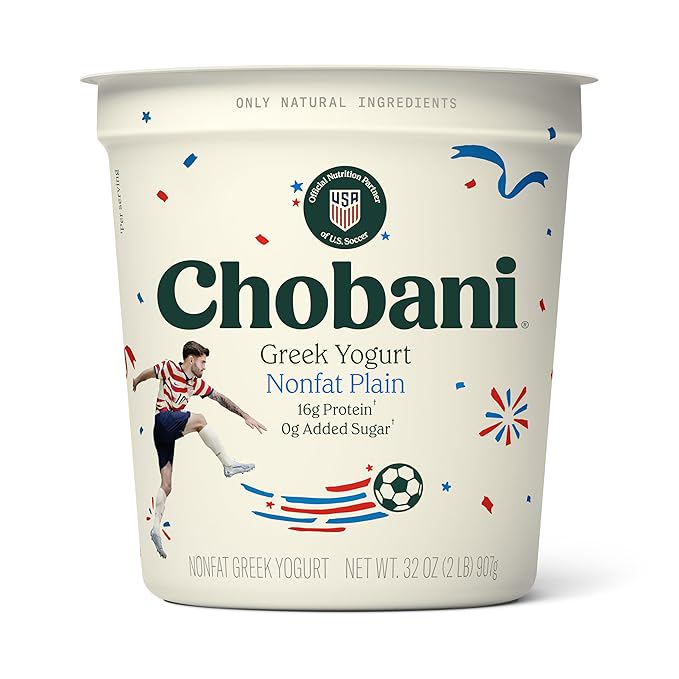
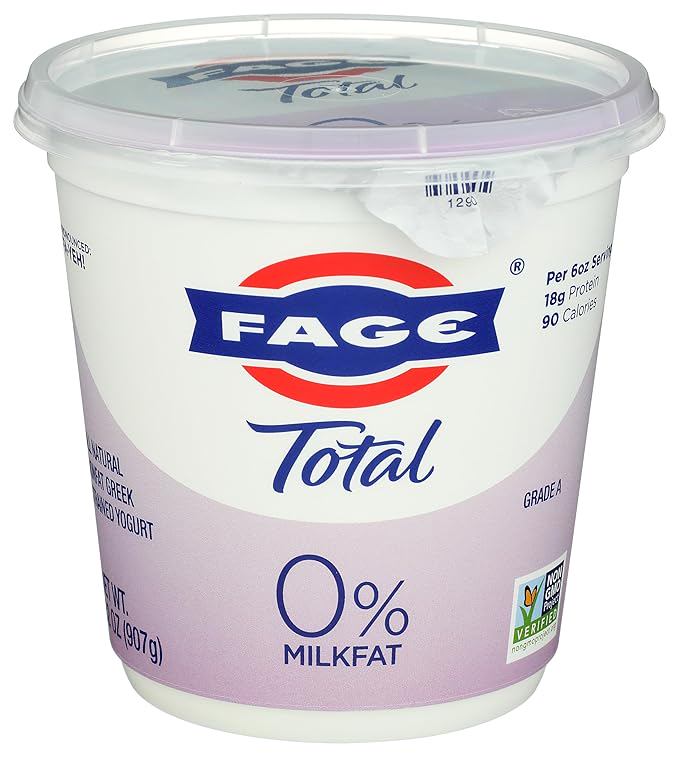
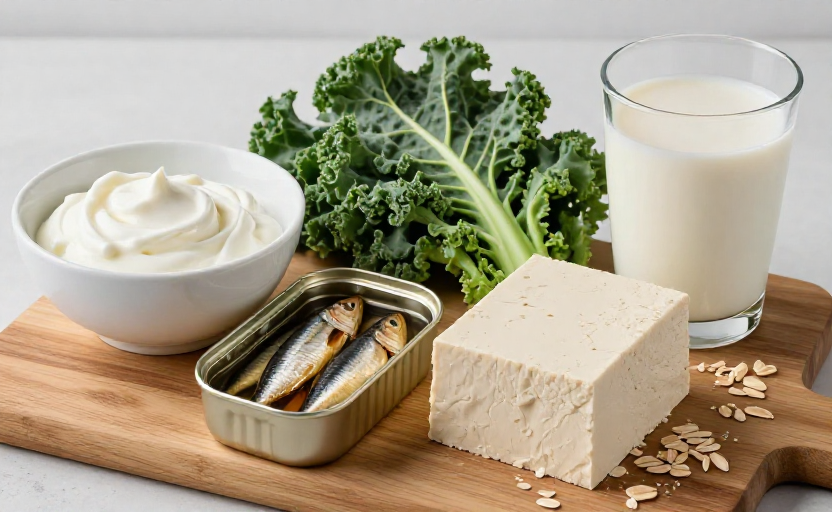
Yogurt is often the first food dietitians mention when discussing bone health, and for good reason. A single serving of plain yogurt supplies a substantial amount of calcium, along with phosphorus, magnesium, and protein—all essential for bone structure. Calcium is the primary mineral in bone, while protein provides the collagen matrix upon which minerals crystallize.
During menopause, some research suggests that full-fat dairy may be slightly more beneficial for maintaining bone density than low-fat versions. This may be because the fat helps enhance absorption of fat-soluble vitamin D, and because whole dairy provides a more complete nutrient profile. Aim for plain, unsweetened yogurt and, if tolerated, Greek varieties offer a higher protein-to-calcium ratio that supports muscle as well as bone.
2. Sardines (or Canned Salmon with Bones) — The Bone-In Advantage
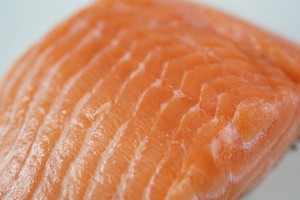
It may not be the sexiest option on the list, but canned fish with soft, edible bones is a powerhouse for bone density. Sardines and canned salmon (look for the label that confirms bones are included) provide highly absorbable calcium and vitamin D, plus omega-3 fatty acids that help reduce overall inflammation. Chronic, low-grade inflammation speeds up bone loss, so keeping it in check is part of the bone-protection picture.
These fish also offer a rare dietary source of vitamin D3, which is critical for intestinal calcium absorption. Many women struggle to maintain adequate vitamin D levels during menopause, and a single tin of sardines can deliver roughly a quarter of the daily recommended intake of vitamin D. They work well crumbled into a salad, mashed onto whole-grain crackers, or stirred into pasta dishes.
3. Dark Leafy Greens — Vitamin K1 and Beyond
Kale, collard greens, turnip greens, Swiss chard, and spinach bring a broad range of bone-friendly compounds to the table. The standout here is vitamin K1, a fat-soluble vitamin that helps activate osteocalcin—a protein that binds calcium to the bone matrix. Without enough vitamin K, calcium may end up depositing in blood vessels or soft tissues rather than in your skeleton where it is needed.
Greens also deliver magnesium, which helps convert vitamin D into its active form. One cup of cooked collard greens provides around 350 mg of calcium (a third of the daily goal for postmenopausal women) and a generous amount of vitamin K. Tip: Pair greens with a drizzle of olive oil or a splash of lemon juice to enhance absorption of both vitamin K and any fat-soluble companions.
4. Tofu (Calcium-Set Varieties) — A Plant-Based Powerhouse
Not all tofu is created equal when it comes to bone health. Only tofu that has been set in calcium sulfate — often labeled as “calcium-set” or “firm/extra-firm” — is rich in bone-supportive minerals. A half-cup serving of calcium-set tofu can provide 300 to 400 mg of calcium, plus significant amounts of protein, iron, and isoflavones. Isoflavones are plant compounds that mimic estrogen mildly, and some studies suggest they may help slow bone loss during menopause when consumed regularly as part of a balanced diet.
Tofu is versatile: it absorbs marinades well, works crumbled into stir-fries, blended into smoothies for a protein boost, or simply pan-seared with a little tamari. For maximum bone benefit, look for the word “calcium sulfate” in the ingredient list.
5. Fortified Plant Milks — When Dairy Isn’t Right for You
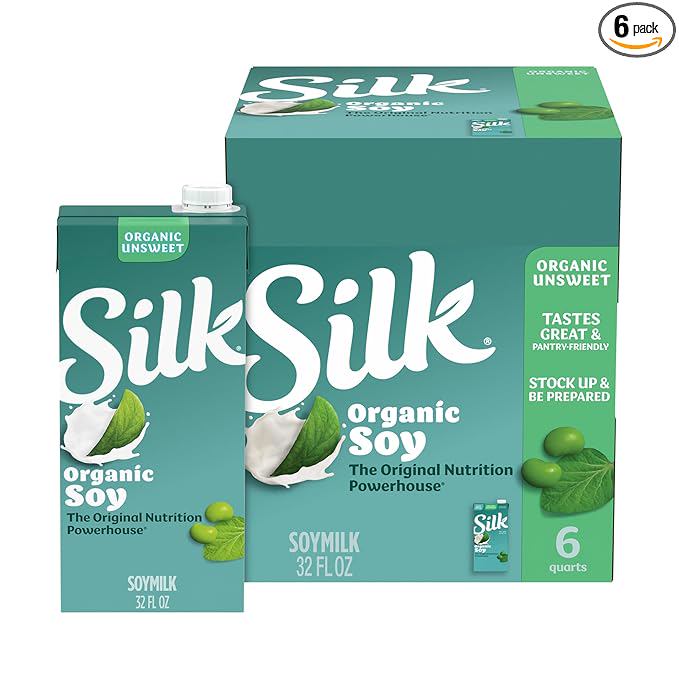
Many women find that dairy becomes less digestible or less desirable as they age. Fortified plant milks — such as oat, soy, or almond milk — can bridge the gap if they are enriched with calcium, vitamin D, and sometimes vitamin B12. Not all brands fortify equally, so checking the nutrition panel is essential. The best options deliver at least 300 mg of calcium and 100 IU of vitamin D per cup — comparable to cow’s milk.
These milks work well as a base for smoothies, in oatmeal or overnight oats, or simply poured over cereal. Just be sure to shake the container before pouring, as the added calcium carbonate can settle at the bottom. Choosing an unsweetened version avoids unnecessary added sugar, which research links to increased bone resorption when consumed in high amounts.
Building bone density happens gradually, over years of consistent habits. These five foods supply the foundation nutrients your skeleton needs to stay strong during menopause. As always, talk with a healthcare provider or a registered dietitian before making major dietary changes or starting new supplements — especially if you have a history of kidney stones, osteoporosis, or digestive conditions that affect nutrient absorption.