Introducing solid foods to your baby is a milestone that comes with equal parts excitement and questions—especially when it comes to allergy prevention. Parents today have more guidance than ever, thanks to updated pediatric guidelines that clarify which foods deserve a cautious approach during early feeding. While the goal is to offer a varied diet, research shows that limiting or delaying certain foods during the first year may help reduce the risk of developing food allergies. Here are five foods that experts suggest handling with extra care during the early feeding window.
Why early feeding strategies matter for allergy prevention
The first 12 months of life represent a critical window for immune system development. Introducing solids too early—before four months—or too late may influence whether a child develops tolerance or allergy. Current guidelines from organizations like the American Academy of Pediatrics and the National Institute of Allergy and Infectious Diseases emphasize early, consistent introduction of allergenic foods for most infants, but they also recommend specific limits on certain foods that are difficult to digest or carry higher allergic potential. The key is to be strategic, not fearful.
Cow's milk
Whole cow’s milk as a beverage is not recommended before 12 months of age, primarily because it lacks the proper balance of nutrients for an infant and may cause gastrointestinal distress. However, cow’s milk protein is often introduced earlier through yogurt and cheese, which are generally safe. The limit here is on giving cow’s milk as a drink too soon, which some parents do when transitioning from breast milk or formula. Studies suggest that early exposure to cow’s milk proteins through infant formula does not increase allergy risk, but feeding cow’s milk as a main drink before the first birthday may lead to iron deficiency and, in some cases, allergic reactions in at-risk babies.
If your family has a history of milk allergy, your pediatrician may recommend a hypoallergenic formula and suggest delaying direct milk consumption until later. For most infants, small quantities of milk-based ingredients in baked goods or yogurt are acceptable around six months, but whole milk as a drink should wait.
Peanuts
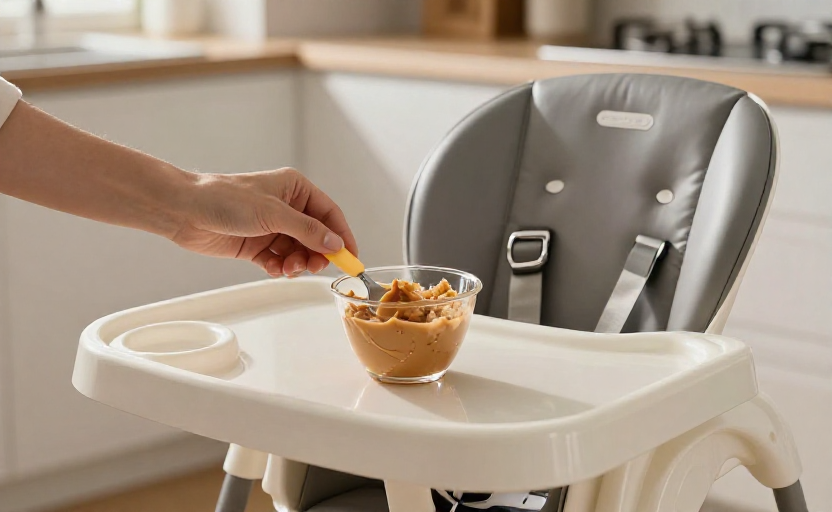
The advice on peanuts has undergone a dramatic shift. For years, parents were told to avoid peanuts entirely during infancy. Now, guidelines recommend introducing peanut-containing foods early—as early as 4 to 6 months for infants with severe eczema or egg allergy, after appropriate risk assessment. However, the “limit” here is about form and timing. Never give whole peanuts or chunky peanut butter to an infant due to choking risk. Instead, use smooth peanut butter thinned with water, breast milk, or formula, or peanut flour mixed into purees. The limit also applies to delaying introduction past 12 months for high-risk infants, which may actually increase the chance of developing a peanut allergy.
The old advice to avoid peanuts during the first year is outdated. Current guidelines urge early, careful introduction—not avoidance—as a key step in preventing peanut allergy.
Eggs
Eggs are among the most common food allergens in children. The good news is that most children outgrow egg allergy by school age. During early feeding, experts suggest limiting eggs to well-cooked forms (hard-boiled, scrambled, baked) and avoiding raw or undercooked egg preparations. The egg white contains the primary allergenic proteins, but cooking changes their structure, making them less likely to trigger a reaction in many infants. Introducing baked egg products like muffins or pancakes around six months can help build tolerance. The limit is really about texture and doneness: no runny yolks, no raw batter tasting, and no meringues or custards made with uncooked whites until the child has tolerated cooked eggs consistently.
Fish and shellfish
Fish and shellfish can be introduced as early as six months, but the limit revolves around type, preparation, and portion size. High-mercury fish like shark, swordfish, king mackerel, and tilefish should be avoided entirely during early childhood. For lower-mercury options such as salmon, light tuna, and cod, offer small, boneless, fully cooked pieces mashed or flaked into soft textures. Shellfish, including shrimp, crab, and lobster, should also be thoroughly cooked and cut into very small pieces or pureed to prevent choking. The other limit is frequency: while including fish once or twice a week is fine, offering it daily may expose an infant to more mercury or heavy metals than is advisable.
If either parent has a seafood allergy, consult your pediatrician before introducing fish or shellfish. In many cases, early introduction is still recommended, but a cautious first taste at home rather than at a restaurant is wise.
Wheat and gluten-containing grains
Wheat is not one of the top allergens that pediatricians recommend delaying, but it does require a thoughtful limit during early feeding. Wheat contains gluten, a protein that some infants find harder to digest. Introducing wheat too early—before four months—has been associated with a slightly higher risk of developing celiac disease in genetically predisposed children. The current consensus is to introduce wheat-containing foods, like infant cereal or soft bread, between 4 and 6 months, but to start with single-grain fortified cereals (like rice or oat) first, then gradually add wheat. Limit the amount of wheat-based snacks or teething biscuits in the early months, as they can displace more nutrient-dense foods and may contribute to constipation.
A note on when and how to introduce allergenic foods
The overall approach across all guidelines is consistent: introduce one new food at a time, wait a few days to watch for any reaction, and start with small amounts—about a teaspoon or two. If you notice hives, lip swelling, vomiting, or difficulty breathing, stop the food immediately and contact your pediatrician. For severe reactions like trouble breathing, seek emergency care. Most parents can safely introduce these foods at home, but if your baby has severe eczema, an existing food allergy, or a strong family history of allergies, ask your doctor about doing the first taste in a clinic setting.
What the research continues to show
The LEAP and EAT studies have reshaped how pediatricians think about early allergen exposure. These landmark trials demonstrated that early, consistent introduction of foods like peanuts and eggs significantly reduces the risk of developing allergies in high-risk infants. The takeaway for parents is not avoidance but controlled, age-appropriate inclusion. The five foods outlined here are safe for most babies when offered in the right form, at the right time, and with common-sense limits guided by updated pediatric recommendations.