
When those first twinges of early labor start, your body is about to undertake an enormous physical task. It’s natural to feel a mix of excitement and nervous energy, but one of the most practical things you can do is fuel yourself wisely. Many dietitians suggest that eating small, strategic meals during early labor can help sustain your energy, keep nausea at bay, and support your body’s natural rhythms.
Here are five dietitian-recommended foods to consider when early labor signs begin. Remember, every labor is unique, so listen to your body and eat what feels right for you at the moment.
1. Dates: Nature’s Labor Prep
Dates have been studied for their potential role in supporting cervical ripening and reducing the need for medical induction. While the evidence is promising, think of dates as a gentle, nutrient-dense fuel. They provide quick-release natural sugars for energy, plus fiber to keep digestion steady. Early labor is a great time to eat a few dates whole, chopped into oatmeal, or blended into a smoothie. They’re easy on the stomach and give you a slow, sustained energy lift.
2. Smoothies with Electrolytes
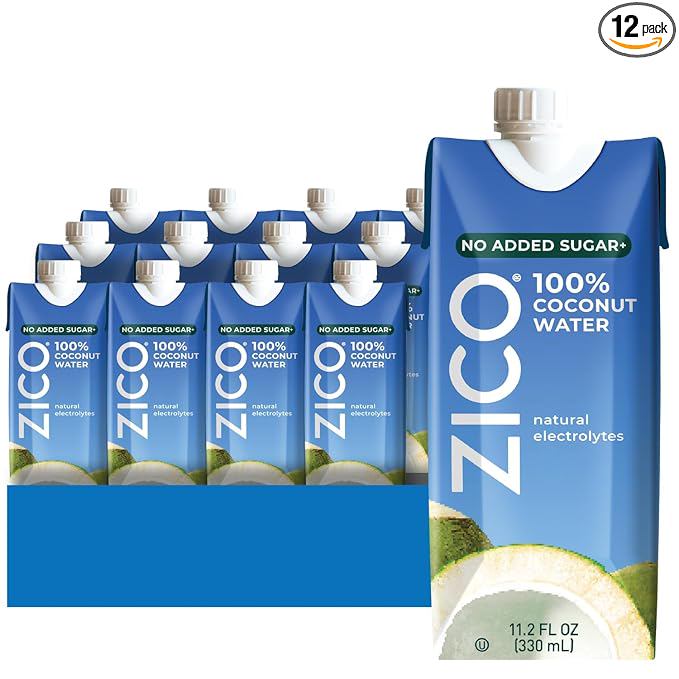
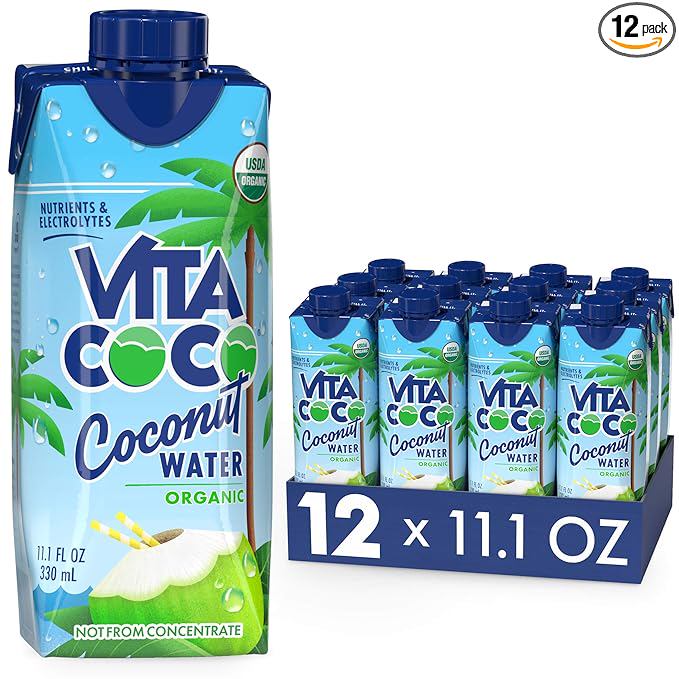
Hydration becomes even more critical once contractions begin. A well-made smoothie can deliver fluids, carbohydrates, and electrolytes all at once. Dietitians often recommend blending a banana (for potassium), a handful of spinach (for magnesium), a scoop of plain yogurt or a dairy-free alternative (for calcium and protein), and coconut water or a pinch of salt for sodium. This combination mimics a natural electrolyte drink without artificial additives. Sip it slowly between contractions—it’s much easier to tolerate than a heavy meal.
3. Oatmeal with a Little Fat
Warm, simple oatmeal is a classic choice. Complex carbohydrates in oats provide a steady release of glucose, which your working muscles will appreciate. Adding a spoonful of nut butter or a splash of full-fat milk adds healthy fats that slow digestion even further, keeping blood sugar stable. Oatmeal is also low in acidity, so it’s generally gentle on a queasy stomach. If you feel up to it, top it with sliced banana or a few berries for extra antioxidants.
4. Bone Broth or Miso Soup
Labor is physically demanding, and your body loses fluids and electrolytes through sweat and heavy breathing. A warm cup of bone broth or miso soup provides hydration, sodium, and minerals like calcium and magnesium. The warmth can be soothing, and the liquid form is easy to digest even if your appetite is low. Miso soup also offers a small amount of protein from the soy base, while bone broth contains collagen and gelatin—both gentle on the gut. Keep a thermos nearby and take small sips as you move through early labor.
5. Crackers with Peanut Butter and Honey
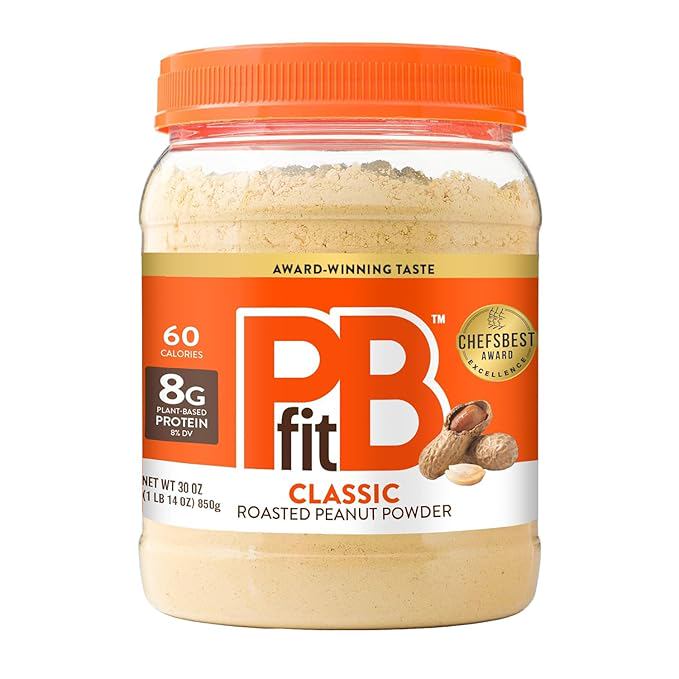
When you need something quick that won’t upset your stomach, simple snacks are your best friend. Whole-grain crackers offer carbohydrates, peanut butter contributes protein and healthy fats, and honey adds a touch of fast-acting sugar. This combination is often recommended by dietitians because it’s portable, doesn’t require refrigeration, and provides a balanced mix of nutrients. Keep a small bag in your hospital bag or on your nightstand at home. The salt from the crackers can also help replace sodium lost through sweat.
Quick tip: During early labor, avoid heavy, greasy, or very spicy foods, as they can cause heartburn or nausea when you’re already feeling the intensity of contractions.
Above all, trust your instincts. Your body will tell you what it needs. Some people want nothing but ice chips or popsicles once active labor takes hold—and that’s okay. The goal of eating during early labor is to bank energy and hydration for the work ahead. These five foods are simply dietitian-approved tools to help you feel prepared, nourished, and as strong as you can be for the journey.